
5 Signs You May Need to Remove Your Wisdom Teeth

Does Sleep Apnea Affect Dental Health?
February 22, 2024
Adult Tooth Loss: How it Affects Your Smile
March 8, 2024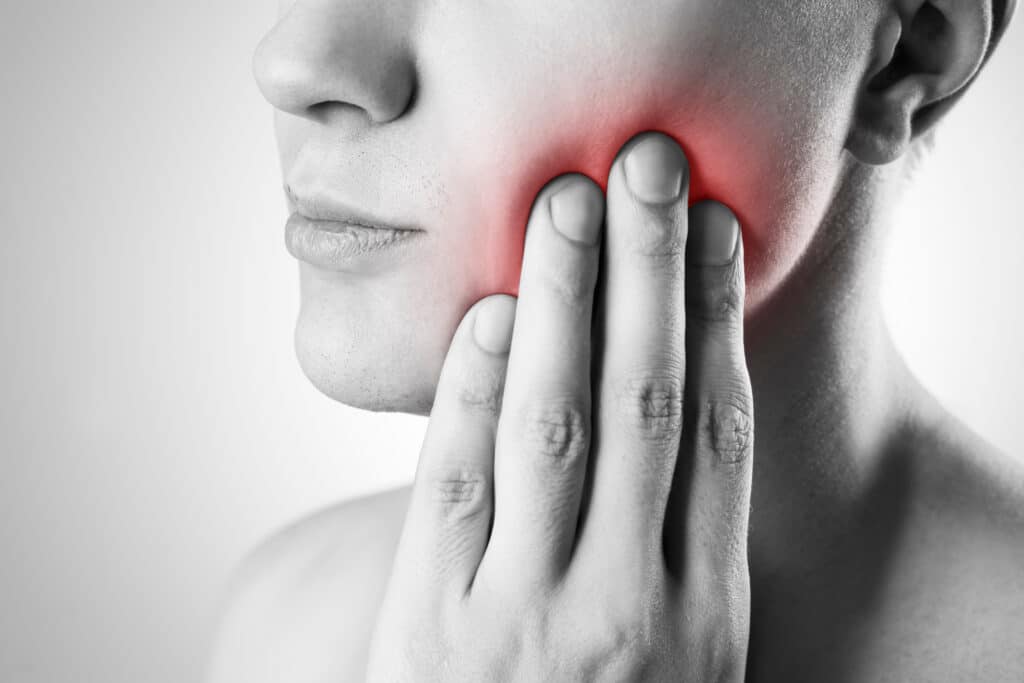
Wisdom teeth are late-blooming molars that are often the subject of inevitable extraction. However, the question that lingers is when is the right time to have them removed? Wisdom teeth can be a source of many oral health issues, from overcrowding to infections and cysts, prompting the need for their extraction. In this post, we’ll explore five common signs that often indicate it’s time to say goodbye to them. We’ll also discuss the process and what to expect from the extraction procedure.
The Role of Wisdom Teeth
Our jaws have adapted over time, and modern human diets and dental care have influenced the role and presence of wisdom teeth. Historically in our ancestors, these additional molars would replace teeth lost from excessive wear and tear by early adulthood, providing additional chewing ability. However, as diets evolved and dental care improved, there typically isn’t enough space left in the mouth to accommodate the growth of these extra teeth.
When Should Wisdom Teeth be Removed?
The question of when to remove wisdom teeth is as individual as the mouth that holds them. There isn’t a one-size-fits-all answer, but several factors and signs can point to the need for extraction. It is essential to consult with a dental professional, who can determine through examination and X-rays whether or not removal is necessary.
5 Clear Signs of Wisdom Teeth Woes
Persistent Pain or Discomfort
One of the most noticeable signs of potential wisdom teeth problems is persistent pain in the back of the mouth. This discomfort can be continuous or intermittent, ranging from a dull ache to a sharp, localized pain. The sensation may radiate to the jaw, ear, or temple, and it often signifies the movement or growth pressure of the incoming wisdom teeth.
Red or Swollen Gums
If you notice that the gums around the back of your mouth where your wisdom teeth are emerging appear red, swollen, or tender, it could be a sign of gingivitis or pericoronitis. The latter refers to the inflammation of the gum tissue around the crown of a partially erupted tooth and can be quite painful. These symptoms are often indicators that they may not be able to surface properly and may be impacted.
Difficulty Opening the Mouth
Impacted wisdom teeth that cannot fully erupt can cause difficulty or pain when opening the mouth or chewing. This can be due to their positioning against the second molars or jawbone. In severe cases, the individual may experience locking of the jaw, a condition known as temporomandibular joint disorder (TMJ).
Sinus Pressure or Infections
Wisdom teeth on the upper jaw can sometimes cause sinus pain, pressure, or congestion, leading to sinus infections. This is because the roots of the teeth are close to the sinus cavities, and their growth or infection can cause irritation or inflammation in the sinuses. Referred pain in the mid-face or cheek areas is also common and may be misidentified as a sinus problem.
Cysts or Tumors
In rare instances, wisdom teeth can contribute to the development of cysts or tumors in the jawbone. These fluid-filled sacs can lead to bone destruction and displacement of teeth. Detection of such abnormalities typically occurs when your dentist orders X-rays to determine the position of your wisdom teeth.
The Extraction Process Demystified
Extraction is a routine procedure, often performed by a dentist or oral surgeon. Though there is often apprehension about the surgery, advancements in dental technology and anesthesia have made the process safer and less invasive than in the past.
Evaluating the Need for Extraction
An initial assessment will be conducted through an oral examination and X-rays to evaluate the position of the wisdom teeth and the potential for future complications. The decision to extract will depend on the individual’s dental health and the likelihood of future problems.
Types of Impactions
Impacted wisdom teeth can be classified by their position relative to the gum line and the neighboring teeth. Soft tissue impactions occur when the tooth has partially emerged through the gum, while hard tissue impactions refer to teeth that are entirely encased in the jawbone.
Preparing for the Procedure
Before the extraction, you will receive instructions on how to prepare, including fasting for a certain period and arranging for someone to accompany you to and from the appointment.
The Day of the Extraction
The procedure is typically performed under local anesthesia, with the option for sedation if the patient is particularly anxious. The surgeon will then make an incision in the gum to access the tooth and may need to section the tooth into smaller pieces to facilitate removal. Stitches may be necessary to close the incision, depending on the degree of surgery.
Recovery and Aftercare
Recovery times vary, but most individuals can return to normal activities within a few days. Post-operative instructions will include guidance on pain management, diet, oral hygiene, and the use of ice packs to reduce swelling. A follow-up visit may be required to remove stitches and ensure proper healing.
Make an Appointment with Premier Dentistry of Eagle
If you are experiencing any of the signs mentioned above, it may be time to consider removing your wisdom teeth. At Premier Dentistry of Eagle, our team of experienced professionals can assess your situation and determine if extraction is necessary. We strive to provide a comfortable and stress-free experience for all procedures, including wisdom teeth extractions. Make an appointment with us today to maintain optimal dental health!