Full Dental Restoration: How to Get Your Smile Back
Same Day Dental Crowns: Get a Permanent Crown in Just One Visit
March 16, 2022
Invisalign for Adults: Everything You Need to Know
March 30, 2022
If you have lost teeth, whether due to injury or tooth decay, full dental restoration may be the best option for you. Full dental restoration is a process that replaces missing teeth with artificial teeth. This can restore your smile and improve your oral health. In this blog post, we will discuss the full dental restoration process in detail.
What is a Full Dental Restoration?
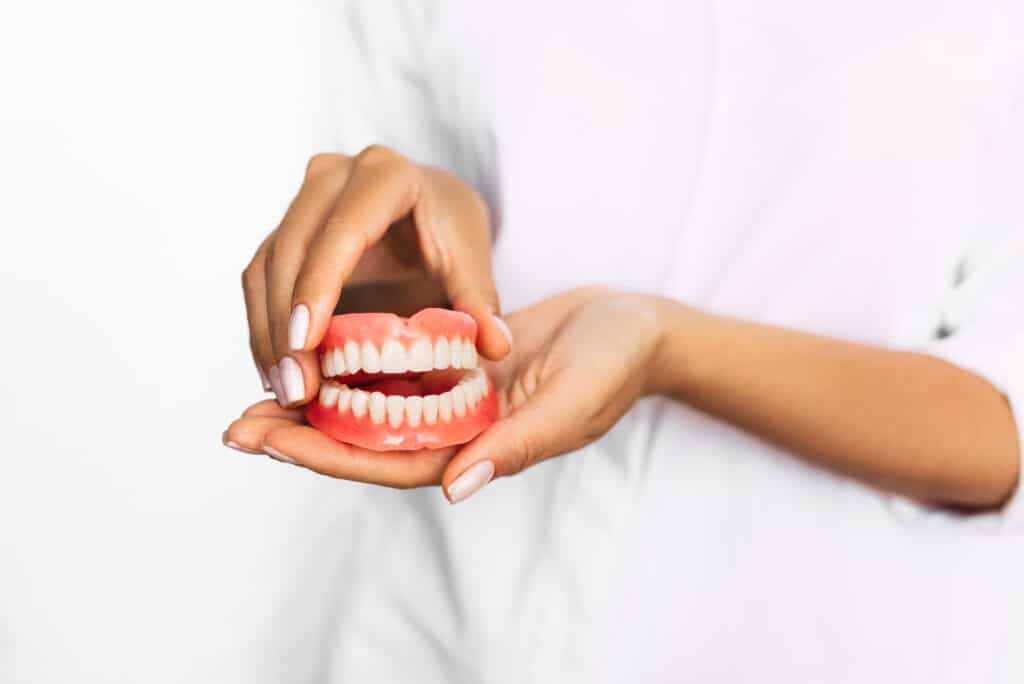
A full dental restoration is a treatment that replaces all of the natural teeth in your mouth with artificial ones. This type of restoration is necessary when you have lost all of your teeth due to injury, disease, or decay.
Full dental restorations can be made from a variety of materials, including plastic, metal, or porcelain. They are custom-made to fit your mouth and can be attached to your gums with adhesive or clasps.
Once your full dental restoration is in place, you will be able to eat and speak normally. You will also have a smile that looks and feels natural.
Who Needs This Service?
When your smile is seriously decayed or damaged, you may feel that there is no hope for improving your dental health. Our dentist never wants you to feel that your smile is beyond hope! We are pleased to offer full mouth restoration for our patients whose smiles have been severely damaged. Full mouth restoration, which is also called full mouth reconstruction or rehabilitation, involves restoring or replacing many or all of the teeth in the mouth. Dr. Shane Porter may recommend full mouth restoration if your smile is affected by:
Tooth decay
Decay is the most common reason that people seek out full mouth restoration. When decay isn’t treated, it can cause the teeth to become structurally unsound. In some cases, the decay may be so severe that the teeth need to be extracted.
Injury
An injury to the mouth can damage the teeth, gums, or jaws. A full dental restoration can help to repair the damage and restore your smile.
Periodontal (gum) disease
Gum disease is an infection of the gums that can damage the teeth and jawbone. If left untreated, gum disease can lead to tooth loss. A full dental restoration can help to replace the teeth that have been lost due to periodontal disease.
The loss of one or more teeth
Tooth loss can occur for a variety of reasons, including decay, injury, and gum disease. When one or more teeth are gone, it can affect how you eat and speak. It can also make your smile look less attractive. A full dental restoration can help to replace the missing teeth and restore your smile.
Cracked or fractured teeth
When a tooth cracks or fractures, it can be very painful. A full dental restoration can help to repair the damage and restore your tooth to its original strength.
Infected teeth
An infection in the teeth can be very dangerous and can lead to tooth loss. A full dental restoration can help to replace the infected teeth and restore your smile.
Misshapen teeth
Teeth that are misshapen can affect your smile and your confidence. A full dental restoration can help to reshape the teeth and improve your smile.
How Does the Procedure Work?
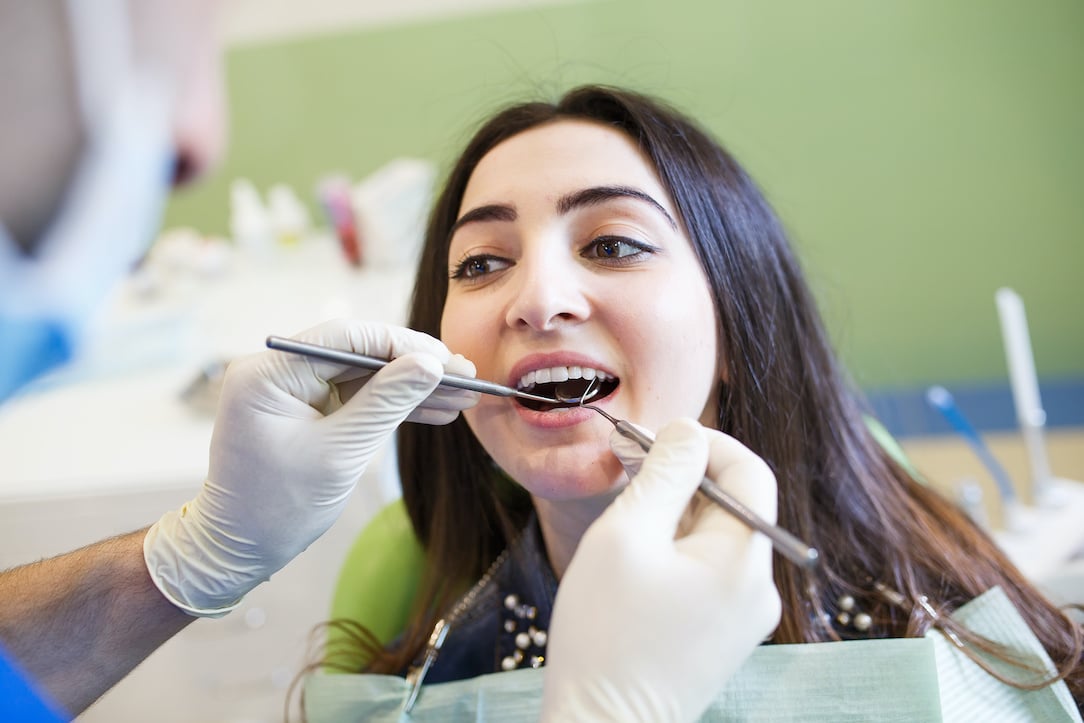
The first step in the full mouth restoration process is to schedule a consultation with Dr. Shane Porter. During the consultation, Dr. Porter will examine your teeth and jaws and take x-rays of your mouth. He will then discuss your treatment options with you and help you to choose the best treatment plan for you.
The next step is to prepare your teeth for restoration. This may involve cleaning the teeth and removing any decay or infection. The dentist may also need to reshape or file down the teeth to make them easier to restore.
Once your teeth are ready, the next step is to choose the type of restoration that you would like. Dr. Porter offers a variety of different types of full dental restorations.
Dental Restoration Types
If you have lost all of your teeth and need full dental restoration, our dentist will work with you to create a treatment plan that meets your needs. The restoration process may involve one or more of the following services:
Dental bridges
Bridges are prosthetic teeth that go on dental crowns on adjacent teeth. They replace missing teeth and can be a variety of materials, including metal, plastic, or porcelain.
Dental implants
Implants are artificial tooth roots that surgically go in the jawbone. They replace missing teeth.
Dental crowns
Crowns are artificial teeth that go over the top of natural teeth. They restore the size, shape, and appearance of damaged teeth.
Dental veneers
Veneers are thin shells of porcelain that go on the front of the teeth. They can improve the appearance of stained, damaged, or crooked teeth.
Restore Your Smile with Premier Dentistry of Eagle
If you are looking for a full mouth restoration in Eagle, Idaho, we invite you to contact our office today and schedule a consultation with our experienced dentist, Dr. Shane Porter. We will work with you to create a treatment plan that meets your needs and budget. We look forward to helping you restore your smile!