Myths and Facts About Fluoride

How Long Does It Take to Straighten Teeth With Invisalign?
April 28, 2022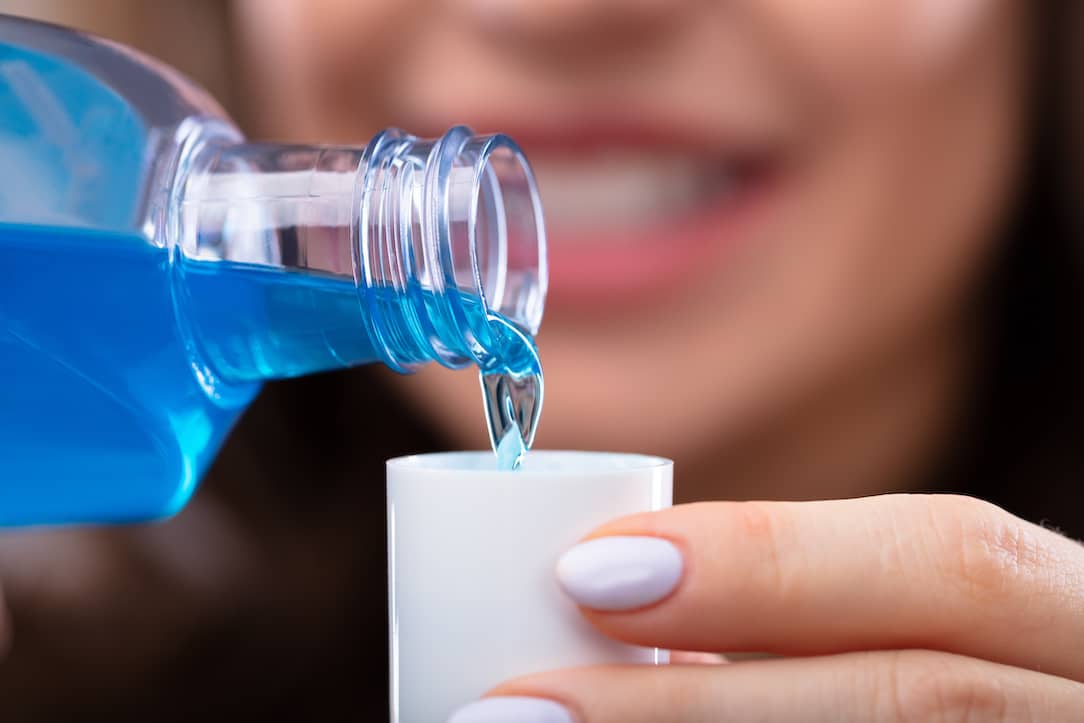
Should I Be Using Mouthwash?
May 11, 2022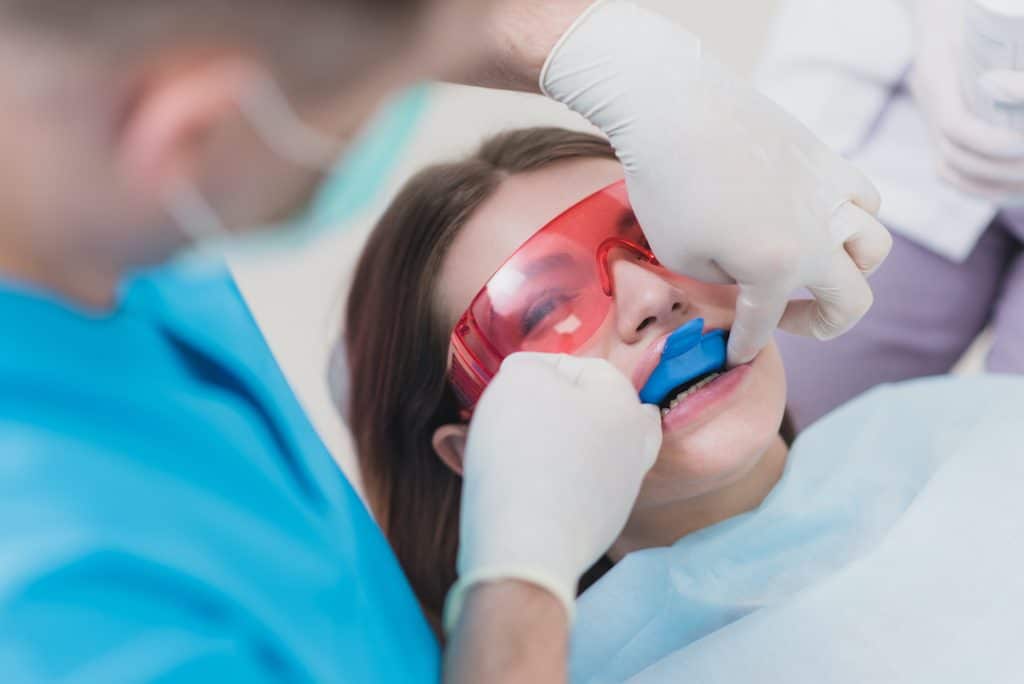
Fluoride is found naturally in water, soil, and minerals. It can also be added to water supplies and toothpaste. Fluoride is also used in some dental treatments to help prevent tooth decay by making teeth more resistant to plaque and acid attacks. However, there are some myths about fluoride that need to be debunked! In this blog post, we will discuss the facts about fluoride and dispel some myths that you may have heard. We will also provide information about how fluoride can help improve your oral health!
What is Fluoride?
Fluoride is a mineral that occurs naturally and is released from rocks into the soil, water, and air. The CDC explains that it works by stopping or even reversing the tooth decay process—it keeps tooth enamel strong and solid. Tooth decay is caused by certain bacteria in the mouth. When a person eats sugar and other refined carbohydrates, these bacteria produce acid that removes minerals from the surface of the tooth. Fluoride helps to remineralize tooth surfaces and prevents cavities from forming.
Understanding How Fluoride Helps Teeth
Fluoride works hand-in-hand with brushing and flossing to help prevent cavities. When it is present in saliva, it helps to repair damaged teeth and can even help prevent new decay from occurring. Further, it also makes teeth more resistant to acid attacks that come from bacteria in the mouth.
Myths About Fluoride
There are many misconceptions about fluoride that have been spread over the years. In this article, we’re taking a look at a few common myths and the negative effects that it may have on your health.
Myth #1: It is Toxic to Humans
One myth is that excessive levels of fluoride can be toxic to people, which is simply not true! It does not accumulate in the body over time and there is no such thing as “too much” when it comes to getting fluoride in your body.
Myth #2: It Can Be Harmful to Children
Another common myth is that fluoride may be harmful for children, especially when consumed in tap water. The reality is that the benefits of it are so significant for preventing tooth decay and promoting oral health in children, that most developed countries have added it to their water supplies as a public health measure.
Myth #3: It is Linked to Cancer
There are also rumors that it may be linked to certain types of cancer, but this has been debunked by multiple scientific studies. In fact, the American Cancer Society states that that there is no strong evidence of a link between water fluoridation and cancer.
Myth #4: It is Unnecessary
Finally, some people believe that there is no need to get fluoride in your diet since it can be found naturally in water and foods. However, the amount of it that you may absorb from these sources may not be enough to provide the benefits necessary for strong dental health. Talk to your dentist about fluoridated toothpaste, mouthwash, and other products that can help improve your oral health!
The Facts
Now that we have debunked some of the myths about fluoride, let’s take a look at the facts. Fluoride is:
- A nutrient that helps to remineralize tooth surfaces and prevent cavities from forming.
- Found naturally in water, soil, and minerals. It can also be added to water supplies and toothpaste.
- Also used in some dental treatments to help prevent tooth decay by making teeth more resistant to plaque and acid attacks.
- Beneficial for children and adults in preventing tooth decay and promoting oral health.
Fluoride is an important part of maintaining good oral health. Be sure to dispel any myths that you may have heard about this and talk to Dr. Shane S. Porter at Premier Dentistry of Eagle about the best way to incorporate it into your oral care routine.
Make an Appointment with Premier Dentistry of Eagle Today
We hope this article has helped to clear up some of the misconceptions that you may have heard about fluoride. Remember, it is a safe and effective way to help prevent cavities and promote oral health. If you have any questions or would like to schedule an appointment, contact Premier Dentistry of Eagle today.