
The Consequences of Not Replacing Missing Teeth

Root Canal Awareness Week: Understanding Why They Are So Important
May 11, 2023
Is it Time to Schedule an Orthodontic Consultation for Your Child?
May 25, 2023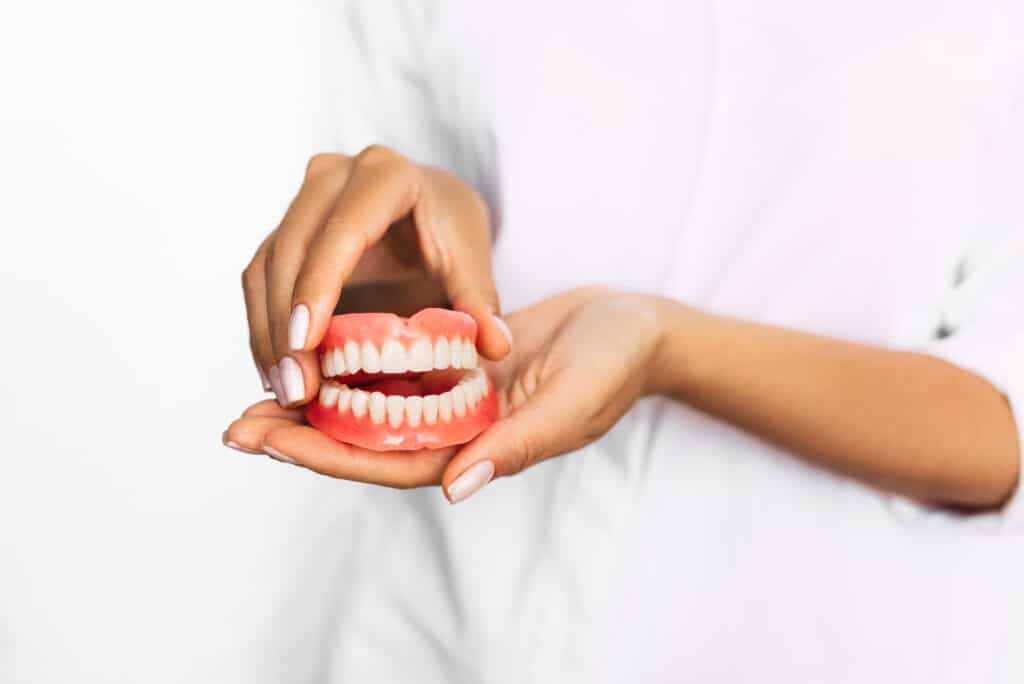
Missing teeth can have a far-reaching impact on your health, your daily life and even your overall self-confidence. From difficulty in chewing food to feeling embarrassed when speaking or smiling, the consequences of not replacing missing teeth can be significant. No matter what has caused you to lose a tooth or multiple teeth, it’s important to understand that taking steps towards restoring your smile is worth the effort.
Adults and Missing Teeth
Tooth loss in adults can have a variety of causes, including:
- Gum disease—Also known as periodontal disease, gum disease is the number one cause of tooth loss in adults. It is a serious infection that affects the soft tissue and bone supporting your teeth. Without treatment, gum disease can destroy the supporting bone and cause tooth loss.
- Cavities—Cavities are tiny holes in the hard surface of your teeth. Bacteria and poor dental cleaning can cause cavities, and if left untreated, they can lead to tooth loss.
- Teeth grinding—Known in dentistry as bruxism, teeth grinding can do more than flatten, loosen and fracture teeth. It can also cause them to fall out.
- Injury or trauma—Over 5 million teeth are knocked out every year between children and adults. But if you follow the right steps to save a knocked out tooth, the tooth can be saved and replanted successfully.
The Consequences of Not Replacing Missing Teeth
When you lose a tooth, it’s natural to feel embarrassed or self-conscious about your smile. But the consequences go beyond aesthetics—they can have an impact on your overall health and well-being.
- Poor chewing ability—Without a full set of teeth, you may find it difficult to chew certain types of food. This can lead to dietary deficiencies, as well as discomfort when eating.
- Speech impediments—Missing teeth can also interfere with your ability to speak clearly. This can make it difficult for others to understand you, or may cause you to feel embarrassed while talking.
- Shifting teeth—If a missing tooth is not replaced in time, the surrounding teeth may move out of place and damage your bite. This can cause difficulty in proper chewing and functioning of the teeth, as well as jaw joint problems.
- Bone loss—The jawbone needs to be stimulated by the roots of teeth for it to stay healthy. When a tooth is missing, the bone starts to deteriorate, which can make it difficult to place a dental implant.
- Additional tooth loss—Failure to replace missing teeth can lead to additional oral health problems, such as decay and gum disease, which can cause even more tooth loss.
The good news is that modern dentistry offers many options for restoring your smile after losing a tooth or multiple teeth.
Replacing Missing Teeth: Your Options
From dentures to dental implants, there are several options when it comes to replacing missing teeth. Depending on your unique situation and preferences, your dentist may recommend one of the following treatments:
Partial Dentures
The best candidates for partial dentures are people who are missing multiple teeth on one arch. The prosthesis is made of acrylic and metal, and it clips onto adjacent teeth to stay in place.
Partial dentures have a relatively short lifespan (typically between 5 to 7 years) and may need to be replaced or adjusted as the surrounding teeth shift over time.
Full Dentures
Full dentures are for people who are missing all of their teeth on one or both arches. Just like partial dentures, these prosthetics are made of acrylic and metal, but they rest directly on the gums rather than relying on neighboring teeth for support. Full dentures also have a shorter lifespan than other tooth replacements and may need to be adjusted or replaced over time.
Dental Bridges
A dental bridge is a permanent solution for replacing missing teeth. It consists of artificial teeth that are held in place by crowns placed on adjacent teeth or implants. A bridge can replace one or multiple missing teeth, and it provides a more natural-looking result than partial dentures.
Dental Implants
Dental implants are the only treatment that replaces both the root and the crown of a missing tooth. They consist of titanium posts that are placed in your jawbone to act as artificial roots, and they can be used to support individual crowns, bridges or dentures. Implants offer the closest feel to natural teeth and have a much longer lifespan than other treatments.
Whichever treatment you choose, it’s important to replace your missing teeth in a timely manner. Doing so can help restore your smile and prevent additional oral health problems down the line. Talk to your dentist about which option is best for you and how soon you should get started with treatment.
Make an Appointment with Premier Dentistry of Eagle
At Premier Dentistry of Eagle, our experienced team provides comprehensive dental care for patients of all ages. We specialize in tooth replacement treatments such as dentures, bridges and implants to help restore your smile after losing teeth. To learn more about your options or to schedule an appointment, contact us today!