Who Needs Dental Crowns at Premier Dentistry of Eagle

Overcoming Dental Anxiety: Your Path to Comfortable Care with Premier Dentistry of Eagle
March 15, 2024
Maintaining Good Oral Hygiene: Tips from a Dentist
March 29, 2024
To flash a signature smile, you need more than just a row of pearly whites. Sometimes, you need a little royal treatment for your teeth, and that’s where dental crowns come in. If you’ve heard the term “dental crown” and wondered what it’s all about, or if you’ve been contemplating whether you’re a candidate for this regal dental procedure, this blog post is your guide.
Deciphering Dental Crowns: A Closer Look at The Basics
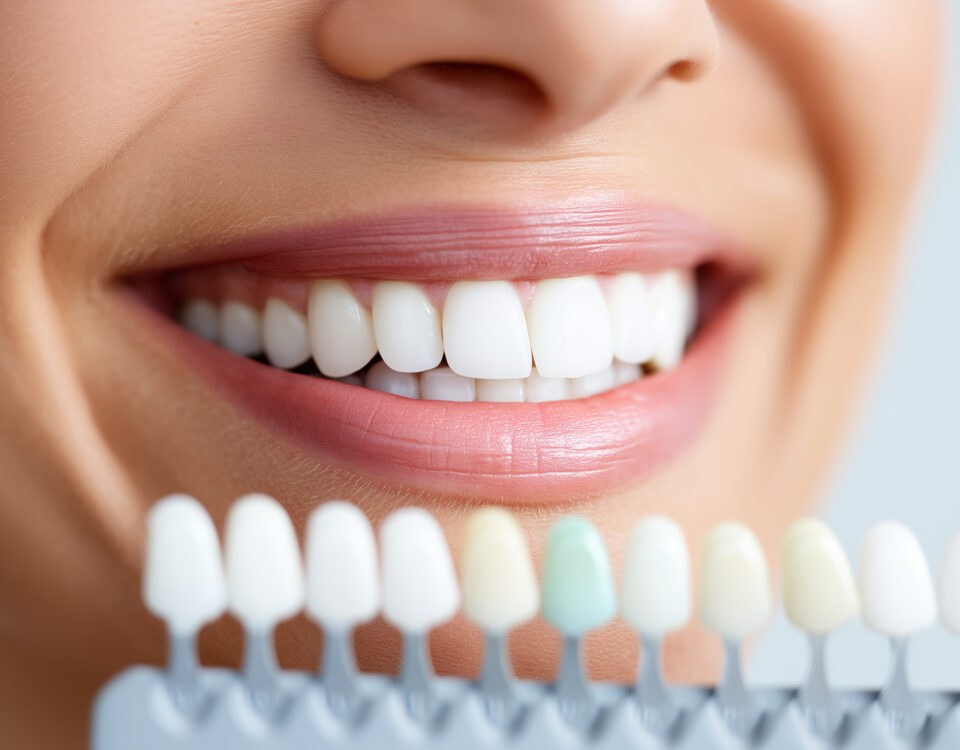
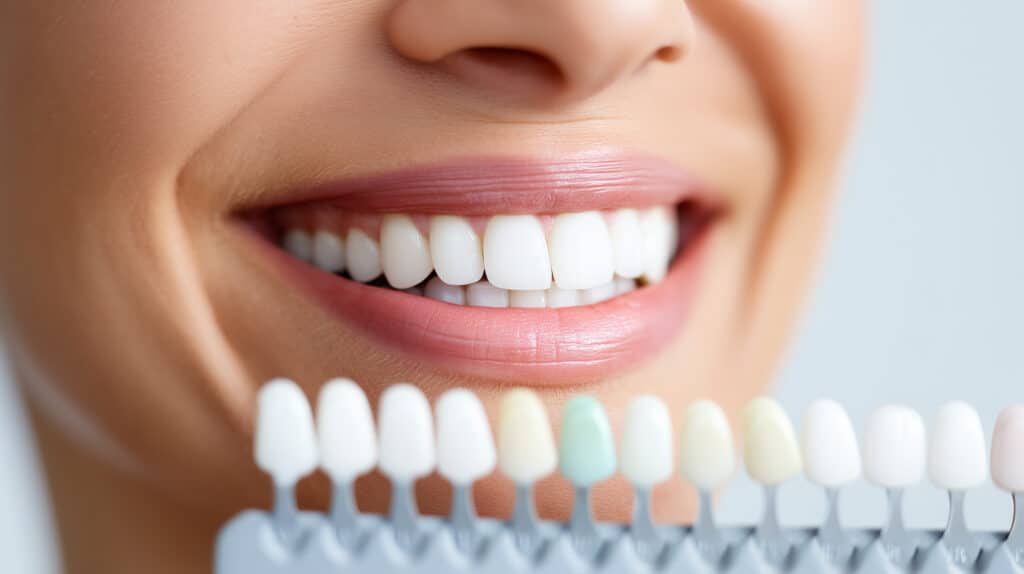
Before we march into the specifics of who needs dental crowns, it’s essential to understand what they are. Imagine a cap. Now, imagine this cap being custom-made to fit perfectly over your tooth. This is essentially what a dental crown is. A tailor-made covering that encases the entire visible portion of your tooth once it’s cemented into place. Crowns are shaped and colored to match natural teeth, resulting in a seamless smile that not only looks good but serves your oral health too.
When to Consider a Dental Crown
Dental crowns are incredibly versatile and serve a variety of purposes. Here’s a closer look at the dental situations they address:
- Protecting a weak tooth – If a tooth has been significantly weakened by decay or is at risk of breaking, a crown can offer it protection and support.
- Restoring a broken tooth – A dental crown is an ideal solution for teeth that have been cracked, worn down, or otherwise weakened.
- Covering a tooth with a large filling – When a tooth contains a large filling, there isn’t much tooth left. A crown can provide the strength the tooth needs to last longer.
- Holding a dental bridge in place – Dental bridges replace missing teeth. Crowns on the teeth on either side of the gap and are connected to an artificial tooth to secure the bridge.
- Covering misshapen or discolored teeth – Crowns can drastically improve the appearance of teeth that are unusually shaped or have severe discoloration.
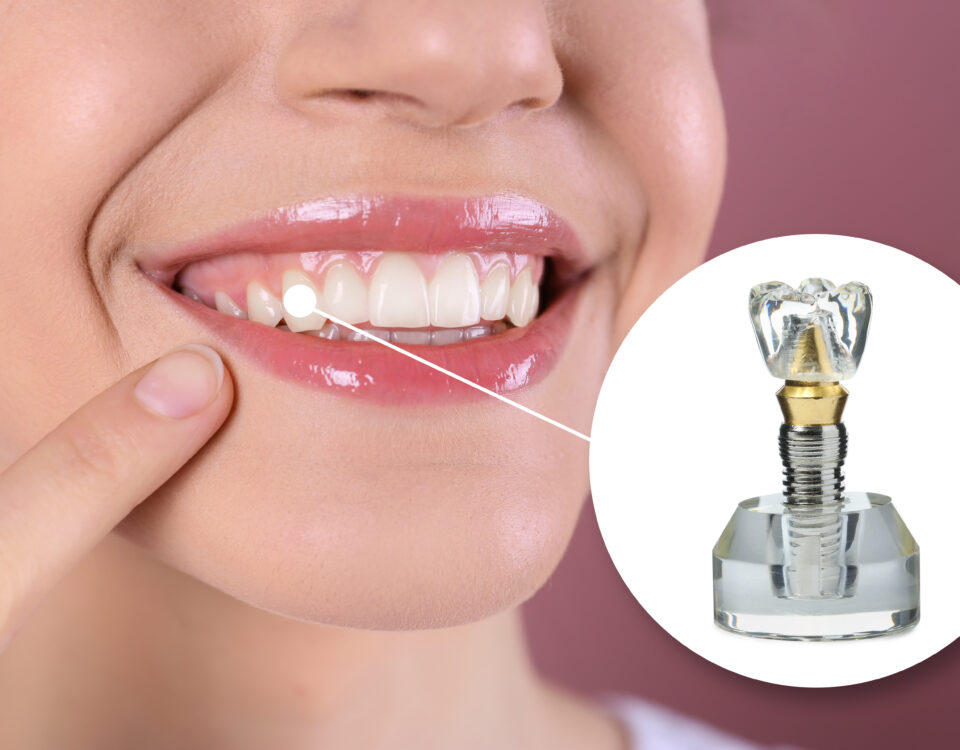
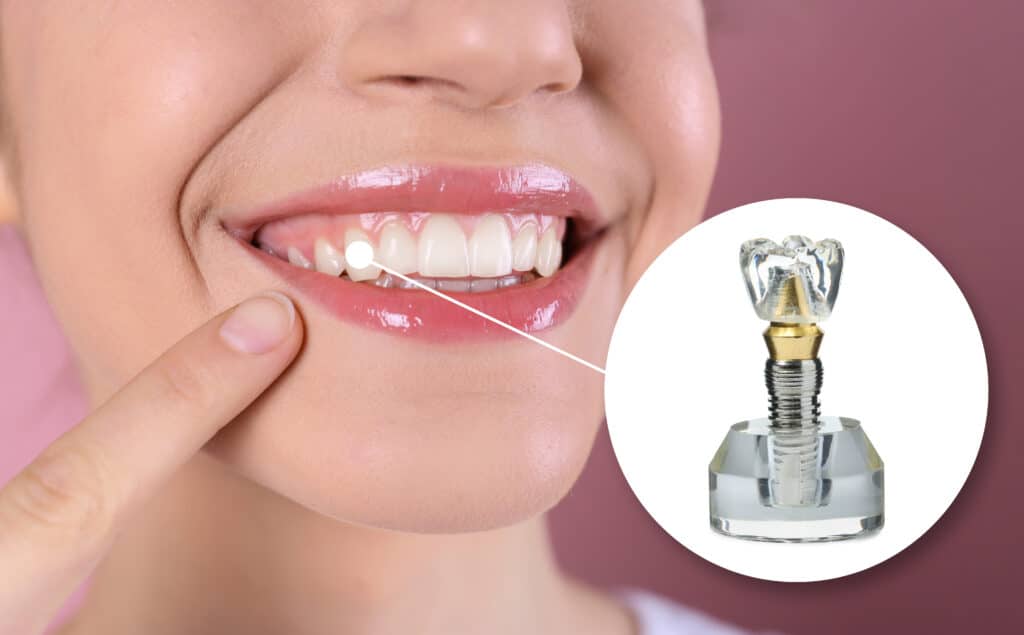
- Covering a dental implant – A dental implant with an artificial tooth attached to it looks much like a natural tooth. If an implant is used to replace a single tooth, then a crown will be fitted onto the abutment, effectively replacing the missing tooth.
The Crown Fitting Process
The fitting of a dental crown typically requires two visits to the dentist. During the first visit, the tooth will be prepared to ensure the crown will fit properly. This entails reducing the tooth size to accommodate the crown. An impression of the reduced tooth and the surrounding teeth is taken. Then, it’s sent to a lab where the crown is custom-made. In the interim, a temporary crown may be placed over the tooth to protect it.
On the second visit, the permanent crown is placed. The dentist ensures it fits correctly, makes any necessary adjustments, and then cements it into place once the fit is perfect.
Who’s on the Crown’s Waiting List? Identifying Candidates
Now that we’ve covered what dental crowns are and the process for getting one, the question remains – who’s a candidate for dental crowns?
The Decayed and the Fractured
Those with severe tooth decay or who have fractured teeth might be candidates for dental crowns.
The Bridge Seekers
If you need a dental bridge to replace a missing tooth or teeth, likely, you’ll need crowns to anchor the bridge securely.
The Cosmetic Connoisseurs
For individuals who place a high value on their appearance, a dental crown could be the answer to correcting misshapen or discolored teeth.
The Post-Implant Prospects
For those opting for dental implants to replace missing teeth, you will very likely require a dental crown to cap the implant.
Crown for All Ages: Age-Related Considerations
The need for dental crowns isn’t just relegated to a specific age group. It’s dictated by the condition of your teeth.
Crowns for Children
Crowning of teeth in children is usually recommended by a pediatric dentist when primary teeth are particularly decayed or have undergone trauma that warrants significant restoration.
Crowns for Adults and Seniors
Adults and seniors may need crowns later in life to address a variety of dental issues, including those related to aging, general wear and tear, or accidents.
An Ounce of Prevention: How to Avoid Dental Crown Necessity
While dental crowns are an incredible solution for multiple dental issues, prevention is always better than cure. Maintaining oral hygiene is the key to avoiding dental problems that can lead to the necessity of crowns. Regular brushing, flossing, and dentist visits can go a long way in keeping teeth healthy and strong.
The Importance of Regular Check-Ups
Regular dental check-ups can help detect tooth decay and other issues early on, allowing for less invasive treatments than crowns, such as fillings or dental bonds.
Good Oral Hygiene Practices
Establishing and following a good oral hygiene routine can prevent the majority of dental health problems that lead to crowns.
Diet and Teeth
The foods and drinks we consume play a significant role in our dental health. Avoiding excessive sugar and acidic foods can prevent decay and erosion, which in turn can help avoid the need for crowns.
The Final Flourish: Crowning the Experience
For many patients, the process of getting a dental crown can be an easy and relatively painless experience. The most important part is finding a dental professional you trust. At Premier Dentistry of Eagle, the competent team offers compassionate care and top-tier expertise. They will work closely with you to ensure you understand every step of the process, from diagnosis to aftercare.
Pre-Crown Care
If you’re prepping for a crown, knowing what to expect and prepping for the visit can make the experience smooth and stress-free.
Aftercare
Following your dentist’s aftercare instructions is crucial. Avoiding sticky or hard foods and maintaining good oral hygiene can ensure your crown lasts a long time.
Maintenance
With good care, a dental crown can last a decade or more. Regular dental visits are important for monitoring the health of the crowned tooth and the surrounding teeth.
In conclusion, dental crowns may not be for everyone, but they certainly have a royal place in dentistry. Whether for protection, repair, or just to enhance your smile, the right crown can make all the difference. At Premier Dentistry of Eagle, the focus is not just on providing dental treatment but on crafting a unique dental experience. If you think you might need a dental crown, don’t hesitate to schedule a consultation. Your teeth deserve the very best, and that’s exactly what you’ll find at Premier Dentistry of Eagle.