
When Should Your Child Get Braces?

The Risk of Not Replacing Missing Teeth
May 16, 2024
Brush Your Teeth the Right Way Tips for a Clean and Healthy Smile
May 31, 2024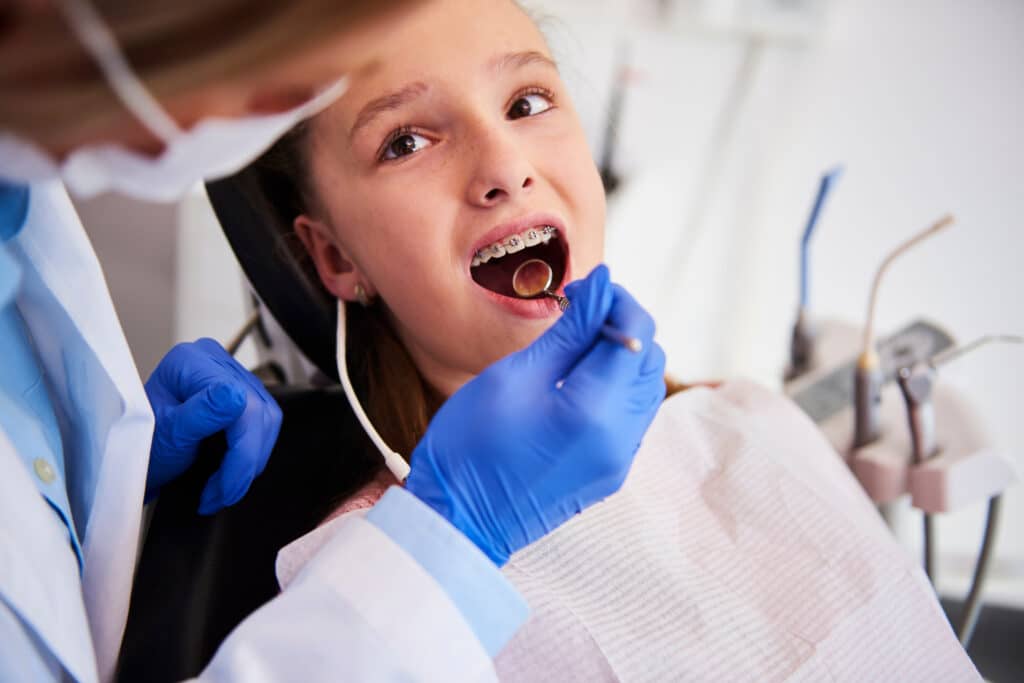
Determining the right time for your child to get braces can be a daunting decision for any parent. At Premier Dentistry of Eagle, we understand the importance of timing when it comes to orthodontic treatments. With the right guidance and expert advice, you can make an informed decision that ensures your child’s dental health and confidence for years to come.
Why Orthodontics Matter for Children
Orthodontics isn’t just about achieving a beautiful smile; it’s also crucial for your child’s overall oral health. Misaligned teeth can lead to various issues, including difficulty in chewing, speech problems, and increased risk of tooth decay and gum disease. By addressing these problems early on, you can help your child avoid more serious dental complications in the future.
Signs That Your Child May Need Braces
While every child is unique, several common signs may indicate the need for orthodontic intervention:
- Crowded or Crooked Teeth: If your child’s teeth appear crowded or overlap, braces can help align them properly.
- Bite Issues: Overbites, underbites, and crossbites are signs that your child’s jaw and teeth are not aligning correctly.
- Difficulty Chewing or Biting: If your child struggles with chewing food or biting down, it could indicate a problem with their bite alignment.
- Mouth Breathing: Persistent mouth breathing can affect the development of your child’s jaw and teeth.
- Early or Late Loss of Baby Teeth: Losing baby teeth too early or too late can impact the growth of permanent teeth.
- Thumb Sucking: Prolonged thumb-sucking can cause misalignment of the teeth and jaw.
The Ideal Age for Braces
The American Association of Orthodontists recommends that children have their first orthodontic evaluation by age 7. This doesn’t necessarily mean that your child will need braces right away, but an early assessment allows the orthodontist to monitor the development of their teeth and jaw.
Early Intervention (Ages 7-9)
For some children, early intervention can prevent more severe issues later on. At this age, orthodontists can identify potential problems and implement measures such as spacers or partial braces to guide the growth of the teeth and jaw.
Middle Childhood (Ages 10-14)
Most children get braces between the ages of 10 and 14. At this stage, the majority of their permanent teeth have erupted, making it easier to correct alignment issues effectively. Additionally, children’s jaws are still growing, which allows for more effective adjustments.
Late Teens and Beyond
While braces are most commonly associated with children and teenagers, it’s never too late to seek orthodontic treatment. Adults can also benefit from braces, although treatment may take longer due to the fully developed jaw.
Types of Braces Available
Premier Dentistry of Eagle offers a variety of orthodontic options to suit different needs and preferences:
- Traditional Metal Braces: These are the most common type of braces and are highly effective for correcting a wide range of orthodontic issues. Modern versions are smaller, more comfortable, and less noticeable than in the past.
- Ceramic Braces: Made of clear or tooth-colored materials, ceramic braces are less visible than metal braces and are a popular choice for older teenagers and adults.
- Lingual Braces: These braces are attached to the back of the teeth, making them virtually invisible from the front. They are a great option for those who are concerned about the aesthetics of traditional braces.
- Invisalign: Invisalign uses a series of clear, removable aligners to gradually straighten teeth. They are a discreet and convenient option, especially for minor to moderate orthodontic issues.
What to Expect During Treatment
Getting braces is a significant step, and understanding the process can help ease any apprehension. Here’s a general overview of what to expect:
- Initial Consultation: During the first visit, the orthodontist will assess your child’s teeth, gums, and jaw to determine the best course of action. This may include taking X-rays, photographs, and impressions of their teeth.
- Treatment Plan: Based on the assessment, the orthodontist will develop a personalized treatment plan outlining the type of braces, duration of treatment, and expected outcomes.
- Fitting the Braces: The process of fitting braces typically takes one to two hours. The orthodontist will clean and dry the teeth before attaching the brackets with a special adhesive. The wires and bands are then placed to connect the brackets and guide the teeth into proper alignment.
- Regular Adjustments: Throughout the treatment, your child will need to visit the orthodontist regularly (usually every 4-6 weeks) for adjustments. These appointments ensure that the braces are working effectively and allow the orthodontist to make any necessary modifications.
- Retention Phase: After the braces are removed, your child will need to wear a retainer to maintain the new alignment of their teeth. Retainers are typically worn full-time initially, then gradually reduced to nighttime wear.
Tips for Managing Braces
Braces require some lifestyle adjustments, but with proper care, your child can enjoy a smooth treatment experience:
- Oral Hygiene: Maintaining good oral hygiene is crucial to prevent cavities and gum disease. Encourage your child to brush and floss regularly, and consider using special orthodontic toothbrushes and flossers.
- Dietary Considerations: Certain foods can damage braces, so it’s important to avoid hard, sticky, and sugary items. Encourage your child to eat soft foods and cut up harder items into smaller pieces.
- Comfort Measures: It’s normal for your child to experience some discomfort after getting braces or during adjustments. Over-the-counter pain relievers, orthodontic wax, and warm saltwater rinses can help alleviate soreness.
Make an Appointment with Premier Dentistry of Eagle
Deciding when your child should get braces is an important decision that can have a lasting impact on their oral health and self-confidence. By understanding the signs, timing, and treatment options, you can make an informed choice that benefits your child’s smile for years to come.
At Premier Dentistry of Eagle, we are committed to providing expert care and guidance throughout your child’s orthodontic journey. If you have any questions or are ready to schedule an evaluation, please don’t hesitate to contact us. Together, we can ensure your child achieves a healthy, beautiful smile.

