Signs You Might Have a Cavity and What to Do About It
Manage Tooth Sensitivity With These At-Home Tips at Premier Dentistry of Eagle
February 27, 2025
What Your Tooth Sensitivity Could Mean for Your Oral Health
March 14, 2025
Cavities are one of the most common dental problems, yet they often go unnoticed until they cause significant pain or damage. At Premier Dentistry of Eagle, we believe in catching dental issues early, so they don’t lead to bigger problems down the road. If you’re wondering whether you might have a cavity, here are some signs to look out for and what you can do about it.
Common Signs You Might Have a Cavity
-
Tooth Pain or Sensitivity If you experience sharp pain or discomfort when eating or drinking hot, cold, or sweet foods, it could be a sign of a cavity. Sensitivity can occur when the protective enamel of the tooth is worn down, allowing irritants to reach the inner parts of the tooth.
-
Visible Holes or Dark Spots A visible hole or dark spot on your tooth, especially in the back where cavities often form, may indicate the presence of a cavity. If you notice this, it’s important to visit your dentist for a check-up.
-
Bad Breath or Unpleasant Taste Cavities can cause bacteria to accumulate, leading to bad breath (halitosis) or a persistent bad taste in your mouth. If brushing and flossing don’t help, it could be due to a cavity.
-
Pain When Chewing If you experience pain or discomfort when biting down or chewing, a cavity might be the cause. As cavities progress, they can affect the structure of your tooth, making it painful to chew.
-
Tooth Discoloration In the early stages of a cavity, you may notice white or brown spots on your teeth. These are signs of enamel erosion, which could eventually turn into a cavity if left untreated.
What to Do About It
-
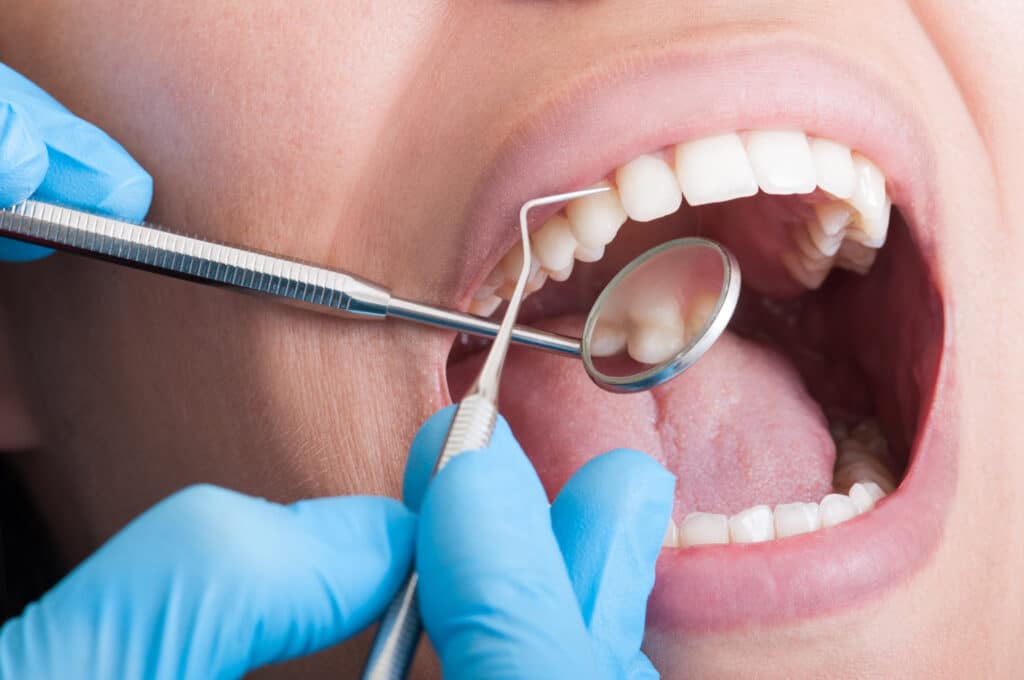
Schedule a Visit to Premier Dentistry of Eagle If you notice any of these signs, it’s essential to schedule a dental check-up as soon as possible. Our team at Premier Dentistry of Eagle will perform a thorough exam and may take X-rays to check for cavities beneath the surface.
-
Early Detection and Treatment Catching a cavity early allows for more conservative treatment options, such as dental fillings. If we find the cavity in the very early stages, a fluoride treatment might be all it takes to help remineralize the tooth.
-
Prevention is Key Regular dental visits, good oral hygiene, and a balanced diet are essential for preventing cavities. Brushing twice a day with fluoride toothpaste, flossing daily, and using mouthwash can help remove plaque and bacteria that lead to cavities.
-
Consider Dental Sealants If you’re at higher risk for cavities, dental sealants can be a preventive measure. These thin coatings are applied to the grooves of your teeth, especially the molars, to protect them from bacteria and decay.
Cavities don’t always cause immediate pain, so it’s important to stay vigilant and recognize the early signs. If you notice any of the symptoms above, don’t wait! Contact Premier Dentistry of Eagle to schedule an appointment. Early treatment can help prevent further damage and keep your smile healthy for years to come. Let us help you protect your teeth with the care they deserve!