What Your Tooth Sensitivity Could Mean for Your Oral Health

Signs You Might Have a Cavity and What to Do About It
March 6, 2025
Are You Brushing Your Teeth Long Enough? The Truth About Proper Brushing Time
March 20, 2025
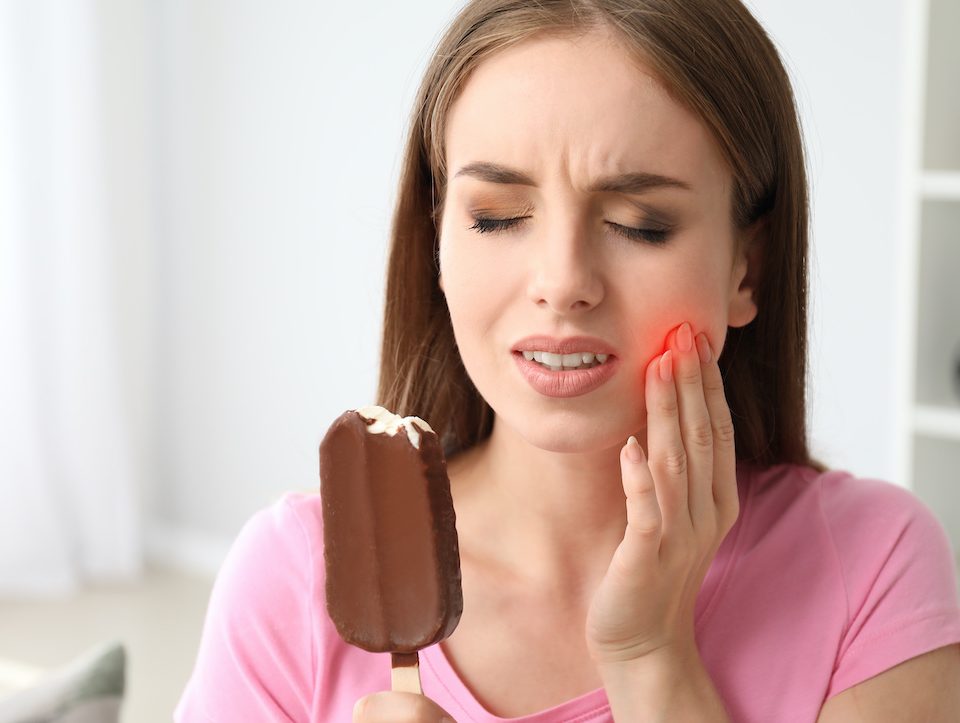
Tooth sensitivity is a common issue that affects many individuals at some point in their lives. Whether it’s a sharp, painful reaction to hot, cold, sweet, or acidic foods, the discomfort can make everyday life unpleasant. But did you know that tooth sensitivity can be more than just an annoying sensation? It could be an indicator of an underlying dental problem that requires attention.
At Premier Dentistry of Eagle, we want our patients to understand what tooth sensitivity might mean for their oral health and why it’s essential to address the issue early on. Let’s take a closer look at what’s causing your tooth sensitivity and how you can protect your smile.
What Causes Tooth Sensitivity?
Tooth sensitivity occurs when the protective layer of enamel wears down, exposing the underlying layer of dentin. Dentin contains tiny tubules that connect to nerves within the tooth, and when exposed, these nerves can trigger discomfort in response to various stimuli like temperature changes or pressure.
Some of the most common causes of tooth sensitivity include:
-
Enamel Erosion: Over time, the enamel that protects your teeth can erode due to factors like acidic foods, aggressive brushing, or even natural aging. Once this enamel wears away, the sensitive dentin beneath is exposed.
-
Gum Recession: As gums recede, the roots of your teeth become exposed, which are more sensitive than the crowns of your teeth. Gum recession can occur due to gum disease, aggressive brushing, or natural aging.
-
Cavities or Tooth Decay: If you have a cavity, the bacteria in the decaying tooth can irritate the nerves, causing pain. If left untreated, cavities can become deeper and cause more intense pain.
-
Cracked or Chipped Teeth: A crack or chip in your tooth can expose the sensitive inner layers, leading to discomfort when eating or drinking certain foods.
-
Teeth Grinding (Bruxism): Grinding your teeth can wear down enamel, expose the dentin, and create sensitivity over time. Stress, misaligned teeth, or sleep disorders often cause bruxism.
-
Recent Dental Procedures: Sometimes, sensitivity can be temporary after a dental procedure like a filling, cleaning, or whitening treatment. This typically subsides in a few days, but if it persists, it’s worth checking with your dentist.
What Could Your Tooth Sensitivity Mean?
While tooth sensitivity might seem like a mild inconvenience, it can signal a more serious issue with your oral health. If left unchecked, the underlying causes of sensitivity can worsen over time, leading to more severe dental problems, such as:
- Advanced Tooth Decay: What starts as a small cavity can lead to significant decay if ignored, potentially requiring a root canal or tooth extraction.
- Gum Disease: Gum recession due to periodontal disease can not only cause sensitivity but can also lead to tooth loss if untreated.
- Tooth Fractures or Chips: If a crack or chip in your tooth is left untreated, it may lead to infection or other complications that could require more extensive dental procedures.
- Severe Enamel Erosion: If enamel erosion continues, it can make your teeth more susceptible to cavities, staining, and further sensitivity.
When Should You See a Dentist?
If you experience persistent tooth sensitivity, it’s essential to consult with a dentist at Premier Dentistry of Eagle. While occasional sensitivity to temperature changes might not be cause for alarm, consistent or severe sensitivity could indicate a deeper problem. A dentist can evaluate your oral health, identify the root cause of your sensitivity, and recommend the best treatment options.
If you’re experiencing any of the following, it’s time to schedule an appointment:
- Ongoing tooth sensitivity that doesn’t improve after a few days
- Pain that’s sharp or persistent, especially when eating or drinking hot or cold foods
- Sensitivity that affects multiple teeth
- Swollen or bleeding gums along with sensitivity
- Any visible signs of tooth decay, cracks, or damage
How to Manage Tooth Sensitivity
There are several ways to manage and reduce tooth sensitivity, including:
- Switch to a Desensitizing Toothpaste: Many over-the-counter toothpaste brands are formulated to help reduce tooth sensitivity. These products contain compounds that block the transmission of pain signals from the surface of the tooth to the nerve.
- Use a Soft-Bristled Toothbrush: Aggressive brushing can wear down enamel, leading to sensitivity. A soft-bristled toothbrush and gentle brushing technique can help preserve enamel and reduce sensitivity.
- Avoid Acidic Foods and Drinks: Acidic foods and beverages like citrus fruits, soda, and coffee can erode enamel. Limiting your intake of these can help prevent further sensitivity.
- Wear a Nightguard: If you grind your teeth at night, a custom nightguard can protect your teeth from further enamel wear.
- Consider Fluoride Treatments: In-office fluoride treatments can help remineralize enamel and reduce sensitivity over time.
Make an Appointment with Premier Dentistry of Eagle
Tooth sensitivity is a common yet important dental issue that should not be ignored. It can be a sign of an underlying problem with your teeth or gums that could escalate into more significant oral health issues if left untreated. At Premier Dentistry of Eagle, we’re here to help you understand the cause of your tooth sensitivity and provide the care you need to restore your comfort and oral health.
If you’re experiencing tooth sensitivity, don’t hesitate to schedule an appointment with our team. We’ll work with you to create a personalized treatment plan to address the root cause and keep your smile healthy and pain-free for years to come.
Contact Premier Dentistry of Eagle today to schedule your consultation!