Dental Bonding: A Simple Solution for Small Smile Imperfections

How Does Aging Affect Your Smile?
October 9, 2026
Why Your Dental Exam Includes More Than Checking for Cavities
October 21, 2026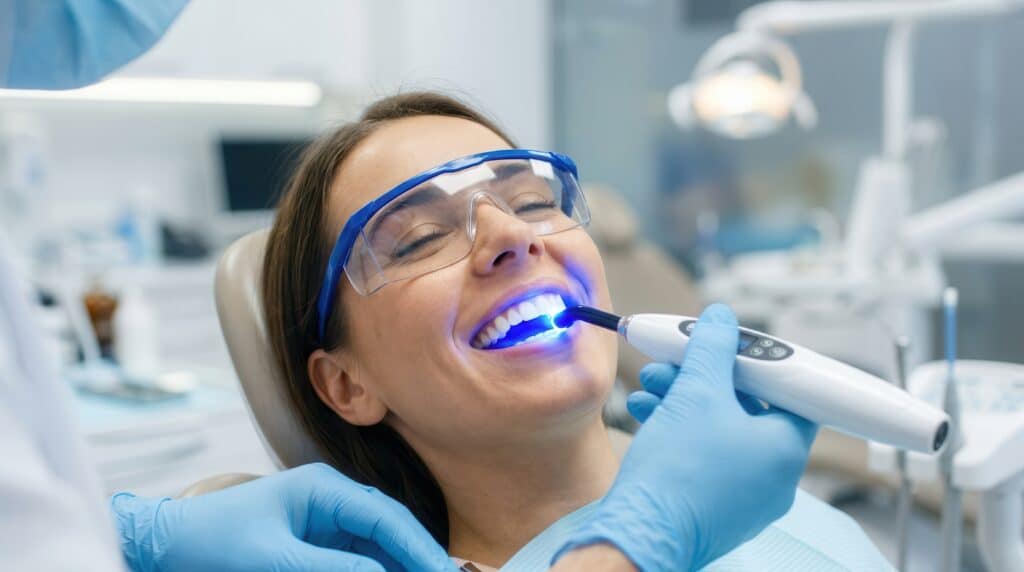
Have you ever noticed a small chip in your tooth, a tiny gap between your front teeth, or an uneven edge that makes you feel self-conscious about your smile? Even minor dental imperfections can affect how you feel when smiling, laughing, or taking photos.
The good news is that improving your smile doesn’t always require extensive dental work. For many patients, dental bonding offers a simple, conservative way to address small cosmetic concerns and create a more balanced, natural-looking smile.
At Premier Dentistry of Eagle, we believe everyone deserves to feel confident about their smile. Whether you’re dealing with a chipped tooth, slight discoloration, or an irregular tooth shape, cosmetic dental bonding may be an option worth exploring.
Let’s take a closer look at how dental bonding works, what it can correct, and why it may be an excellent choice for small smile imperfections.
What Is Dental Bonding?
Dental bonding is a cosmetic dental procedure that uses tooth-colored composite resin to improve the appearance of teeth.
Composite resin is a moldable material that can be carefully shaped to match the natural contours of your smile.
During the bonding process, your dentist applies the resin to the affected tooth, shapes it to achieve the desired appearance, and hardens it using a special curing light.
Once the material is polished, it blends with the surrounding tooth structure.
Unlike some other cosmetic treatments, dental bonding often requires little or no removal of natural tooth enamel.
This makes it a relatively conservative option for patients who want to improve minor imperfections without significantly altering their teeth.
What Smile Imperfections Can Dental Bonding Fix?
One of the biggest advantages of dental bonding is its versatility.
Although it isn’t appropriate for every cosmetic concern, bonding can address several common imperfections.
1. Chipped Teeth
A small chip can happen unexpectedly.
Maybe you accidentally bit into something hard, experienced a minor injury, or noticed that the edge of your tooth has gradually worn down.
Even a tiny chip on a front tooth can affect the overall appearance of your smile.
Dental bonding can restore the missing portion of the tooth by adding tooth-colored resin and shaping it to match the original contour.
The result is a smoother, more uniform appearance.
However, larger fractures or teeth with significant structural damage may require a crown or another restorative treatment.
2. Small Gaps Between Teeth
Do you have a small space between your front teeth?
While gaps are not always a dental health concern, some patients prefer a more even appearance.
Dental bonding can sometimes close small gaps by adding composite resin to the sides of neighboring teeth.
This allows the teeth to appear closer together without physically moving them.
For larger spaces or gaps related to bite alignment, orthodontic treatment may be a better option.
3. Uneven Tooth Edges
Teeth don’t always develop or wear down evenly.
Some people naturally have teeth that appear slightly shorter or differently shaped than neighboring teeth.
Others experience minor wear from chewing or grinding.
Dental bonding can help improve symmetry by adjusting the visible shape or length of selected teeth.
This may create a more balanced smile without requiring extensive cosmetic treatment.
4. Minor Tooth Discoloration
Professional teeth whitening can improve many types of staining, but certain discolorations may not respond well to bleaching.
For example, a tooth may have a localized stain or color irregularity that remains noticeable after whitening.
Dental bonding can sometimes cover these areas with composite resin that matches the surrounding teeth.
However, bonding materials can stain over time, and the resin itself doesn’t respond to whitening treatments in the same way natural enamel does.
Your dentist can help determine whether bonding, whitening, or another cosmetic option is most appropriate.
5. Irregularly Shaped Teeth
Some teeth may naturally appear smaller, narrower, or differently shaped than others.
Dental bonding can add volume to selected areas, improving tooth proportions and creating a more uniform appearance.
This approach may be especially helpful for minor cosmetic concerns involving the front teeth.
What Are the Benefits of Dental Bonding?
Dental bonding is a popular cosmetic treatment for several reasons.
A Conservative Treatment Option
Unlike traditional porcelain veneers, which usually require some enamel removal, dental bonding often preserves most or all of the natural tooth structure.
This can make bonding appealing to patients who prefer a less invasive approach.
Natural-Looking Results
Composite resin comes in a variety of shades, allowing dentists to select a color that closely resembles your natural teeth.
When carefully shaped and polished, the material can blend with the surrounding enamel.
Often Completed in One Visit
Many cosmetic bonding procedures can be completed during a single dental appointment.
The exact treatment time depends on the number of teeth involved and the complexity of the corrections.
Usually Requires Little or No Anesthesia
When bonding is performed strictly for cosmetic purposes and doesn’t involve decay removal or significant tooth preparation, local anesthesia may not be necessary.
However, some procedures may require numbing to keep patients comfortable.
Often More Affordable Than Other Cosmetic Treatments
Dental bonding generally has a lower initial cost than porcelain veneers or crowns.
However, pricing varies based on the number of teeth treated, the extent of the work, and other factors.
Repairable Material
If composite bonding chips or becomes damaged, it may be possible to repair the affected area without replacing the entire restoration.
Your dentist can evaluate the damage and recommend the most appropriate solution.
What Happens During the Dental Bonding Procedure?
If you’re considering dental bonding in Eagle, Idaho, you may be wondering what the appointment involves.
Although each treatment is customized, the process generally follows several steps.
Step 1: Evaluating Your Smile
Your dentist begins by examining your teeth and discussing your cosmetic goals.
This helps determine whether bonding is appropriate for the imperfections you want to address.
If you have untreated cavities, gum disease, or other oral health concerns, those issues may need to be addressed first.
Step 2: Choosing the Right Resin Shade
Your dentist selects a composite resin shade that closely matches your natural teeth.
The goal is to create a restoration that blends with your smile rather than standing out.
If you’re considering teeth whitening, your dentist may recommend completing whitening before bonding because composite resin doesn’t lighten with bleaching treatments.
Step 3: Preparing the Tooth Surface
The tooth surface is gently prepared to help the bonding material adhere.
This may involve lightly roughening the enamel and applying a conditioning solution.
For many cosmetic bonding procedures, little or no enamel removal is necessary.
Step 4: Applying and Shaping the Resin
Your dentist applies the composite resin and carefully molds it into the desired shape.
This step requires attention to detail to ensure the bonded area complements the surrounding teeth.
Step 5: Hardening the Material
A special curing light is used to harden the composite resin.
Once the material has set, your dentist can make additional adjustments to improve the shape and fit.
Step 6: Polishing the Tooth
Finally, the bonded area is polished to create a smooth, natural-looking finish.
Your dentist may also check your bite to make sure the restoration doesn’t interfere with normal chewing.
In many cases, you can return to your usual activities shortly after the appointment.
How Long Does Dental Bonding Last?
Dental bonding can provide attractive results for several years, but it isn’t permanent.
Many composite bonding restorations last approximately three to ten years, depending on their location, size, and how well they’re maintained.
Some may last longer, while others require earlier repair or replacement.
Factors that can affect the lifespan of dental bonding include:
-
Daily oral hygiene habits
-
Teeth grinding or clenching
-
The location of the bonded tooth
-
Biting or chewing habits
-
Exposure to staining foods and beverages
-
The amount of composite resin used
-
Regular dental examinations
Because composite resin is generally less resistant to staining and chipping than porcelain, maintaining good habits is important.
Your dentist can monitor bonded teeth during routine appointments and recommend repairs when necessary.
How Do You Care for Bonded Teeth?
One of the advantages of dental bonding is that it doesn’t require an entirely new oral hygiene routine.
However, a few precautions can help protect your results.
Brush and Floss Regularly
Brush twice daily with fluoride toothpaste and a soft-bristled toothbrush.
Floss at least once a day to remove plaque and food particles from between your teeth.
Although composite resin cannot develop cavities, the natural tooth structure surrounding the bonding can still experience decay.
Avoid Biting Hard Objects
Chewing ice, biting fingernails, or using your teeth to open packages can damage bonding material.
Try to avoid habits that place unnecessary pressure on your teeth.
Be Mindful of Staining
Composite resin can become discolored over time.
Coffee, tea, red wine, tobacco, and other staining substances may gradually affect its appearance.
Rinsing your mouth with water after consuming dark beverages can help reduce residue.
Address Teeth Grinding
If you grind or clench your teeth, the repeated pressure may increase the risk of bonding chips or fractures.
A custom nightguard may help protect your natural teeth and restorations.
Maintain Routine Dental Visits
Regular dental examinations allow your dentist to monitor the condition of your bonding and check for signs of wear or damage.
Professional cleanings also help support healthy teeth and gums.
At Premier Dentistry of Eagle, preventive care is an important part of maintaining both your oral health and cosmetic dental results.
Dental Bonding vs. Porcelain Veneers: What’s the Difference?
Dental bonding and porcelain veneers can both improve the appearance of chipped, stained, or uneven teeth.
However, they differ in several important ways.
| Feature | Dental Bonding | Porcelain Veneers |
|---|---|---|
| Material | Tooth-colored composite resin | Custom dental porcelain |
| Treatment time | Often one appointment | Usually multiple appointments |
| Enamel removal | Often minimal or none | Usually requires some removal |
| Stain resistance | More prone to staining | Generally more stain-resistant |
| Durability | Often 3–10 years | Often 10–15 years or longer |
| Initial cost | Generally lower | Generally higher |
| Repair | Often relatively easy to repair | May require veneer replacement |
For small cosmetic imperfections, dental bonding may be a practical and conservative solution.
For patients seeking more extensive changes in tooth color, shape, or overall appearance, porcelain veneers may be worth considering.
The best choice depends on your goals, oral health, budget, and long-term expectations.
Is Dental Bonding Right for Everyone?
Although dental bonding offers several benefits, it isn’t the ideal solution for every dental concern.
Bonding may be appropriate for patients who:
-
Have small chips or minor tooth damage
-
Want to close small gaps between teeth
-
Have slightly uneven tooth edges
-
Want to improve minor discoloration
-
Prefer a conservative cosmetic treatment
-
Have generally healthy teeth and gums
However, patients with significant tooth damage, large cavities, severe misalignment, or substantial bite problems may need other treatments.
For example, a tooth weakened by extensive decay may require a dental crown rather than cosmetic bonding.
Similarly, orthodontic treatment may be more appropriate for correcting larger gaps or alignment concerns.
A dental examination can help determine which treatment will provide the most appropriate and predictable results.
Can Dental Bonding Improve Your Confidence?
Your smile is one of the first things people notice, and even minor imperfections can influence how comfortable you feel showing your teeth.
Some patients avoid smiling in photographs or cover their mouths when laughing because they’re self-conscious about a small chip or uneven tooth.
Dental bonding offers a way to address certain cosmetic concerns without extensive treatment.
By improving tooth shape, symmetry, or appearance, bonding may help patients feel more confident about their smiles.
Of course, cosmetic dentistry is a personal choice.
A healthy smile doesn’t have to be perfectly straight or symmetrical, and not every small imperfection requires correction.
At Premier Dentistry of Eagle, we believe cosmetic treatment should reflect your individual preferences and goals.
Enhance Your Smile With Premier Dentistry of Eagle
Small dental imperfections don’t always require major dental procedures.
Whether you’re concerned about a chipped tooth, a small gap, minor discoloration, or an uneven edge, dental bonding may offer a simple way to improve your smile’s appearance.
With its natural-looking results, conservative approach, and relatively straightforward treatment process, bonding is an option worth considering for many patients.
At Premier Dentistry of Eagle, we’re committed to helping patients throughout Eagle, Idaho, maintain healthy, confident smiles. Our team can evaluate your cosmetic concerns, explain available treatment options, and help you determine whether dental bonding is right for your needs.
You don’t have to let a small smile imperfection affect your confidence.
Contact Premier Dentistry of Eagle today to schedule a consultation and learn more about dental bonding and your cosmetic dentistry options!