Fight the Symptoms of Dry Mouth with These Tips

Is Stress Causing Your Bruxism?
July 28, 2024
Protect Your Teeth While You Sleep With a Nightguard
August 11, 2024
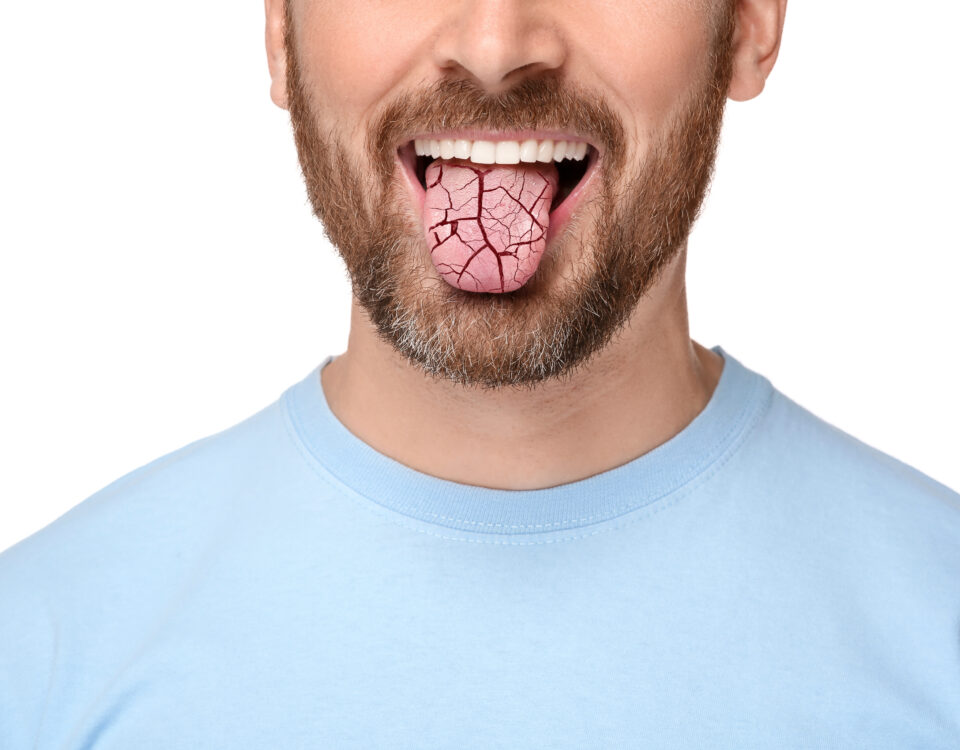
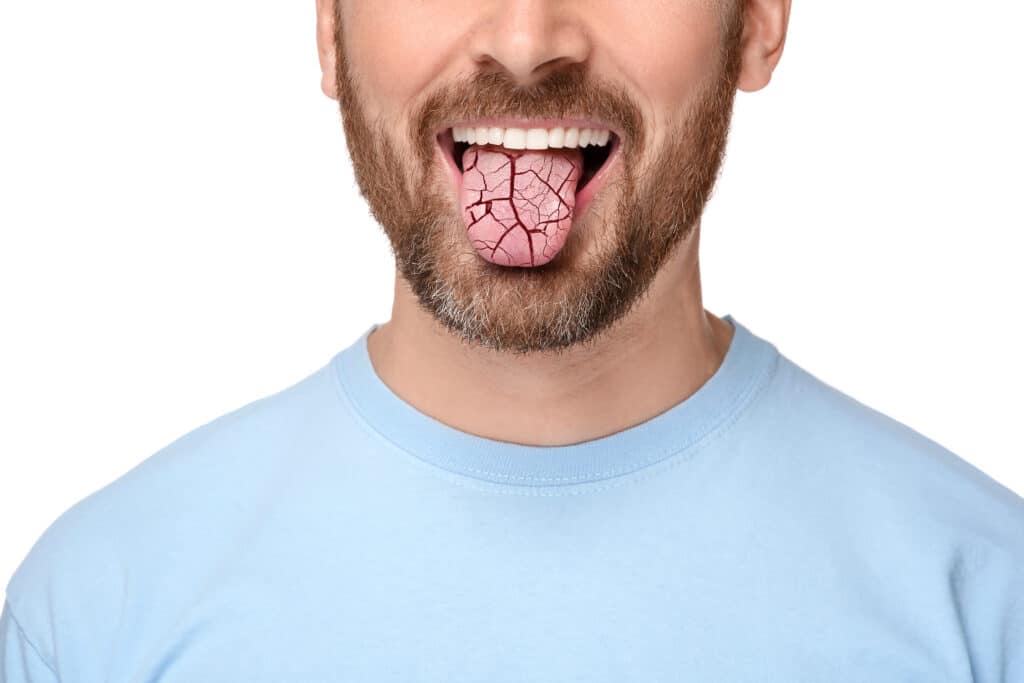
Dry mouth, or xerostomia, is more than just an uncomfortable sensation; it can significantly impact your oral health and overall well-being. At Premier Dentistry of Eagle, we understand the challenges that come with dry mouth and are here to offer effective tips to help you manage and alleviate its symptoms.
Understanding Dry Mouth
Dry mouth occurs when your salivary glands do not produce enough saliva to keep your mouth moist. This condition can result from various factors, including medications, medical treatments, dehydration, and certain health conditions. Saliva is crucial for maintaining oral health as it helps neutralize acids, wash away food particles, and prevent tooth decay.
Symptoms of Dry Mouth
Common symptoms of dry mouth include:
- A sticky or dry feeling in the mouth
- Frequent thirst
- Difficulty chewing, swallowing, or speaking
- A dry or sore throat
- Cracked lips
- A burning or tingling sensation in the mouth
- Bad breath
- Increased plaque, tooth decay, and gum disease
Tips to Combat Dry Mouth
Here are some practical tips to help you fight the symptoms of dry mouth and protect your oral health:
1. Stay Hydrated
Drinking plenty of water throughout the day is essential for combating dry mouth. Keep a water bottle with you and take small sips regularly to keep your mouth moist. Avoid sugary or caffeinated beverages, which can exacerbate dry mouth symptoms.
2. Chew Sugar-Free Gum
Chewing sugar-free gum can stimulate saliva production. Look for gum that contains xylitol, a natural sweetener that helps protect against tooth decay. Chewing gum after meals can also help remove food particles and reduce the risk of cavities.
3. Use a Humidifier
Using a humidifier, especially at night, can add moisture to the air and help alleviate dry mouth symptoms. This is particularly helpful if you live in a dry climate or experience dry mouth while sleeping.
4. Avoid Tobacco and Alcohol
Tobacco and alcohol can dry out your mouth and worsen dry mouth symptoms. Quitting smoking and limiting alcohol consumption can improve your overall health and reduce the severity of dry mouth.
5. Opt for Alcohol-Free Mouthwash
Many commercial mouthwashes contain alcohol, which can further dry out your mouth. Choose an alcohol-free mouthwash or a moisturizing rinse specifically designed for dry mouth relief.
6. Maintain Good Oral Hygiene
Good oral hygiene is crucial for preventing tooth decay and gum disease, which can be more prevalent in individuals with dry mouth. Brush your teeth at least twice a day with fluoride toothpaste and floss daily. Regular dental checkups and cleanings are essential to monitor your oral health and address any issues promptly.
7. Use Saliva Substitutes
Over-the-counter saliva substitutes and oral moisturizers can provide temporary relief from dry mouth symptoms. These products come in various forms, such as sprays, gels, and lozenges, and can help keep your mouth moist and comfortable.
8. Avoid Certain Foods and Beverages
Certain foods and beverages can exacerbate dry mouth symptoms. Avoid spicy, salty, and acidic foods, as well as caffeine and carbonated drinks. Opt for hydrating and soft foods that are easier to swallow and less likely to irritate your mouth.
9. Consult with Your Dentist
If you experience persistent dry mouth, it’s essential to consult with your dentist. They can help identify the underlying cause and recommend appropriate treatments. In some cases, your dentist may prescribe medications to stimulate saliva production or suggest changes to your current medications.
Make an Appointment with Premier Dentistry of Eagle
Managing dry mouth effectively requires a combination of lifestyle changes, good oral hygiene, and professional guidance. By following these tips, you can alleviate the symptoms of dry mouth and protect your oral health. At Premier Dentistry of Eagle, we are committed to helping you maintain a healthy and comfortable smile. If you have concerns about dry mouth or need personalized advice, don’t hesitate to contact us. Our team is here to provide the care and support you need.