How Sleep Affects Your Oral Health: Tips for Better Rest and a Healthier Smile
How Often Should You Really Replace Your Toothbrush?
August 22, 2025
The Link Between Oral Health and Diabetes
September 4, 2025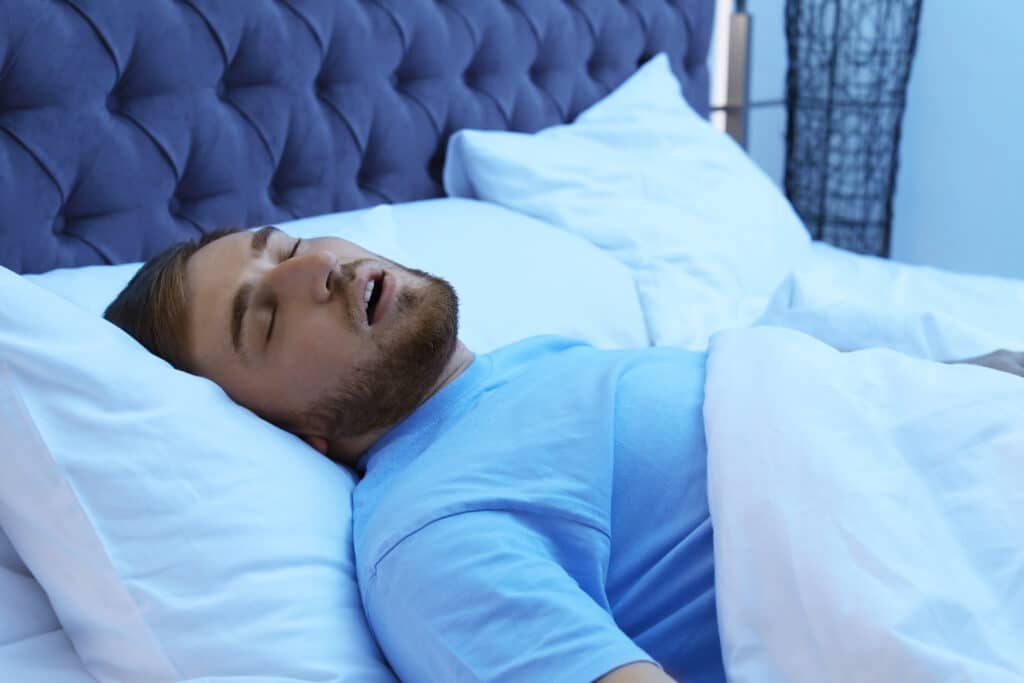
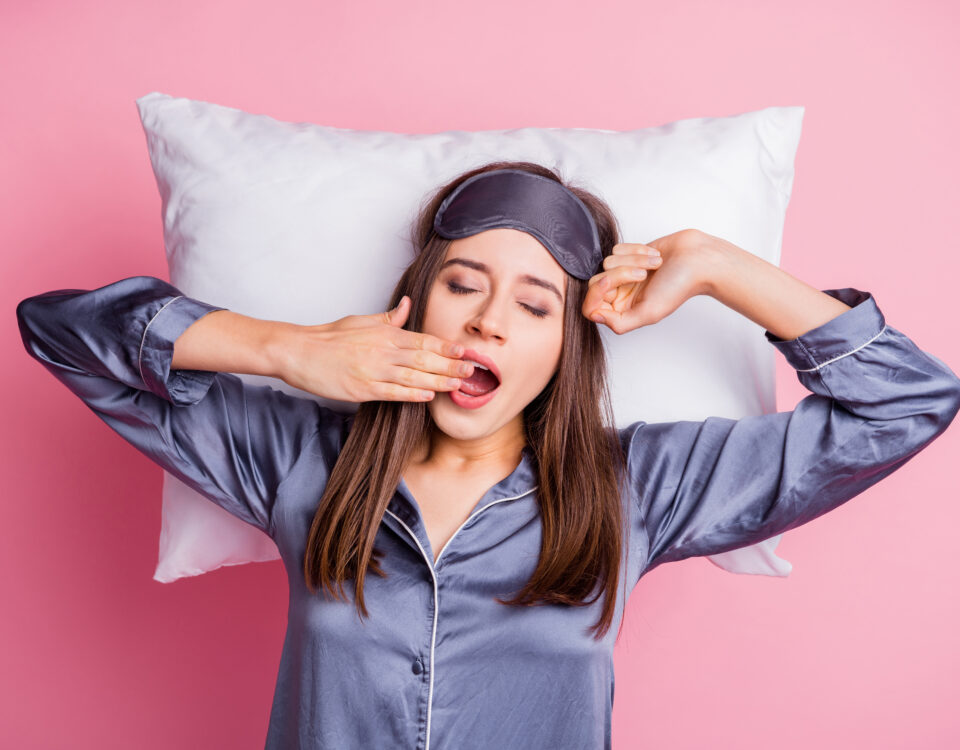
We all know that a good night’s sleep is important for overall health, but did you know it’s also essential for your oral health? Lack of sleep doesn’t just leave you feeling tired—it can also take a toll on your teeth and gums. At Premier Dentistry of Eagle in Eagle, ID, we believe a healthier smile starts with healthy habits, including quality sleep.
The Connection Between Sleep and Oral Health
1. Sleep and Gum Health
Poor sleep can weaken your immune system, making it harder for your body to fight off inflammation and infection. This can increase your risk of gum disease, which, if left untreated, may lead to tooth loss or other health issues.
2. Sleep Apnea and Oral Problems
If you suffer from sleep apnea, your breathing repeatedly stops during sleep. This condition often causes dry mouth, which leads to bad breath, cavities, and gum irritation. Many people also grind or clench their teeth (bruxism) when struggling to breathe at night, which can wear down enamel.
3. Dry Mouth and Tooth Decay
Saliva plays a crucial role in protecting your teeth by washing away food particles and neutralizing acids. Poor sleep or mouth breathing at night can reduce saliva flow, increasing your risk for cavities.
4. Clenching and Grinding
Stress and poor sleep quality often go hand-in-hand. If you wake up with jaw pain, headaches, or worn teeth, you may be grinding your teeth while you sleep.
Tips for Better Rest and a Healthier Smile
-
Stick to a bedtime routine: Going to bed and waking up at the same time every day helps your body get consistent rest.
-
Stay hydrated: Drinking water before bed (and throughout the day) can help prevent dry mouth.
-
Limit caffeine and alcohol: Both can disrupt sleep and dry out your mouth.
-
Use a humidifier: If you breathe through your mouth, a humidifier can help keep your mouth and throat from drying out.
-
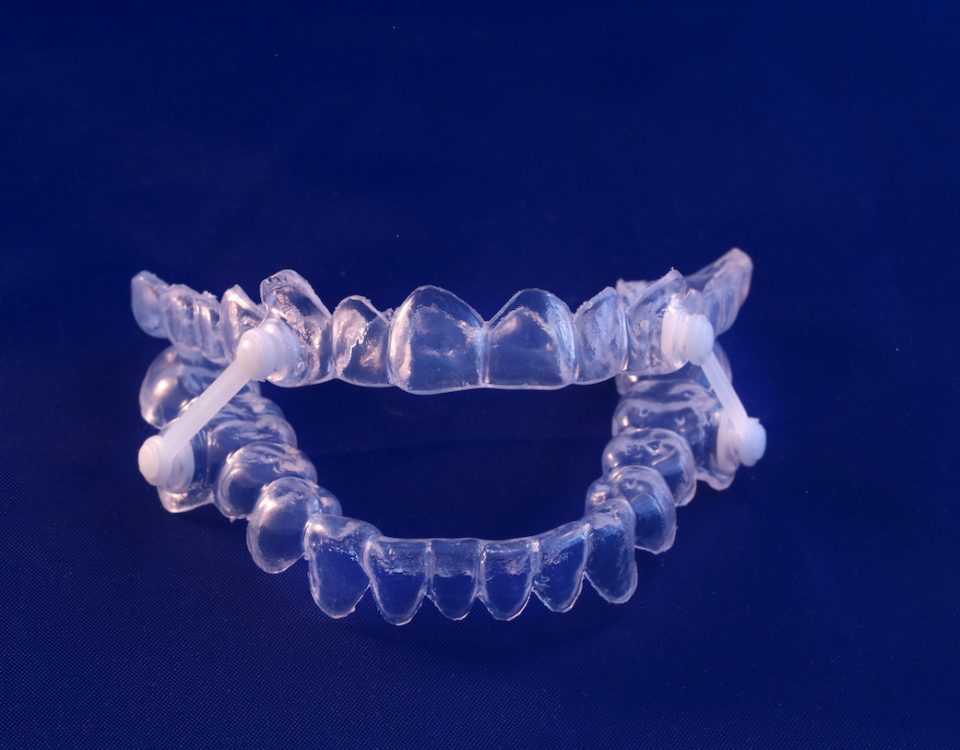
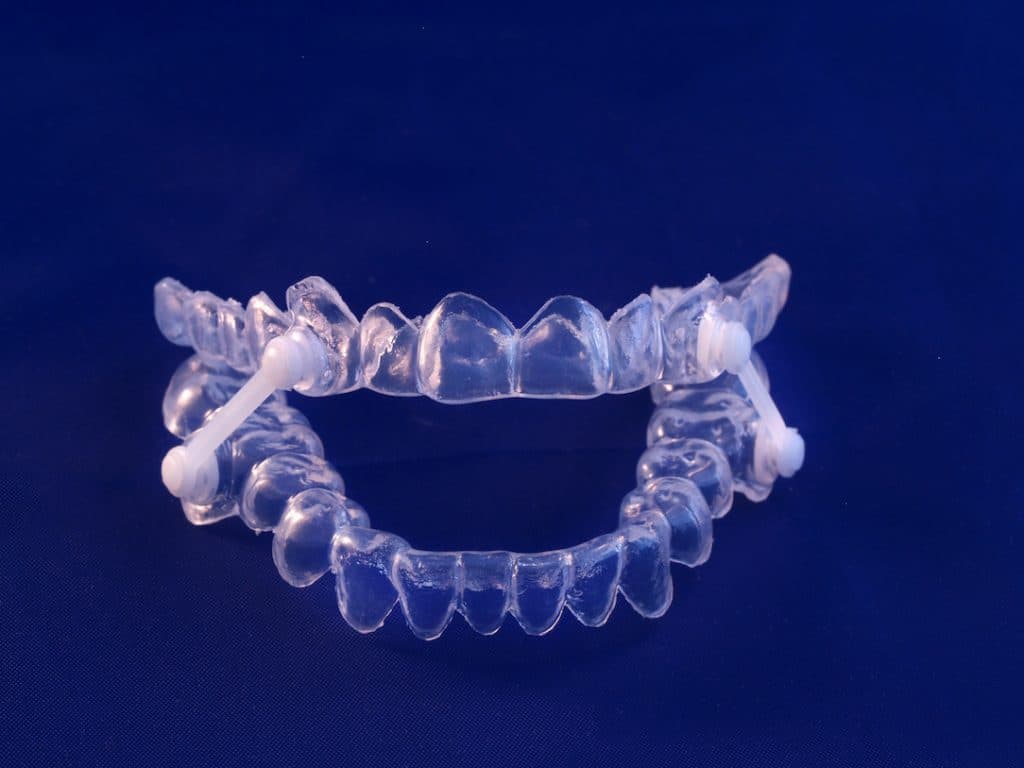
Talk to your dentist: If you snore, grind your teeth, or suspect sleep apnea, your dentist can help with custom oral appliances and referrals.
Premier Dentistry of Eagle Can Help
Quality sleep is essential for more than just energy—it’s a key part of your oral and overall health. At Premier Dentistry of Eagle, we provide expert dental care to help you prevent problems caused by poor sleep, from dry mouth to tooth grinding.
Call us today to schedule an appointment and find out how we can help you protect your smile while you sleep!