How to Prevent Periodontitis

What Smoking Does to Your Teeth
March 17, 2020
Dry Mouth Tips for the Winter Months
December 22, 2021
Our gums play a vital part in our dental health, which is why it’s important to pay attention to them along with your teeth. Periodontitis, also known as gum disease, is a serious infection that attacks the soft tissue of the mouth. If left untreated, it can also begin to target the bones as well. Can you treat and heal periodontal disease or can it only be prevented?
What is Periodontitis?
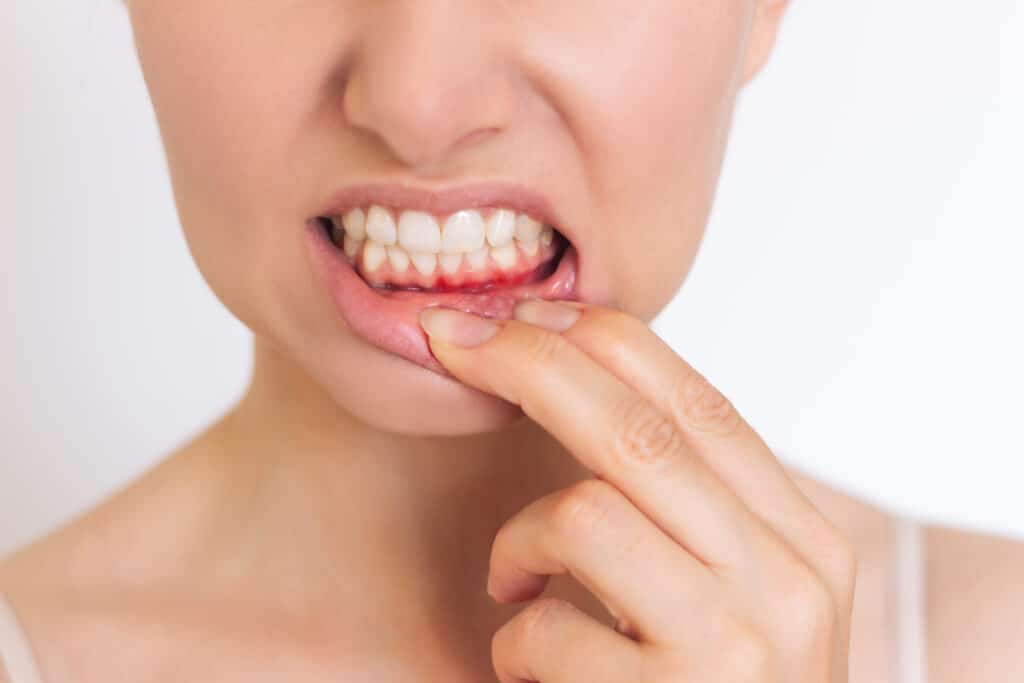
Periodontitis, or gum disease, is when the gums and supporting structures of the teeth become inflamed. When inflamed, the gums can become sensitive, prone to bleeding, and swollen. When the gums start displaying these symptoms it’s because the body is trying to fight off bacteria that has built up on the teeth.
What Causes Periodontitis?
Plaque is the sole cause of gum disease in most patients. Periodontitis happens when excess bacteria and inflammation are caused due to the buildup of plaque. Periodontal bacteria is found in the mouth naturally, but it can get out of hand fast with improper dental hygiene. While plaque is the primary culprit of gum disease, sometimes other factors can cause gum disease. According to WebMD, these are:
- Hormonal changes: when women become pregnant, or even just go through their monthly cycles, the gums can be more sensitive because or hormones
- Illnesses: certain illnesses and conditions can make a person more susceptible to gum disease
- Medications: some medications have side effects that target the gums of the mouth
- Smoking: when people smoke it can make it more difficult for the body to try and heal gum problems itself
- Poor hygiene: patients that have poor oral hygiene and don’t brush and floss each day are more susceptible to gum disease
- Genetics: unfortunately, sometimes family history and be a reason some people have gum issues
Symptoms
The symptoms of gum disease provided by the American Academy of Periodontology are:
- Gums that are tender, red, and swollen
- Bleeding after brushing or flossing
- Receding gum-lines
- Having loose teeth
- Pus between teeth and gums
- Mouth sores
- Bite changes
- Consistent bad breath
- Difference in how dentures fit
Treatment vs. Prevention
It is best practice to work to prevent gum disease before it happens. In most instances, back dental hygiene can help prevent gum disease if practiced everyday. This includes brushing twice a day, flossing once a day, and living a healthy, active lifestyle.
If gum disease does develop though, it’s best to catch it early. This is why it’s important to see your dentist twice a year. When gum disease is caught early enough, it can be reversed.
Treatment Options
There are treatment options when it comes to gum disease. Reversing gum disease in early stages requires a deep cleaning to be done to remove plaque at the gum-line. This is called periodontal scaling. If too far developed, the dentist might practice root planing, which is where they smooth roughness along the root surfaces to promote healing of the tissue. In some instances, there are medications that also help treat gum disease early on.
If gum disease goes untreated for too long, the patient might require surgery to correct it. This option might also be necessary in some patients who have defects of the mouth. Oral surgery for gum disease involves renewing healthy bone and gums.
No matter the treatment your dentist thinks is best, you play a critical role in maintaining your newfound healthy gums. This means practicing good oral hygiene, seeing your dentist regularly, and living a healthy lifestyle.
Health Risks
Untreated gum disease can have a negative effect on your overall health. Not only can it cause tooth loss, but it can also cause pregnancy and labor complications, increased risk for heart problems, and diabetes.
Make an Appointment
If you have red and tender gums and think you need treatment for gum disease, make an appointment with us here at Premier Dentistry of Eagle. We will work with you one-on-one to develop a treatment plan that gets you back to normal as soon as possible. Your health is our top priority, call us today: (208)-546-0655.