National Gum Care Month: Give Your Gums the Attention They Deserve

Back-to-School Smile Tips for the Whole Family
August 27, 2026
Replace Missing Teeth with Dental Implants at Premier Dentistry
September 10, 2026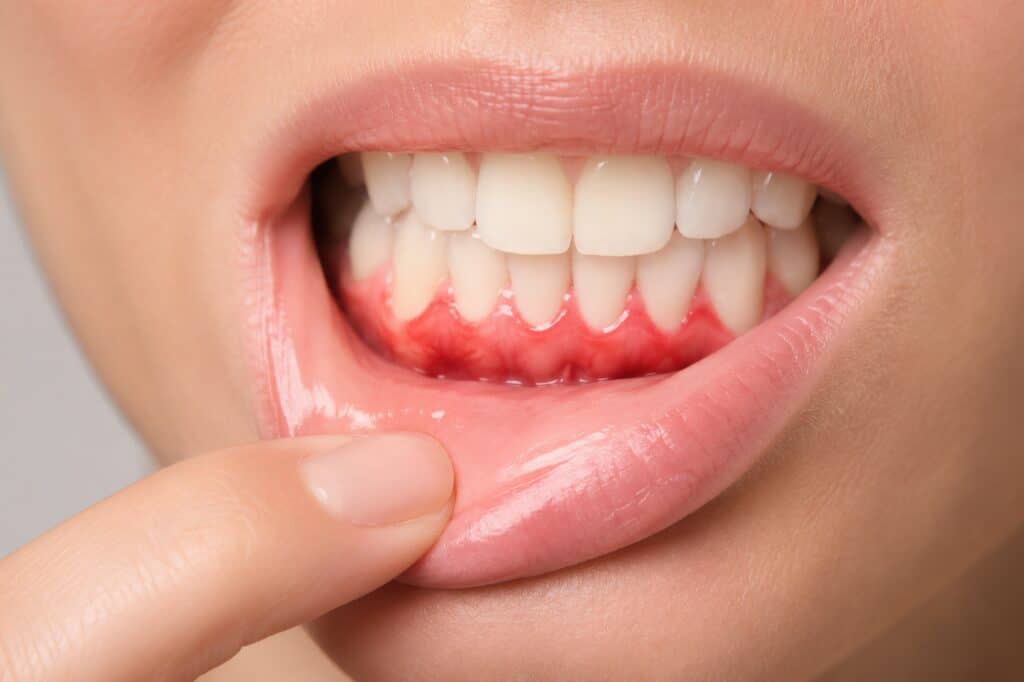
When you think about a healthy smile, your teeth probably get most of the attention. You brush to prevent cavities, consider whitening to brighten your smile, and visit the dentist when a tooth hurts. But healthy teeth depend on something equally important: healthy gums.
September is National Gum Care Month, making it the perfect time to focus on the tissue that supports and protects your teeth every day.
At Premier Dentistry of Eagle, we encourage patients to make gum health a regular part of their oral care routine. From daily flossing to professional dental cleanings, a few consistent habits can go a long way toward protecting your gums and your smile.
Why Are Healthy Gums So Important?
Your gums surround and help support your teeth while creating a protective barrier around the structures underneath them.
When gums are healthy, they generally fit snugly around the teeth and shouldn’t regularly bleed during brushing or flossing.
Problems can begin when plaque accumulates along the gumline. Plaque is a sticky film of bacteria that continuously forms on your teeth. If it isn’t removed effectively, it can irritate the gums and contribute to gum disease.
Over time, untreated gum disease can affect the tissues and bone supporting your teeth.
That’s why caring for your gums isn’t simply about avoiding a little redness or bleeding. Gum health is an essential part of maintaining your natural smile.
What Is Gum Disease?
Gum disease, also called periodontal disease, is an infection and inflammatory condition affecting the tissues surrounding the teeth.
The earliest stage is known as gingivitis.
Common signs of gingivitis can include:
- Red or swollen gums
- Tender gums
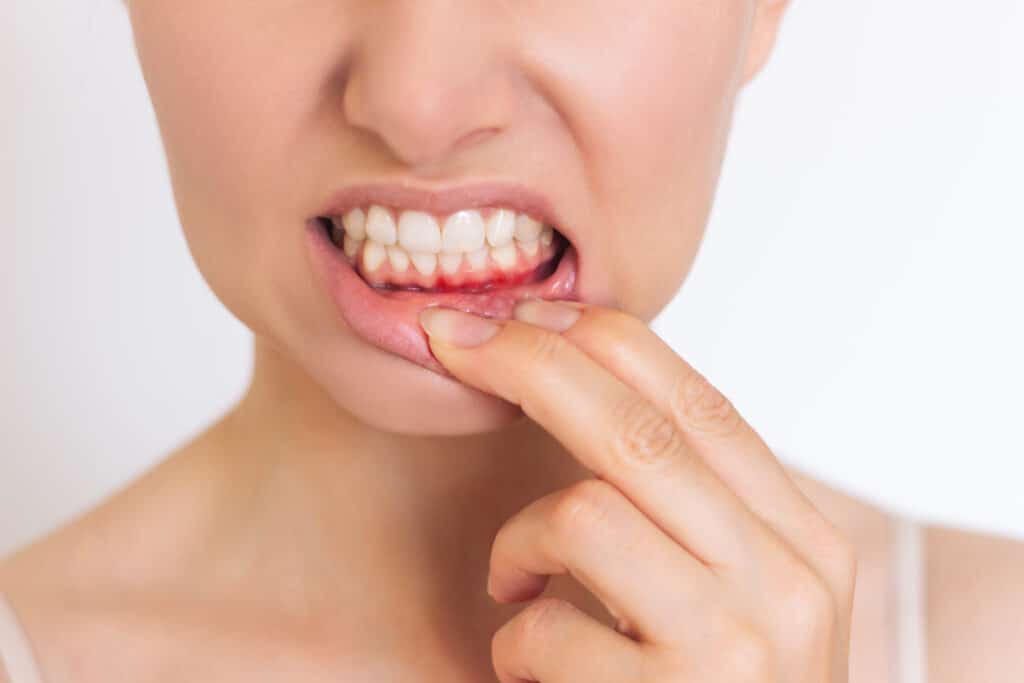
- Bleeding when brushing
- Bleeding when flossing
- Persistent bad breath
At this stage, gum disease can often be reversed with improved oral hygiene and professional dental care.
If gingivitis isn’t addressed, however, it can progress to periodontitis. As periodontal disease advances, the gums can pull away from the teeth and pockets can form around them.
Eventually, the bone and tissues supporting the teeth may become damaged, potentially contributing to loose teeth and tooth loss.
Bleeding Gums Aren’t Something to Ignore
Seeing a little pink in the sink after brushing or flossing can be easy to dismiss.
Occasional bleeding may happen if you’ve recently started flossing again or accidentally irritated your gums. However, gums that bleed regularly deserve attention.
Frequent bleeding can be a sign of inflammation or early gum disease.
Some people stop flossing when their gums bleed because they assume flossing is causing the problem. In many cases, however, consistent and gentle cleaning between the teeth is exactly what those areas need.
If bleeding continues, schedule a dental evaluation so your dentist can determine what’s causing it.
Plaque and Tartar: What’s the Difference?
Plaque forms on your teeth every day, which is why brushing and flossing are so important.
When plaque isn’t thoroughly removed, it can harden into tartar, also called dental calculus.
Unlike soft plaque, tartar can’t be effectively removed with your toothbrush or floss at home. It requires professional dental instruments to remove.
Tartar can accumulate along and beneath the gumline, creating areas where additional plaque can collect.
Regular professional cleanings help remove these deposits and give your dental team an opportunity to monitor your gum health.
Flossing Is Essential for Healthy Gums
Your toothbrush does an excellent job cleaning many surfaces of your teeth, but it can’t effectively reach every space between them.
That’s where flossing comes in.
Cleaning between your teeth helps remove plaque and food debris from areas your toothbrush may miss, particularly near the gumline.
Aim to clean between your teeth every day using traditional floss, floss picks, interdental brushes, or another method recommended by your dental team.
The best technique is one you’ll use correctly and consistently.
Brush Your Gumline Gently
Brushing twice a day with fluoride toothpaste remains one of the foundations of good oral health.
But harder brushing doesn’t mean cleaner teeth.
Aggressive brushing can irritate the gums and contribute to enamel wear or gum recession over time.
Use a soft-bristled toothbrush and gentle pressure. Angle the bristles toward the gumline so you can remove plaque where the teeth and gums meet without aggressively scrubbing the tissue.
If your toothbrush bristles quickly become flattened or frayed, you may be brushing harder than necessary.
What Is Gum Recession?
Gum recession occurs when the gum tissue pulls away from its normal position around a tooth, exposing more of the tooth or its root.
Receding gums can make teeth appear longer and may contribute to sensitivity, especially when consuming something hot or cold.
Several factors may contribute to recession, including gum disease, aggressive brushing, genetics, and other oral health concerns.
Gum tissue generally doesn’t simply grow back once significant recession has occurred, so identifying and addressing contributing factors is important.
If you’ve noticed changes in your gumline, mention them during your next dental visit.
Persistent Bad Breath May Be a Warning Sign
Everyone experiences bad breath occasionally, especially after certain foods or first thing in the morning.
But bad breath that doesn’t improve with brushing, flossing, and tongue cleaning may indicate an underlying oral health problem.
Plaque, tartar, gum disease, dry mouth, cavities, and other conditions can all contribute to persistent bad breath.
Instead of relying solely on gum or mouthwash to cover the odor, talk with your dentist about identifying the source.
Don’t Forget to Clean Your Tongue
Your gums and teeth aren’t the only areas where bacteria can accumulate.
The textured surface of your tongue can collect bacteria and debris that contribute to bad breath.
Gently brushing your tongue or using a tongue scraper as part of your daily oral hygiene routine can help keep your mouth cleaner.
It only takes a few extra seconds and can be an easy addition to your morning and evening routine.
Hydration Can Help Your Oral Health
Drinking plenty of water is another simple way to support a healthier mouth.
Saliva helps wash away food particles, neutralize acids, and protect your teeth and oral tissues. When your mouth becomes dry, plaque and bacteria may accumulate more easily.
Sip water regularly throughout the day, especially after meals and snacks.
Water can also help rinse away food particles when brushing isn’t immediately possible.
Your Diet Matters, Too
What you eat affects more than your teeth.
Frequently consuming sugary foods and drinks gives bacteria in your mouth more opportunities to produce acids and contribute to plaque buildup.
Try to build meals around nutrient-rich foods such as vegetables, fruits, lean proteins, dairy products, and whole grains.
You don’t necessarily have to eliminate your favorite treats. Instead, pay attention to how frequently you’re exposing your teeth and gums to sugary or acidic foods and beverages.
Professional Cleanings Are Important for Gum Health
Even excellent brushing and flossing can’t remove hardened tartar.
Professional dental cleanings allow your dental hygienist to remove plaque and tartar from areas that may be difficult to clean at home.
Your dental visits also give your team an opportunity to examine your gums for changes you might not notice yourself.
Depending on your needs, your dental team may evaluate gum pocket depths, bleeding, recession, and other indicators of periodontal health.
If signs of gum disease are detected, your dentist can recommend appropriate treatment.
Gum Disease Doesn’t Always Hurt
One of the reasons routine dental care is so important is that gum disease can progress without causing significant pain.
You may feel perfectly fine while inflammation or periodontal changes are developing.
Pay attention to signs such as:
- Bleeding gums
- Persistent redness or swelling
- Receding gums
- Ongoing bad breath
- Tenderness around the gumline
- Changes in the way your teeth fit together
- Loose permanent teeth
Don’t wait for severe discomfort before scheduling an appointment.
Healthy Gums Start With Consistent Habits
Protecting your gums doesn’t require a complicated routine.
Focus on a few basics:
- Brush twice daily with fluoride toothpaste.
- Use a soft-bristled toothbrush.
- Clean between your teeth every day.
- Clean your tongue regularly.
- Drink plenty of water.
- Limit frequent sugary foods and beverages.
- Avoid tobacco products.
- Keep up with professional dental exams and cleanings.
- Tell your dentist about bleeding, recession, swelling, or other changes.
Small habits performed consistently can make a meaningful difference in your long-term oral health.
Celebrate National Gum Care Month With Premier Dentistry of Eagle
National Gum Care Month is a reminder that a beautiful smile isn’t just about your teeth. Healthy gums provide the foundation your smile depends on.
If it’s been a while since your last dental cleaning, you’ve noticed bleeding when brushing or flossing, or you’re concerned about changes in your gums, September is a great time to schedule an appointment.
At Premier Dentistry of Eagle, we’re here to help you understand your gum health, identify potential concerns, and create a preventive care routine that supports your smile for years to come.
Give your gums the attention they deserve this National Gum Care Month. Contact Premier Dentistry of Eagle to schedule your next dental exam and cleaning.