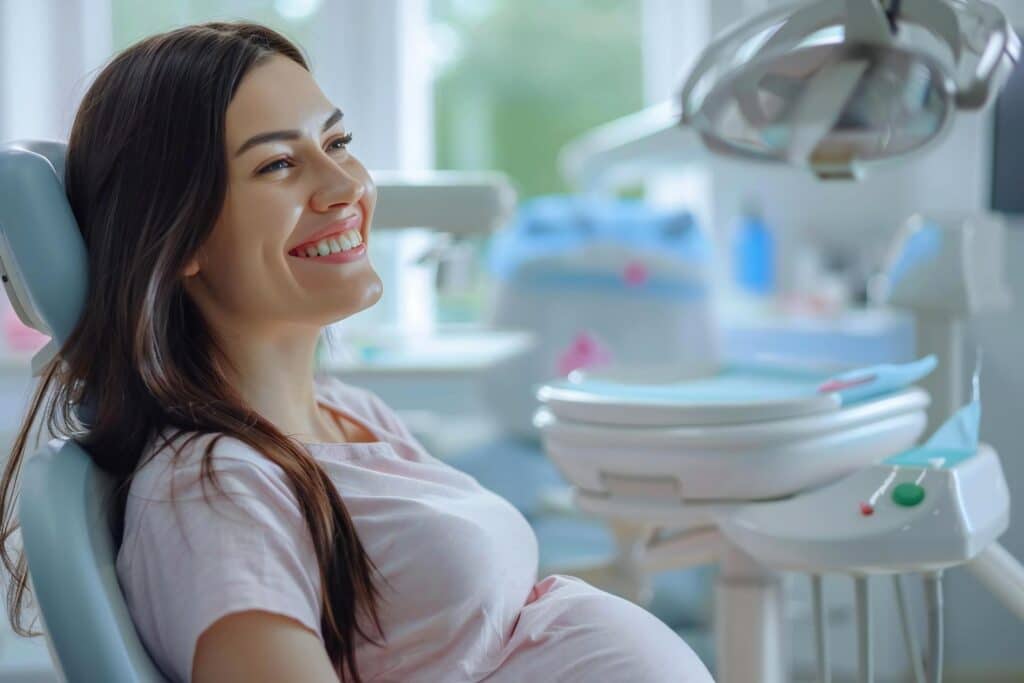
The Best Oral Health Practices for Expectant Mothers

Why We Get Teeth Stains and What Can You Do About It?
August 17, 2023
The Top 5 Reasons Why You May Be Prone to Cavities
August 31, 2023
Expectant mothers have unique needs when it comes to their oral health—but how can they ensure their teeth and gums are healthy throughout pregnancy? With the right habits and practices, expectant mothers can provide the best oral health care for themselves during this special time. From knowing the importance of regular dental check-ups to understanding how nutrition affects oral health, learn more about the best practices for maintaining your oral health during pregnancy.
How Oral Health Changes During Pregnancy
When you’re expecting, your body goes through major changes, and this is true for your mouth as well. During pregnancy, hormonal shifts can lead to an increase in plaque buildup on teeth. This can cause gingivitis, a form of gum disease which causes redness and inflammation of the gums. Untreated gingivitis can progress into periodontitis, a more serious condition that affects the tissue and bones around teeth. While gingivitis is usually reversible with proper care, periodontitis can be harder to treat.
Pregnancy and Periodontal Disease
Nearly 60 to 75% of pregnant women have gingivitis, an early stage of periodontal disease that occurs when the gums become red and swollen from inflammation that may be aggravated by changing hormones during pregnancy. If gingivitis is not treated, the bone that supports the teeth can be lost, and the gums can become infected. Teeth with little bone support can become loose and may eventually have to be extracted. Periodontitis has also been associated with poor pregnancy outcomes, including preterm birth and low birth weight. However, how periodontitis may lead to adverse pregnancy outcomes is not yet fully understood.
How Oral Health of Expectant Mothers Can Affect Their Baby
Your dental health during pregnancy is important not just for your own well-being, but for your baby’s too. Studies have shown that periodontitis can increase the risk of preterm birth and having a low birth weight baby. It’s essential to take care of your oral health during this time, as it will benefit both you and your baby.
The Best Oral Health Practices for Expectant Mothers
Expectant mothers should practice good oral hygiene habits to ensure their teeth and gums remain healthy. Here are the best practices for maintaining optimal dental health during pregnancy:
- Visit your dentist regularly. Regular checkups with your dentist can help prevent any dental problems from occurring or getting worse.
- Brush twice daily using a fluoride toothpaste. Brushing helps remove plaque buildup and bacteria from the teeth.
- Floss daily to remove food particles and bacteria that can get lodged between the teeth.
- Use mouthwash to help rinse away bacteria and neutralize acids that can cause tooth decay.
- Follow a healthy diet rich in vitamins, minerals, and other nutrients. This is beneficial for your developing baby as well as your oral health. Eating crunchy fruits and vegetables can help remove plaque from your teeth.
- Avoid sugary snacks and drinks as they can cause cavities.
- If you experience morning sickness, rinse your mouth with water or a fluoride mouthwash after vomiting to prevent the acid from damaging your tooth enamel.
By following these steps, expectant mothers can be sure that their oral health is in the best condition for themselves and their baby.
Is Dental Care Safe While Expecting?
Yes, dental care is safe during pregnancy. Your dentist can recommend treatments that are low risk and will not harm you or your baby. In some cases, such as when a woman has periodontal disease, it may be necessary to receive more intensive treatment during this time. Your dentist will work with you to determine the best plan of action for your individual situation.
It is important to inform your dentist that you are pregnant in order for them to provide the most appropriate care. Additionally, some medications and x-ray techniques used during dental treatments may not be safe for expectant mothers, so make sure to discuss any concerns with your dentist before treatment begins.
By following these tips and discussing any specific concerns with your healthcare provider or dentist, expectant mothers can be sure that they are taking the best possible care of their oral health during pregnancy. With regular check-ups, proper hygiene and nutrition habits, and safe dental treatments it’s possible to maintain healthy teeth and gums throughout this special time.
Make an Appointment with Premier Dentistry of Eagle
At Premier Dentistry of Eagle, we understand the special needs of expectant mothers and are dedicated to providing the best dental care for each individual patient. We offer comprehensive treatments that can help keep your teeth and gums healthy during pregnancy while also making sure you feel comfortable throughout the process. Schedule an appointment with us today to learn more about the best practices for maintaining your oral health during pregnancy. We look forward to helping you enjoy a healthy and happy smile!