The Secrets a Dental X-Ray Can Reveal About Your Oral Health

Follow These Dental Tips for Healthy Thanksgiving Smiles
November 27, 2024
Get the Perfect Smile You’ve Always Wanted with Premier Dentistry of Eagle
December 12, 2024
When you visit Premier Dentistry of Eagle, you may be asked to undergo a dental X-ray as part of your routine dental exam. While it might seem like just another part of the check-up process, dental X-rays are incredibly powerful tools that can reveal hidden issues in your mouth that aren’t visible during a regular exam. These images allow your dentist to look beneath the surface and provide a more accurate diagnosis, helping to ensure you receive the best possible care for your oral health.
In this blog, we’ll take a deep dive into what dental X-rays are, how they benefit your oral health, and what secrets they can reveal about the state of your teeth and gums.
What is a Dental X-Ray?
A dental X-ray is an image of your teeth, gums, and jawbone that helps your dentist see structures inside your mouth that can’t be viewed by the naked eye. During the procedure, a small amount of radiation is used to capture detailed images of your teeth and bone structure. The X-ray images can be taken from various angles, depending on what your dentist is looking for.
There are different types of dental X-rays, including:
- Bitewing X-rays: Used to capture the upper and lower teeth in one image, typically to check for cavities between the teeth.
- Periapical X-rays: Show the entire tooth, from the crown to the root, and are often used to identify issues with the root or bone.
- Panoramic X-rays: Capture the whole mouth, including all the teeth, jaws, and surrounding tissues, in a single image.
- Cone Beam CT: A more advanced form of 3D imaging used for complex cases, like dental implants or TMJ evaluations.
Now, let’s look at the specific insights that dental X-rays can provide about your oral health.
1. Detecting Cavities Early
One of the most common uses of dental X-rays is to detect cavities that may not yet be visible on the surface. Cavities often begin between the teeth or beneath the enamel, where a regular visual exam won’t catch them. A dental X-ray can reveal early signs of tooth decay, allowing your dentist to address it before it progresses and causes more extensive damage.
Why it’s important:
Catching cavities early means less invasive treatment, such as fillings, and less risk of the decay spreading to the tooth’s pulp or surrounding teeth.
2. Identifying Gum Disease
Gum disease (or periodontal disease) affects the tissues that support your teeth and can cause tooth loss if left untreated. While the early signs of gum disease, like redness, swelling, and bleeding gums, are visible during a dental exam, X-rays are crucial for assessing the health of the bone beneath the gums. In advanced cases, gum disease can lead to bone loss, which can be detected through X-ray imaging.
Why it’s important:
Detecting bone loss early can help prevent further damage and ensure that your treatment plan addresses the full scope of the problem. It also helps your dentist monitor the effectiveness of any treatments you’re undergoing, like scaling and root planing.
3. Revealing Impacted Teeth
An impacted tooth is one that doesn’t have enough room to emerge properly, often causing pain, misalignment, or infection. This is especially common with wisdom teeth, but any tooth can become impacted. Dental X-rays provide a clear view of how teeth are positioned in your jaw, revealing any potential impactions.
Why it’s important:
If left untreated, impacted teeth can cause serious problems, such as pain, infection, and damage to neighboring teeth. X-rays help your dentist plan the best course of action, whether that involves extraction or another solution.
4. Assessing Tooth and Bone Development in Children
For children, dental X-rays are used to monitor the development of teeth and bones. X-rays can reveal if teeth are emerging properly, help identify potential alignment issues, and track the development of adult teeth. This is especially helpful for children who may be experiencing delayed or misaligned teeth eruption. This could lead to orthodontic treatment in the future.
Why it’s important:
Regular X-rays in children’s exams allow dentists to catch developmental issues early and intervene before they become major problems. For example, if baby teeth need to be extracted to make room for adult teeth, this can be identified early with an X-ray.
5. Detecting Abscesses and Infections
Dental abscesses, are pockets of pus that can develop at the root of a tooth or in the surrounding bone. Abscesses can occur when bacteria invade the tooth or gums, often due to untreated cavities, gum disease, or trauma. While you may not notice an abscess right away, dental X-rays can reveal the infection’s location, size, and severity.
Why it’s important:
Abscesses can lead to severe pain, swelling, and even tooth loss if not treated quickly. Identifying infections early allows your dentist to treat the condition effectively with root canal therapy, antibiotics, or drainage before it leads to more serious complications.
6. Planning for Dental Implants and Other Restorations
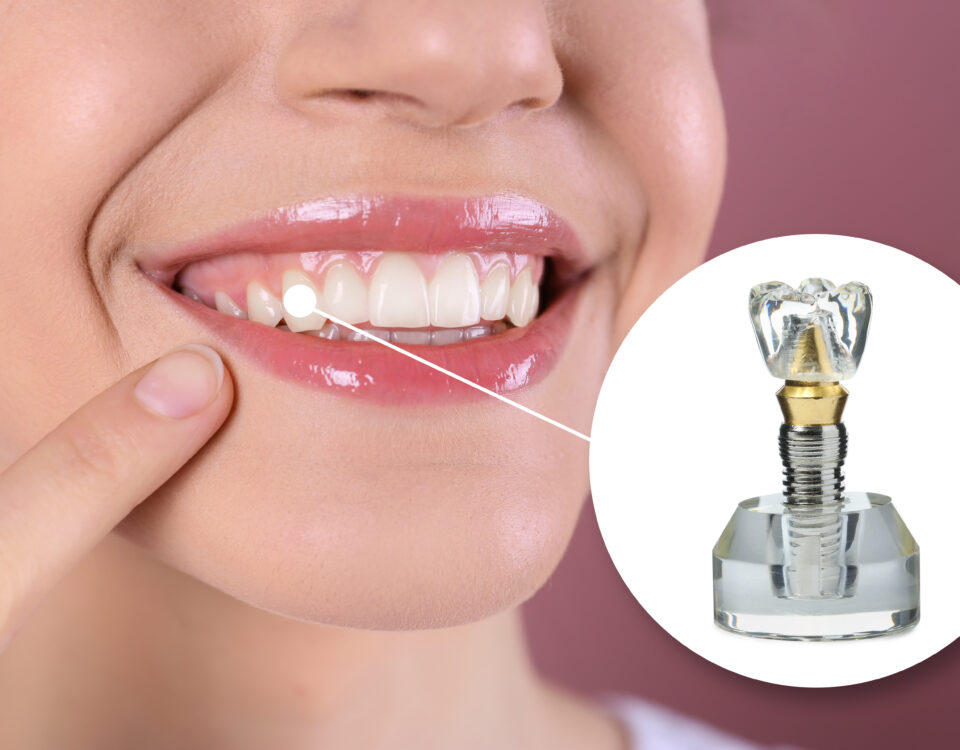
If you’re considering dental implants, crowns, or bridges, dental X-rays are critical for assessing your jawbone’s health and structure. A good bone structure is essential for the success of implants, so X-rays help your dentist plan the procedure and determine if additional treatments, like bone grafting, are necessary before implants can be placed.
Why it’s important:
Accurate planning of your dental restoration procedure ensures that the implants or other prosthetics are placed in the optimal position, minimizing complications and maximizing long-term success.
7. Monitoring Jawbone and TMJ Health
Your dentist can also use X-rays to assess the health of your jawbone and the temporomandibular joint. This joint is what connects your jaw to your skull. If you’re experiencing symptoms of TMJ disorders (such as jaw pain, clicking, or difficulty chewing), X-rays can help determine if there’s an issue with the joint, bone structure, or alignment of your teeth.
Why it’s important:
TMJ disorders and jawbone issues can affect your bite and cause significant discomfort. X-rays help your dentist diagnose the problem and develop an appropriate treatment plan. This may include splints, physical therapy, or even surgery in severe cases.
8. Tracking the Progress of Previous Treatments
If you’ve undergone treatment for a previous dental issue—like root canal therapy, fillings, or gum disease treatment—your dentist may recommend follow-up X-rays to monitor the success of the treatment. X-rays allow your dentist to see how well the tooth or surrounding area is healing and if any additional treatment is needed.
Why it’s important:
Follow-up X-rays ensure that the previous treatment was successful and that your oral health is continuing to improve. They help prevent the development of new issues that could be related to untreated areas.
The Power of X-Rays in Protecting Your Oral Health
Dental X-rays are a valuable tool that help your dentist detect and diagnose a wide variety of oral health issues. These are issues that may not be visible during a routine exam. X-rays give your dentist a clearer, more comprehensive view of your oral health.
At Premier Dentistry of Eagle, we are committed to providing you with the best possible care, and that includes using advanced diagnostic tools like dental X-rays. If you’re due for a checkup or have concerns about your oral health, contact us today to schedule an appointment. Let us help you keep your smile healthy and bright for years to come!