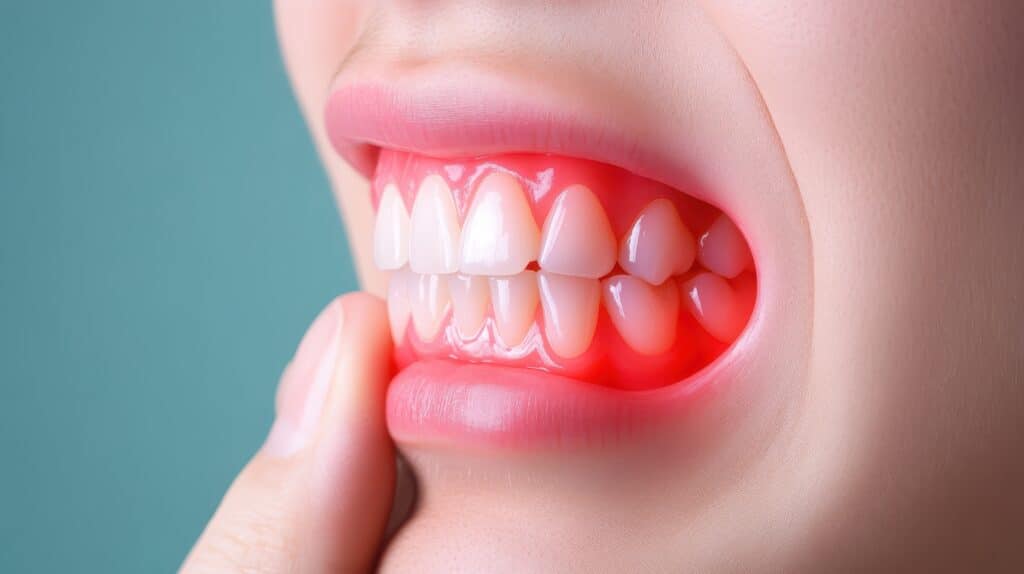
Why Your Dental Routine Might Need a Winter Upgrade

The Tooth-Whitening Diet: Foods That Naturally Brighten (and Stain) Your Smile
November 12, 2025
What We’re Thankful for This Thanksgiving
November 24, 2025
As temperatures drop in Eagle, Idaho, winter brings plenty of seasonal changes—from cozy sweaters and hot drinks to drier air and fluctuating indoor heat. But while most people adjust their skincare routines, wardrobes, and even car maintenance for the colder months, many don’t realize their oral health needs a winter upgrade too. Winter weather can create unique challenges for your teeth and gums, making it essential to adjust your dental care routine to stay healthy all season long.
At Premier Dentistry of Eagle, we help patients protect their smiles year-round with personalized care and preventive strategies. Here’s why winter requires a little more attention—and what you can do to keep your teeth strong, bright, and pain-free through the colder months.
How Winter Weather Affects Your Teeth
Cold temperatures and dry indoor environments may seem harmless, but they can significantly impact your oral health. Here are some of the most common winter-specific issues that patients experience.
1. Increased Tooth Sensitivity
When the cold air hits your teeth, the temperature change can cause enamel to contract. Over time, this can lead to microscopic cracks or expose already-sensitive areas. If you’ve ever inhaled icy air and felt a sudden zing, you know how uncomfortable winter sensitivity can be.
Cold weather also intensifies sensitivity caused by:
-
Enamel erosion
-
Gum recession
-
Thin or weakened enamel
-
Untreated cavities
If your teeth feel more sensitive than usual during the winter months, it’s a sign that your routine may need adjusting.
2. Seasonal Dry Mouth
Winter air is naturally dry. Combine that with indoor heating and you have the perfect recipe for dry mouth—one of the most overlooked oral health concerns.
Saliva is essential for:
-
Neutralizing acids
-
Washing away food particles
-
Preventing cavities
-
Supporting healthy gums
Without enough saliva, harmful bacteria multiply faster, leading to bad breath, tooth decay, and gum irritation. People who breathe through their mouths more in winter (often due to congestion or allergies) are especially at risk.
3. Higher Risk of Gum Inflammation
Cold and flu season takes a toll on the immune system. When your body is busy fighting off viruses, your gums may be more prone to inflammation and irritation. Conditions like gingivitis can worsen during the winter if not monitored closely.
Additionally, decongestants and some cold medications can contribute to dry mouth, amplifying the problem.
4. Hot and Cold Temperature Swings
Fluctuating between hot drinks like coffee or tea and freezing outdoor temperatures can stress your enamel. These rapid temperature changes can worsen sensitivity and increase the risk of enamel damage or cracks.
5. Holiday Habits
Between sugary desserts, festive drinks, and irregular schedules, winter eating habits don’t always support optimal oral health. Even a few weeks of higher sugar intake can lead to plaque buildup if you aren’t diligent with your dental routine.
Why a Winter Upgrade Is Essential
Making seasonal adjustments to your oral care routine helps prevent small issues from becoming major dental concerns. Here’s why upgrading your habits helps protect your smile all winter.
Strengthening Weakened Enamel
Enamel naturally becomes more vulnerable during winter due to dryness, acidity, and temperature changes. Tailoring your routine can reinforce enamel and reduce the risk of sensitivity, decay, and long-term tooth damage.
Supporting Gum Health
Gum inflammation and illness-related dry mouth are common this time of year. Enhancing your dental habits helps keep your gums resilient and reduces the risk of gum disease.
Preventing Cavities and Decay
With holiday sweets and seasonal drinks, cavity risk tends to increase during winter. A winter-focused dental routine helps offset these additional factors.
Boosting Overall Oral Comfort
Sensitivity, dry mouth, and inflamed gums can make winter uncomfortable. Adjustments help you stay pain-free and enjoy your favorite seasonal activities without worry.
Signs Your Winter Dental Routine Needs an Upgrade
If you notice any of the following changes during the winter months, it may be time to update your dental care habits.
-
Increased sensitivity to cold air or hot beverages
-
Dry or sticky mouth
-
Chapped lips despite regular hydration
-
Bleeding gums when brushing or flossing
-
More frequent headaches or jaw discomfort
-
Bad breath that doesn’t improve with brushing
-
New dark spots on teeth or rough enamel patches
These symptoms may signal changes in your oral environment caused by winter weather.
How to Upgrade Your Dental Routine This Winter
Fortunately, making a few simple changes can help protect your oral health all season long. Here’s how to winter-proof your smile.
1. Switch to a Sensitivity Toothpaste
If you notice increased tooth sensitivity, consider using a toothpaste formulated for sensitive teeth. These products help block nerve pathways and strengthen enamel over time.
Look for toothpaste containing:
-
Potassium nitrate
-
Fluoride
-
Stannous fluoride
Using it consistently (not just when pain occurs) provides the best results.
2. Stay Hydrated
Because dry winter air dehydrates your body faster, drinking enough water is essential for maintaining saliva levels. Aim for steady hydration throughout the day, not just at mealtimes.
If dry mouth persists, consider using:
-
Sugar-free xylitol mints or gum
-
A humidifier in your home
-
Saliva-boosting gels or rinses
3. Limit Acidic and Sugary Winter Treats
Popular winter drinks like hot cocoa, peppermint mochas, and holiday cocktails are often high in sugar. Sipping them slowly over time increases cavity risk.
Tips for enjoying seasonal favorites safely:
-
Drink through a straw when possible
-
Rinse with water afterward
-
Avoid brushing immediately after acidic drinks
-
Enjoy sweets with meals instead of as frequent snacks
4. Keep Your Lip and Gum Care Consistent
Dry lips and irritated gums often go hand-in-hand. Winter is the perfect time to be extra attentive.
Try adding:
-
A moisturizing lip balm
-
Warm salt-water rinses
-
A gentle electric toothbrush
-
A hydrating mouthwash
These small steps can help ease inflammation and dryness.
5. Breathe Through Your Nose When Possible
Cold weather and seasonal allergies may make nose-breathing difficult, but mouth breathing significantly worsens dry mouth. Using a humidifier, addressing congestion, and staying hydrated can help.
6. Maintain Your Routine Dental Cleanings
Winter is an ideal time to schedule your dental exam, especially before the busy holidays. Exams help catch problems like cavities or gum disease early, when they’re easiest to treat.
During your winter checkup, we can also:
-
Address sensitivity
-
Apply fluoride treatments
-
Recommend products for dry mouth
-
Identify enamel erosion
-
Ensure your gums stay healthy throughout cold and flu season
7. Protect Your Teeth From Temperature Shock
Avoid rapid changes between hot and cold temperatures. For example:
-
Let hot drinks cool slightly before sipping
-
Cover your mouth with a scarf when outside
-
Avoid chewing ice or biting into extremely cold foods
These small habits help reduce the risk of enamel cracks or sensitivity.
When to See Your Dentist
If sensitivity worsens or you’re experiencing signs of decay or gum irritation, don’t wait until spring to schedule an appointment. Winter may reveal early signs of dental problems—and addressing them sooner prevents more complicated issues later.
You should schedule a visit if you notice:
-
Persistent or worsening tooth pain
-
Sensitivity that lasts longer than 30 seconds
-
Swelling or bleeding gums
-
A cracked, chipped, or discolored tooth
-
Lingering dry mouth despite home care
Premier Dentistry of Eagle is here to help you stay comfortable and healthy all winter long.
Protect Your Smile This Winter With Premier Dentistry of Eagle
Winter conditions can challenge your teeth and gums in ways you may not expect, but the good news is that small changes can make a big difference. By updating your dental routine, staying hydrated, and scheduling regular checkups, you can protect your smile from winter-related issues and enjoy the season with confidence.
At Premier Dentistry of Eagle, our team provides personalized care to keep your smile strong all year long. Whether you’re dealing with sensitivity, dry mouth, or simply want to start the year with a healthier routine, we’re here to help.
Schedule your winter dental exam today and give your smile the protection it deserves.