Gum Disease Awareness Month: The Best Tips for Gum Care

Pregnancy Dental Care: What Mothers Need to Know
February 3, 2022
Teaching Your Children Healthy Dental Habits: Children’s Dental Health Month
February 17, 2022
February is Gum Disease Awareness Month. Poor gum health can lead to a number of oral health problems, so it’s important to make gum care a priority. In this article, Premier Dentistry of Eagle will discuss the best tips for keeping your gums healthy and free from disease.
Gum Disease Awareness Month
Gum Disease Awareness Month is a time dedicated to highlighting the dangers of poor gum health and teaching people how to prevent it. While gum disease is a serious condition, there are ways to get on the path towards better oral hygiene.
What is Gum Disease?
Gum disease is perhaps one of the most common oral conditions. It happens when plaque forms tartar and leads to gingivitis. The plaque and tartar irritate the gums, causing them to become inflamed, red, swollen and bleed easily. Eventually, this irritation can cause an infection which can lead to a gum disease called periodontitis. If left untreated for too long, the teeth could come loose or fall out completely.
Symptoms of Gum Disease
There are a number of serious symptoms that could mean you have gum disease. These include:
- Bleeding Gums : If you have bleeding gums during brushing or flossing, this could be a sign of poor dental health. Bleeding gums are often an indicator of gum disease, so it’s important to consult your dentist if this is the case. Gum disease is not something to be ignored, as it can lead to even more problems if left untreated.
- Bad Breath : Sometimes gum disease causes bad breath, so if you notice your mouth smells worse than usual this could be an indicator of trouble. If you find yourself constantly worrying about your bad breath or brushing and flossing your teeth multiple times per day in order to cover it up, this is a good sign that you could be suffering with gum disease.
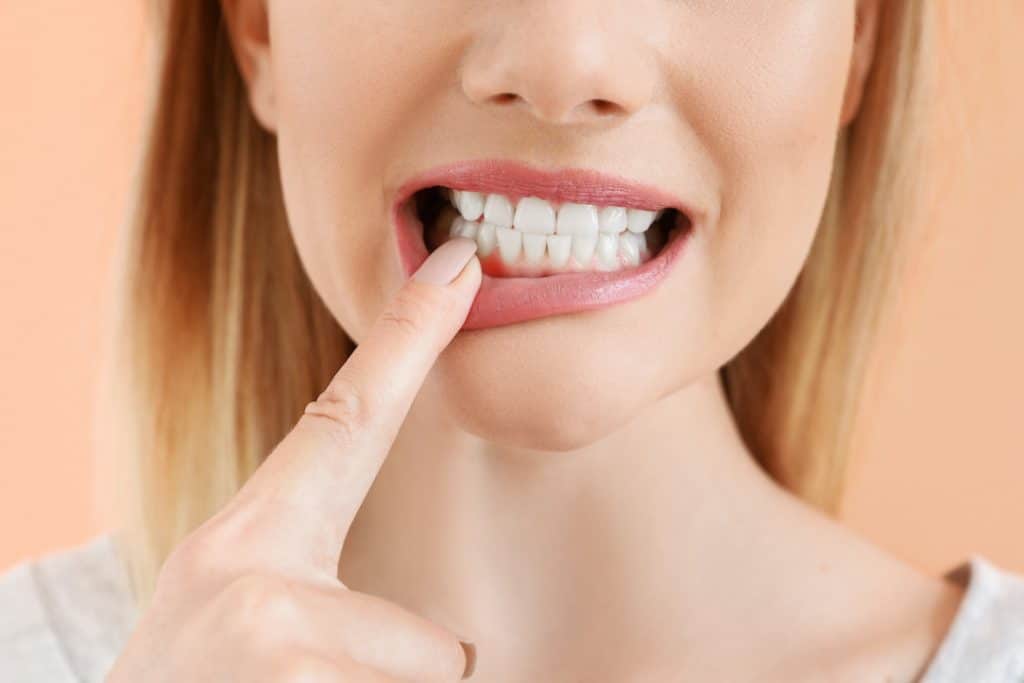
- Red and Swollen Gums : Sometimes the gums will swell when they become irritated. This causes the teeth to become more tightly pressed together and also makes them more sensitive to temperature changes. If your gums look swollen or red, it’s important to take note and speak with your dentist right away.
- Discoloration of the Teeth: If you notice that your teeth become darker in color this could be a sign of gum disease. The tartar build up causes yellow patches which begin to look brownish when left untreated for too long.
What Causes Gum Disease?
There are many risk factors for gum disease, including smoking and poor oral hygiene. Gum disease is an inflammatory condition, so anything that can cause inflammation can raise a person’s risk of developing it. Risk factors of developing gum disease include:
- Gingivitis
- Poor oral health habits
- Smoking or chewing tobacco
- Hormonal changes, such as those related to pregnancy or menopause
- Recreational drug use, such as smoking marijuana or vaping
- Obesity
- Inadequate nutrition, including vitamin C deficiency
- Genetics
- Certain medications that cause dry mouth or gum changes
- Conditions that cause decreased immunity, such as leukemia, HIV/AIDS and cancer treatment
- Certain diseases, such as diabetes, rheumatoid arthritis and Crohn’s disease
Prevention
The best way to prevent gum disease is by practicing good oral health. Prevention involves cleaning your teeth correctly and visiting the dentist at least twice a year for professional cleanings, exams and x-rays. Since some people struggle with their dental hygiene, even if it’s because they don’t have access to oral care, there are still ways to practice good oral health.
Good Oral Health Practices
WebMD offers some tips for good oral health practices to prevent gum disease , which include:
- Brush your teeth twice a day. Use a soft-bristled brush and fluoride toothpaste. Replace your toothbrush every 3 months, or sooner if the bristles become frayed. Old, worn-out ones won’t clean teeth as well. Brushing gets rid of plaque on the surfaces of the teeth that can be reached.
- Flossing removes food particles and plaque from in between the teeth and under the gum line. Floss every day. Don’t wait until something gets stuck between your teeth. Daily flossing gets plaque out of places your toothbrush can’t reach. You can also try interdental cleaners, picks, or small brushes that fit in between teeth. Ask your dentist how to use them so you don’t damage your gums.
- Rinse your mouth. Antibacterial mouthwash not only prevents gingivitis, it fights bad breath and plaque. Antibacterial rinses can reduce bacteria that cause plaque and gum disease, according to the American Dental Association. Ask your dentist which mouthwash would work best for you.
Fight Gum Disease with Premier Dentistry of Eagle
If you’re concerned that you have gum disease, make an appointment with Premier Dentistry of Eagle now. Gum Disease Awareness Month is the perfect time to take charge of your dental health. Our dentist, Dr. Shane Porter, and our team are here to give you a healthy smile with no signs of disease. Call us today: (208) 546-0655.