
The Symptoms of Xerostomia and How to Treat It

Strengthening Your Tooth Enamel at Home
October 5, 2023
Taking Care of Your Oral Health as You Age
October 19, 2023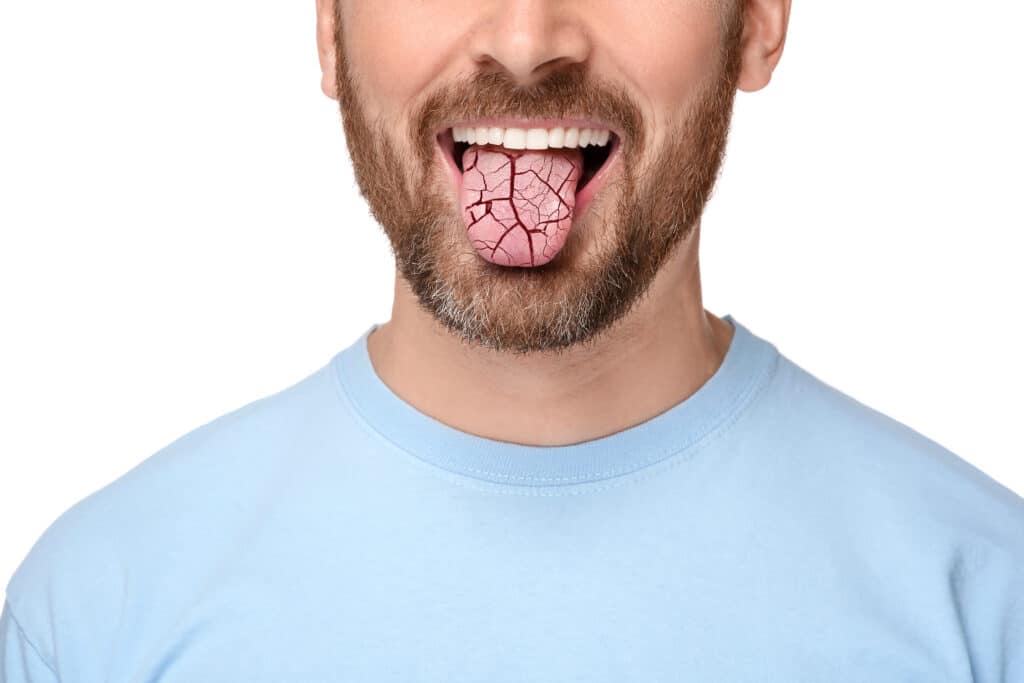
Xerostomia, also known as dry mouth, is a common medical condition that affects people of all ages. This condition occurs when there is a decrease in the production of saliva in the mouth. Saliva is important for preventing tooth decay, aiding digestion, and keeping the mouth moist. If left untreated, xerostomia can lead to various oral health problems such as gum disease and tooth decay. In this blog post, we will discuss the symptoms of xerostomia and how to treat it effectively.
What is Xerostomia?
Dry mouth, or xerostomia, refers to a condition in which the salivary glands in your mouth don’t make enough saliva to keep your mouth wet. Dry mouth is often due to the side effects of certain medications or aging issues or as a result of radiation therapy for cancer. Less often, dry mouth may be caused by a condition that directly affects the salivary glands.
Saliva helps prevent tooth decay by neutralizing acids produced by bacteria, limiting bacterial growth and washing away food particles. Saliva also enhances your ability to taste and makes it easier to chew and swallow. In addition, enzymes in saliva aid in digestion.
Decreased saliva and dry mouth can range from being merely a nuisance to something that has a major impact on your general health and the health of your teeth and gums, as well as your appetite and enjoyment of food.
Symptoms of Xerostomia
The common symptoms of xerostomia include a dry feeling in the mouth, cracked lips, a sticky or dry feeling in the throat, a sore throat, difficulty swallowing, bad breath, and a change in taste. The decrease in saliva production can also make it difficult to chew, swallow, and speak. These symptoms can also lead to oral health problems such as tooth decay, gum disease, and oral infections.
Causes
There are several factors that can cause xerostomia such as dehydration, side effects of medication, radiation therapy, nerve damage, autoimmune diseases, and tobacco use. Aging is also a major factor that contributes to the decrease in saliva production as we age.
Treatment for Xerostomia
The treatment for xerostomia depends on the underlying cause of the condition. If xerostomia is caused by medication, changing the medication or adjusting the dosage may help alleviate the symptoms. Staying hydrated by drinking plenty of water also helps in relieving dry mouth. Chewing sugar-free gum or candies can also help increase saliva production. Using a humidifier can help moisten the air and relieve dry mouth symptoms. Saliva substitute products such as oral moisturizers and sprays can provide temporary relief from dry mouth symptoms.
If you have severe dry mouth, your dentist may:
- Prescribe medication that stimulates saliva. Your doctor may prescribe pilocarpine (Salagen) or cevimeline (Evoxac) to stimulate saliva production.
- Protect your teeth. To prevent cavities, your dentist might fit you for fluoride trays, which you fill with fluoride and wear over your teeth at night. Your dentist may also recommend weekly use of a chlorhexidine rinse to control cavities.
Prevention
Prevention of xerostomia includes drinking plenty of water to stay hydrated and avoiding beverages that can cause dehydration such as coffee and alcohol. Chewing sugar-free gum or candies also helps in preventing dry mouth symptoms. Brushing and flossing daily and visiting your dentist regularly can help prevent oral health problems that can be caused by dry mouth.
Importance of Seeking Professional Help
If you experience persistent dry mouth symptoms, it is important to seek professional help from Premier Dentistry of Eagle. We can help determine the underlying cause of the condition and recommend appropriate treatment. This will help prevent oral health problems that can be caused by dry mouth and improve your overall oral health.
Xerostomia or dry mouth is a common medical condition that affects many people. The symptoms of xerostomia can range from mild discomfort to severe health problems. It is important to recognize the symptoms of xerostomia and seek professional help to prevent oral health problems. By staying hydrated, chewing sugar-free gum or candies, and visiting your dentist regularly, you can prevent the symptoms of xerostomia and maintain good oral health.
Make an Appointment with Premier Dentistry of Eagle
If you are experiencing symptoms of xerostomia or have concerns about your oral health, make an appointment with Premier Dentistry of Eagle today. Our team of experienced professionals can help diagnose and treat any underlying causes of dry mouth and provide personalized care to keep your mouth healthy. Don’t let dry mouth affect your quality of life – contact us today for a consultation. Remember, prevention and early treatment are key to maintaining a healthy smile!