Why Preventive Dental Care Is the Key to a Healthy Smile

National Align Your Teeth Day: The Benefits of a Straighter Smile
August 13, 2026
Back-to-School Smile Tips for the Whole Family
August 27, 2026
A healthy smile doesn’t happen by accident. While brushing and flossing every day are essential, maintaining your oral health involves more than what you do at home. Regular dental visits and preventive care can help identify potential problems early, protect your teeth and gums, and support a healthy smile for years to come.
Preventive dentistry focuses on stopping dental problems before they become more serious. Instead of waiting until you experience a toothache or another noticeable symptom, preventive care helps your dental team monitor your oral health and address concerns as early as possible.
For patients in Eagle, making preventive dental care part of your routine can be one of the most valuable things you do for your smile.
What Is Preventive Dentistry?
Preventive dentistry includes the habits, treatments, and professional services designed to maintain your oral health and reduce your risk of developing dental problems.
This can include:
- Routine dental examinations
- Professional dental cleanings
- Dental X-rays when appropriate
- Fluoride treatments
- Oral cancer screenings
- At-home brushing and flossing
- Protective treatments such as dental sealants
- Personalized oral hygiene recommendations
Preventive care isn’t exactly the same for everyone. Your dentist can recommend a schedule and treatment plan based on your age, oral health, medical history, risk factors, and individual needs.
Regular Dental Exams Can Catch Problems Early
One of the most important parts of preventive dentistry is the routine dental examination.
You may not always notice a cavity, early gum disease, or another dental problem in its beginning stages. Some conditions can develop without causing obvious symptoms.
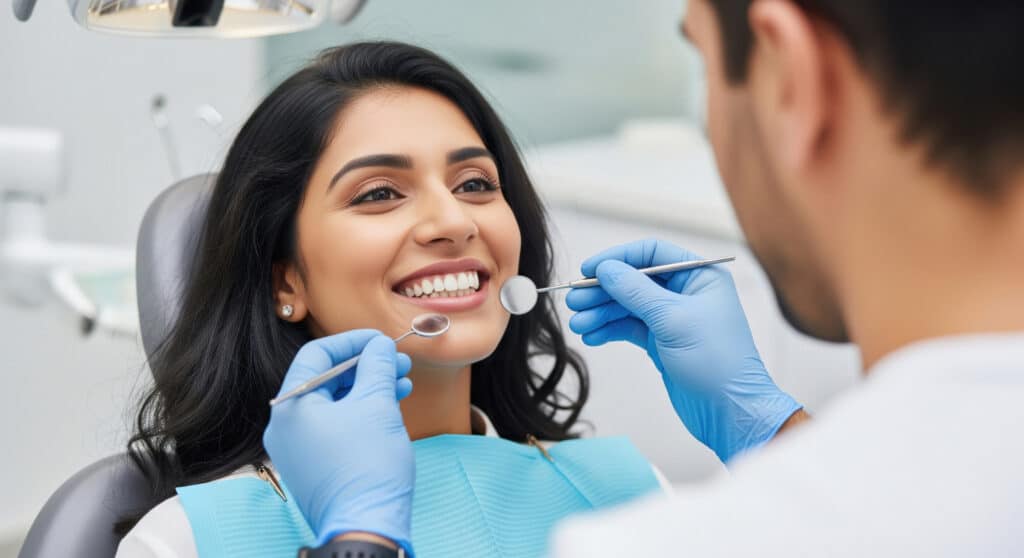
During an examination, your dentist can look for signs of potential concerns and monitor changes in your oral health over time.
Finding a problem early may allow it to be treated before it becomes more complicated.
For example, a small cavity may be easier to address than a tooth that has developed extensive decay and requires more involved treatment.
Professional Cleanings Remove More Than You Can at Home
Even people who brush and floss consistently can develop plaque and tartar buildup.
Plaque is a sticky film containing bacteria that develops on your teeth. When plaque isn’t removed, it can harden into tartar, which cannot be effectively removed with a regular toothbrush.
Professional dental cleanings allow your dental team to remove buildup from areas that may be difficult to clean at home.
Keeping up with professional cleanings can support healthier teeth and gums while complementing your daily oral hygiene routine.
Preventive Care Can Help Protect Your Gums
Healthy gums are an important part of a healthy smile.
Gum disease can begin with gingivitis, which may cause symptoms such as red, swollen, or bleeding gums. Without appropriate care, gum disease can progress and affect the tissues and bone supporting your teeth.
Regular dental visits allow your dentist to monitor your gums and identify signs of gum disease.
Your dental team can also show you effective brushing and flossing techniques and recommend products that may be helpful for your individual needs.
Cavities Are Easier to Prevent Than Treat
Cavities are one of the most common oral health problems, but many can be prevented with consistent dental care.
Bacteria in plaque use sugars and starches from foods and beverages to produce acids that can damage tooth enamel. Over time, this process can lead to tooth decay.
You can help reduce your risk by:
- Brushing twice a day with fluoride toothpaste
- Cleaning between your teeth daily
- Limiting frequent sugary snacks and drinks
- Drinking water regularly
- Visiting your dentist for routine care
Depending on your risk level, your dentist may also recommend additional preventive treatments.
Fluoride Can Strengthen Tooth Enamel
Fluoride is a naturally occurring mineral that can help strengthen tooth enamel and make teeth more resistant to acid attacks.
Many people receive fluoride through fluoridated community water and fluoride toothpaste. In some cases, your dentist may recommend a professional fluoride treatment based on your individual risk for tooth decay.
Your dental team can help determine whether additional fluoride protection is appropriate for you.
Dental Sealants Can Protect Certain Teeth
Dental sealants are thin protective coatings that can be applied to the grooves and pits of certain teeth, particularly the chewing surfaces of back teeth.
These grooves can sometimes be difficult to clean thoroughly with a toothbrush. A sealant can provide an additional layer of protection against food particles and bacteria.
Sealants are commonly associated with children’s dentistry, but certain adults may benefit from them as well.
Your dentist can determine whether sealants are appropriate based on your individual oral health needs.
Preventive Dentistry Can Save You Time and Discomfort
Nobody wants to deal with an unexpected toothache, broken filling, or dental emergency.
While preventive care cannot guarantee that dental problems will never occur, regular visits can help identify and manage potential concerns before they become emergencies.
Addressing a developing problem early may also mean a simpler treatment process.
For example, treating early-stage tooth decay may require a relatively straightforward restoration, while advanced decay can sometimes lead to infection and the need for more extensive treatment.
Your Daily Routine Matters
Professional dental care is only one part of prevention. What you do at home every day has a major impact on your oral health.
A strong daily routine includes brushing your teeth twice a day for approximately two minutes with fluoride toothpaste and cleaning between your teeth at least once a day.
It’s also important to replace your toothbrush or toothbrush head regularly, particularly when the bristles become worn or damaged.
If you’re unsure whether your current routine is effective, ask your dental team for personalized recommendations.
Your Diet Can Affect Your Oral Health
The foods and beverages you consume can also influence your risk of tooth decay.
Frequent exposure to sugary foods and drinks can give oral bacteria more opportunities to produce acids that attack enamel.
You don’t necessarily need to eliminate every sweet treat. Instead, consider limiting how frequently your teeth are exposed to sugar and choosing nutritious foods as part of a balanced diet.
Water is also an excellent beverage choice for your teeth because it helps rinse away food particles and does not contain added sugar.
Don’t Wait Until Something Hurts
One of the biggest misconceptions about dental care is that you only need to visit the dentist when something feels wrong.
Unfortunately, many dental problems don’t cause noticeable symptoms right away.
By the time you experience significant pain, a problem may already be more advanced.
Routine preventive appointments allow your dentist to monitor your oral health even when you feel perfectly fine.
That makes preventive dentistry an important part of protecting your smile—not simply something you do when there’s a problem.
Preventive Care Is Important at Every Age
Children, teenagers, adults, and older adults can all benefit from preventive dental care.
Children may need guidance establishing proper brushing and flossing habits, while teenagers may face changing oral hygiene needs related to orthodontic treatment or lifestyle changes.
Adults may need to manage issues such as gum disease, tooth wear, cavities, or previous dental work. Older adults can experience additional concerns, including dry mouth, root decay, and changes associated with medications or other health conditions.
Your dental needs can change throughout your life, which is why ongoing preventive care matters.
Make Your Smile a Priority
A healthy smile requires consistent attention, but preventive dental care doesn’t have to be complicated.
Brush and floss every day. Make thoughtful choices about foods and beverages. Protect your teeth when participating in activities that could cause dental injuries. Most importantly, maintain regular dental appointments so your dentist can monitor your oral health and address concerns early.
At Premier Dentistry of Eagle, we believe prevention is an important part of maintaining a healthy smile. Our team can help you understand your individual oral health needs and develop a preventive care routine designed to keep your teeth and gums healthy.
Don’t wait for a dental problem to tell you it’s time for a visit. Make preventive care part of your routine and give your smile the attention it deserves.