Is Your Toothbrush Still Doing Its Job?

Why Healthy Gums Matter Just as Much as Healthy Teeth
July 9, 2026
How to Protect Your Smile During Summer Sports
July 23, 2026
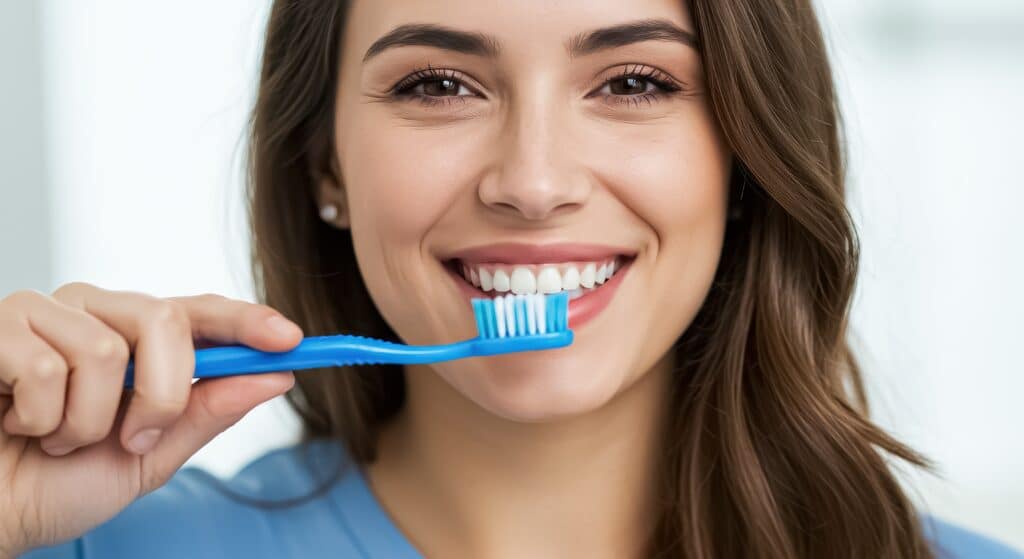
Most of us use our toothbrush every day without giving it much thought. But even the best toothbrush won’t work effectively forever. Over time, bristles wear down, bacteria can accumulate, and your brush may become less capable of keeping your teeth and gums healthy.
If you can’t remember the last time you replaced your toothbrush, it may be time to take a closer look. At Premier Dentistry of Eagle, we encourage patients to pay attention to the condition of their toothbrushes, since this small habit can have a big impact on oral health.
Here’s how to tell whether your toothbrush is still doing its job.
Toothbrush Bristles Wear Out Over Time
Every time you brush, your toothbrush bristles experience wear and tear. After a few months of regular use, the bristles begin to lose their shape and effectiveness.
Signs that your brush may need replacing include:
- Frayed or bent bristles
- Flattened brush heads
- Discoloration
- Loose bristles
- Reduced cleaning performance
Worn bristles are less effective at removing plaque and cleaning along the gumline.
Dentists Recommend Replacing Your Toothbrush Regularly
Most dentists recommend replacing your toothbrush—or your electric brush head—every three to four months.
You may need to replace it sooner if:
- The bristles are visibly worn
- You brush aggressively
- You recently recovered from an illness
- The toothbrush has been damaged
Setting a reminder on your phone or replacing your toothbrush with each season can make it easier to stay on schedule.
Old Ones May Not Clean as Well
Brushing your teeth twice a day is important, but the quality of your toothbrush matters, too.
A toothbrush with worn bristles may struggle to:
- Remove plaque effectively
- Reach between teeth
- Clean along the gumline
- Remove food particles
This can increase your risk of cavities, bad breath, and gum disease.
Bacteria Can Build Up on Your Toothbrush
Your toothbrush naturally comes into contact with bacteria every time you use it. While rinsing it after brushing helps, they can still collect germs over time.
To keep your toothbrush as clean as possible:
- Rinse it thoroughly after each use
- Store it upright so it can air dry
- Avoid covering it with a cap for long periods
- Keep it separate from other toothbrushes
If your brush has an unusual odor or visible buildup, it’s time for a replacement.
Brushing Too Hard Can Shorten Your Toothbrush’s Life
Many people assume that brushing harder means cleaning better, but excessive pressure can damage both your brush and your teeth.
Brushing too aggressively may:
- Wear down bristles faster
- Irritate your gums
- Contribute to gum recession
- Increase tooth sensitivity
A gentle brushing technique with a soft-bristled brush is usually the best choice.
What About Electric Toothbrushes?
Electric toothbrushes can be highly effective, but their brush heads still need regular replacement.
Just like manual ones, electric brush heads should generally be changed every three to four months—or sooner if the bristles show signs of wear.
Some electric toothbrushes even include indicator bristles that fade over time to signal when it’s time for a new brush head.
Children’s May Need Replacing More Often
Kids tend to be a little tougher on their toothbrushes than adults. Chewing on the bristles, brushing too forcefully, and everyday wear can shorten the lifespan of a child’s brush.
Check your child’s brush regularly for:
- Frayed bristles
- Bite marks
- Damage to the handle
- Discoloration
Replacing children’s toothbrushes frequently helps ensure they continue cleaning effectively.
Your Toothbrush Is Only One Part of the Equation
Even a brand-new toothbrush can’t do all the work alone. Maintaining good oral health also requires:
- Brushing twice a day with fluoride toothpaste
- Flossing daily
- Limiting sugary foods and drinks
- Drinking plenty of water
- Visiting your dentist regularly
These habits work together to protect your smile.
Don’t Forget to Replace Your Toothbrush
Replacing your toothbrush is one of the easiest ways to improve your oral health. It only takes a few seconds to switch out an old brush, but doing so can help keep your teeth cleaner and your gums healthier.
At Premier Dentistry of Eagle, we’re here to help patients build healthy habits that support lifelong smiles.
Schedule your next dental appointment today and make sure your toothbrush—and your oral care routine—is still doing its job.