Sleep Apnea and Your Oral Health: What Your Dentist Can Look For

Replace Missing Teeth with Dental Implants at Premier Dentistry
September 10, 2026
Dental X-Rays: Why Your Dentist Needs to See More Than Your Smile
September 24, 2026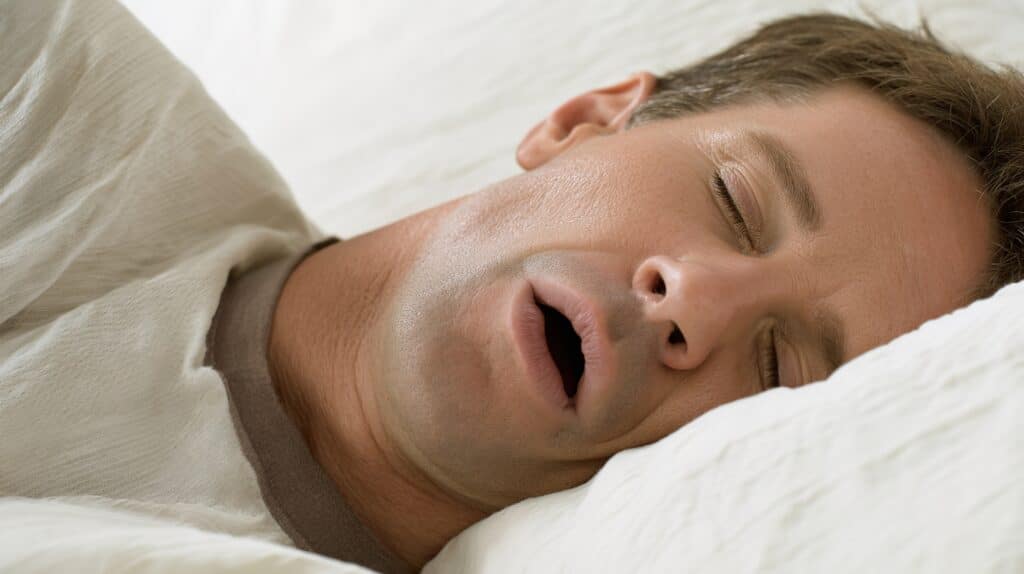
Snoring, waking up with a dry mouth, morning headaches, and feeling tired even after a full night of sleep may seem unrelated to your dental health. However, your mouth, jaw, tongue, and airway are all closely connected.
Obstructive sleep apnea is a sleep-related breathing disorder in which the airway repeatedly becomes narrowed or blocked during sleep. While a dentist doesn’t diagnose sleep apnea based on a routine dental examination alone, dental professionals may notice oral signs or risk factors that suggest further evaluation could be worthwhile.
At Premier Dentistry of Eagle, regular dental visits provide an opportunity to look beyond cavities and gum health. Certain findings in your mouth, combined with symptoms you report, may prompt a conversation about your sleep and whether you should speak with a medical provider or sleep specialist.
What Is Obstructive Sleep Apnea?
Obstructive sleep apnea, often shortened to OSA, occurs when the upper airway repeatedly becomes partially or completely blocked during sleep.
When airflow is reduced or interrupted, the body has to work harder to breathe. These episodes can disrupt normal sleep, sometimes without the person realizing they’re repeatedly waking throughout the night.
Common symptoms associated with obstructive sleep apnea can include:
- Loud or frequent snoring
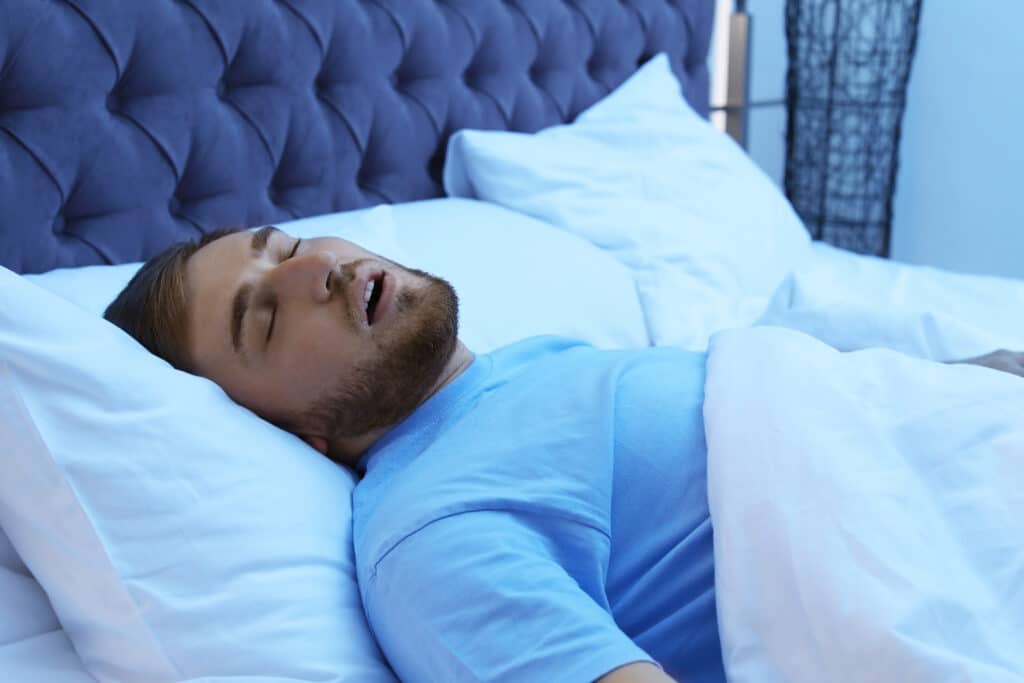
- Gasping or choking during sleep
- Witnessed pauses in breathing
- Waking with a dry mouth
- Morning headaches
- Difficulty concentrating
- Irritability
- Excessive daytime sleepiness
- Waking frequently during the night
- Feeling unrefreshed after sleeping
Not everyone who snores has sleep apnea, and not everyone with sleep apnea experiences obvious symptoms.
A proper medical evaluation and sleep testing are typically needed to diagnose the condition.
What Does Sleep Apnea Have to Do With Dentistry?
Dentists spend a lot of time examining structures surrounding the upper airway.
During a routine visit, your dental team can see your teeth, gums, tongue, soft tissues, palate, and portions of your throat. Dentists also evaluate your jaw and bite.
Certain oral findings don’t prove that someone has sleep apnea, but they may provide additional reasons to discuss sleep-related breathing concerns.
Your dentist may also ask about symptoms such as snoring, dry mouth, grinding your teeth, or waking with headaches.
When multiple signs or symptoms are present, further evaluation may be recommended.
Can a Dentist Diagnose Sleep Apnea?
A dental examination alone cannot definitively diagnose obstructive sleep apnea.
Diagnosis generally involves evaluation by an appropriate medical provider and often a sleep study or other sleep testing.
However, dentists can play a valuable role in recognizing possible warning signs.
If your dentist notices findings associated with airway concerns—or you report symptoms consistent with sleep apnea—they may recommend discussing them with your physician or a sleep specialist.
This collaborative approach can help patients receive the appropriate testing and diagnosis.
What Oral Signs Might Your Dentist Notice?
There isn’t one dental sign that means you have sleep apnea.
Instead, your dentist may notice several findings that, when considered alongside your symptoms and medical history, could warrant further investigation.
These may include:
- Dry mouth
- Signs of teeth grinding
- Tooth wear
- Cracked or chipped teeth
- Certain tongue or soft-palate characteristics
- A crowded oral airway
- Jaw or bite characteristics
- Red or irritated oral tissues
Your dentist may also ask questions about your sleep habits to better understand whether these findings could be connected to nighttime breathing or other conditions.
Dry Mouth and Sleep Apnea
Do you frequently wake up with your mouth feeling extremely dry?
Dry mouth can have many causes, including medications, dehydration, medical conditions, and mouth breathing.
People who breathe through their mouths while sleeping may wake with noticeable dryness.
Dry mouth isn’t enough to diagnose sleep apnea, but if it occurs along with loud snoring, witnessed breathing pauses, or excessive daytime sleepiness, it may be worth discussing with a healthcare provider.
Why Does Dry Mouth Matter for Your Teeth?
Saliva plays an important role in oral health.
It helps wash away food particles, neutralize acids, and protect tooth enamel.
When your mouth remains consistently dry, you may have an increased risk of problems such as:
- Cavities
- Bad breath
- Gum irritation
- Oral discomfort
- Difficulty swallowing or speaking
- Changes in the oral environment
If you regularly wake with a dry mouth, mention it during your dental appointment—even if you don’t have other symptoms of sleep apnea.
Your dental team can help identify potential oral health concerns and discuss ways to protect your teeth.
Teeth Grinding May Be Another Clue
Teeth grinding, also known as bruxism, can occur during sleep.
Signs of grinding may include:
- Flattened or worn teeth
- Small chips or cracks
- Damaged restorations
- Tooth sensitivity
- Jaw soreness
- Morning headaches
Sleep bruxism can occur for many reasons and doesn’t automatically indicate sleep apnea.
However, researchers have found that sleep-related breathing disorders and bruxism can occur in the same individuals. If significant tooth grinding is present alongside snoring or other sleep-related symptoms, your dentist may suggest further evaluation.
Can Sleep Apnea Cause Jaw Pain?
Some people with sleep-related grinding or clenching may experience soreness in the jaw muscles or around the temporomandibular joints.
This may be particularly noticeable after waking.
However, jaw pain has many possible causes, including temporomandibular disorders, stress-related clenching, dental problems, arthritis, and injury.
Jaw pain by itself doesn’t indicate sleep apnea.
If you regularly wake with jaw soreness along with snoring, headaches, dry mouth, or daytime fatigue, make sure your healthcare providers know about the combination of symptoms.
What Can Your Tongue Tell Your Dentist?
Your dentist may also evaluate the size, position, and appearance of your tongue.
Some patients have indentations or scalloping along the sides of the tongue where it rests against the teeth.
A relatively large tongue or crowded oral anatomy may also influence the amount of space available in the mouth and upper airway.
These characteristics don’t diagnose sleep apnea, but they may be considered as part of an overall airway assessment.
Your Jaw Structure May Affect the Airway
Jaw anatomy varies considerably from person to person.
The position and size of the upper and lower jaws can influence the space available for the tongue and surrounding soft tissues.
Certain anatomical characteristics may be associated with a narrower upper airway.
Again, your jaw structure alone doesn’t determine whether you have sleep apnea.
Your dentist may simply recognize that your anatomy, combined with symptoms such as snoring or daytime sleepiness, provides a reason to discuss further evaluation.
What About a Crowded Airway?
During an oral examination, your dentist can observe areas toward the back of your mouth, including portions of the soft palate and throat.
The amount of visible space varies from person to person.
A crowded-looking oral airway isn’t enough to diagnose sleep apnea, but it may be one piece of information considered alongside your symptoms and other risk factors.
Snoring Doesn’t Always Mean Sleep Apnea
Snoring occurs when tissues in the airway vibrate as air moves through a narrowed space.
Many people snore without having obstructive sleep apnea.
However, loud, frequent snoring—particularly when accompanied by choking, gasping, or witnessed pauses in breathing—deserves medical attention.
If your partner has noticed that you stop breathing during sleep and then gasp or choke, tell your healthcare provider.
Why Sleep Apnea Shouldn’t Be Ignored
Sleep apnea isn’t simply a snoring problem.
Repeated breathing disruptions can interfere with sleep quality and affect overall health.
Untreated obstructive sleep apnea has been associated with increased risks of several health concerns, including cardiovascular and metabolic problems.
This is why suspected sleep apnea should be appropriately evaluated rather than managed solely as a dental or snoring issue.
Your dentist can help recognize potential clues, but medical diagnosis and management are important parts of care.
How Is Sleep Apnea Diagnosed?
If sleep apnea is suspected, a healthcare provider may recommend sleep testing.
Depending on your circumstances, this may involve an overnight sleep study in a sleep center or an appropriate home sleep apnea test.
Testing can monitor factors such as breathing patterns, oxygen levels, heart rate, and sleep-related events.
The results help determine whether sleep apnea is present and, if so, its severity.
How Is Obstructive Sleep Apnea Treated?
Treatment depends on the severity of the condition, individual anatomy, medical history, and other factors.
Options may include:
- Lifestyle changes when appropriate
- Positive airway pressure therapy, such as CPAP
- Oral appliance therapy for certain patients
- Positional therapy
- Treatment of contributing nasal or airway conditions
- Surgery in selected cases
A healthcare provider can help determine which approach is appropriate after a diagnosis has been established.
What Is an Oral Appliance for Sleep Apnea?
For certain patients with obstructive sleep apnea, a custom oral appliance may be recommended.
One commonly used type is a mandibular advancement device.
This appliance is worn while sleeping and positions the lower jaw forward to help maintain an open airway.
Oral appliance therapy isn’t appropriate for everyone, and an over-the-counter mouthguard is not the same thing as a professionally fitted sleep apnea appliance.
Patients should receive an appropriate sleep apnea diagnosis and work with qualified medical and dental providers when considering this type of treatment.
Is a Sleep Apnea Appliance the Same as a Nightguard?
No.
Although both appliances are worn in the mouth, they’re designed for different purposes.
A traditional nightguard is generally used to protect teeth from grinding and clenching.
A mandibular advancement device is specifically designed to reposition the lower jaw to help maintain airway space during sleep.
If you have both bruxism and sleep apnea concerns, your dentist can help determine what type of appliance or treatment approach is appropriate in coordination with your medical provider.
Can Children Have Sleep Apnea?
Yes, sleep-related breathing disorders can also occur in children.
Signs may look somewhat different from those seen in adults.
Possible symptoms can include:
- Snoring
- Mouth breathing
- Restless sleep
- Pauses in breathing
- Difficulty waking
- Behavioral or concentration concerns
- Daytime sleepiness or, in some children, increased activity
Children with suspected sleep apnea should be evaluated by an appropriate medical provider.
A dentist may notice oral or craniofacial features that prompt a conversation with parents, but diagnosis requires medical assessment.
Questions Your Dentist May Ask About Your Sleep
If your dental team notices signs that could be related to nighttime breathing, they may ask questions such as:
- Do you snore?
- Has anyone noticed you stop breathing during sleep?
- Do you wake up gasping?
- Do you wake with a dry mouth?
- Do you frequently have morning headaches?
- Do you grind or clench your teeth?
- Do you feel excessively tired during the day?
- Do you feel rested after a full night’s sleep?
These questions don’t diagnose sleep apnea. They help determine whether further evaluation may be appropriate.
When Should You Talk to a Healthcare Provider?
Consider discussing possible sleep apnea with a healthcare provider if you regularly experience symptoms such as:
- Loud snoring
- Witnessed breathing pauses
- Gasping or choking during sleep
- Significant daytime sleepiness
- Morning headaches
- Persistent dry mouth
- Difficulty concentrating
- Unrefreshing sleep
Witnessed pauses in breathing, significant nighttime breathing difficulty, or severe daytime sleepiness should be taken seriously.
Your Dental Visit Can Reveal More Than Cavities
Routine dental visits are an important opportunity to monitor your teeth and gums, but they can also reveal changes involving your tongue, jaw, oral tissues, and other structures.
Dentists don’t replace sleep physicians or diagnose sleep apnea from oral signs alone.
Instead, your dentist may be another member of your healthcare team who recognizes potential warning signs and encourages appropriate evaluation.
Talk to Premier Dentistry of Eagle About Your Oral Health
If you’re waking with a dry mouth, noticing increased tooth wear, experiencing jaw soreness, or wondering whether your oral health could be connected to your sleep, bring it up at your next dental appointment.
At Premier Dentistry of Eagle, we’ll evaluate your teeth, gums, jaw, and oral tissues and discuss any findings that may deserve further attention.
If your symptoms raise concerns about possible sleep apnea, appropriate medical evaluation and sleep testing can help determine what’s really happening.
Contact Premier Dentistry of Eagle to schedule your next dental examination and keep both your smile and overall health a priority.