Dental X-Rays: Why Your Dentist Needs to See More Than Your Smile

Sleep Apnea and Your Oral Health: What Your Dentist Can Look For
September 16, 2026
Why Your Bite Matters More Than You Think
October 1, 2026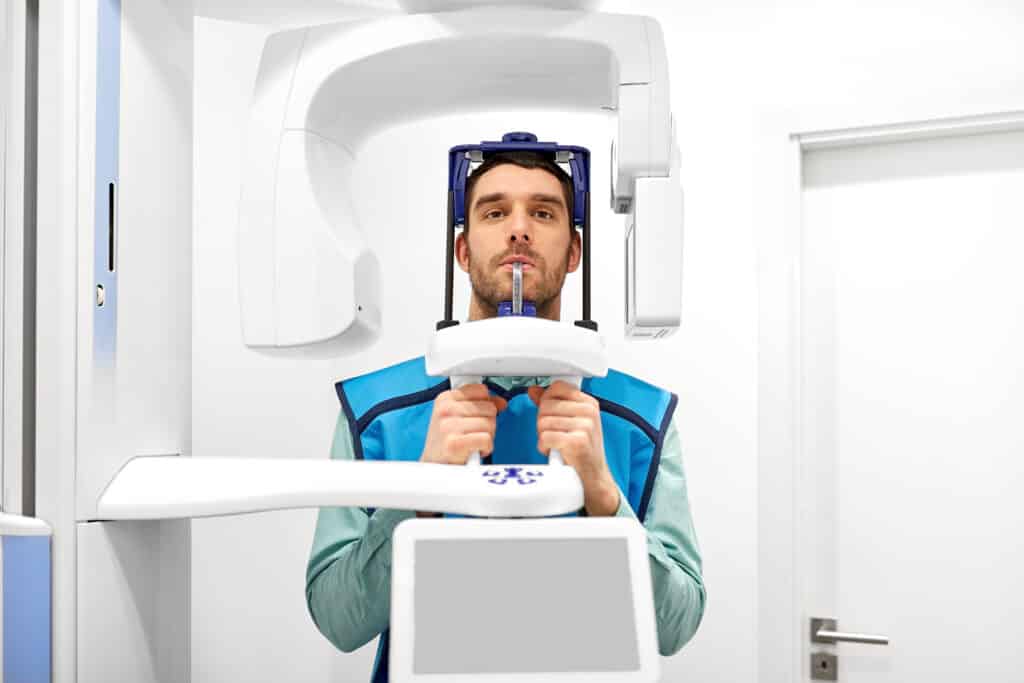
When you visit the dentist, a visual exam can reveal a lot about your oral health. Your dentist can look for visible cavities, gum inflammation, broken teeth, plaque buildup, and other concerns. But some dental problems develop in places that simply can’t be seen by looking inside your mouth.
That’s where dental X-rays come in.
At Premier Dentistry of Eagle, dental X-rays are an important diagnostic tool that allows us to see what’s happening beneath the surface of your smile. From cavities hiding between teeth to problems developing around tooth roots, X-rays can provide valuable information that helps your dentist detect and address oral health concerns.
Here’s why your dentist sometimes needs to see more than what’s visible during a routine exam.
What Are Dental X-Rays?
Dental X-rays, also called dental radiographs, create images of your teeth, roots, jawbone, and surrounding structures.
While a traditional dental examination focuses on the visible surfaces of your teeth and gums, X-rays allow your dentist to evaluate areas that aren’t easily seen.
Depending on the type of X-ray taken, your dentist may be able to examine individual teeth, several teeth at once, or a broader view of your jaws and surrounding structures.
These images can be useful for both preventive and restorative dental care.
Dental X-Rays Can Reveal Hidden Cavities
You might assume that a cavity would always be visible or cause a toothache. That’s not necessarily the case.
Tooth decay can develop between teeth, underneath existing restorations, or in other areas that are difficult to see during a visual examination. Early cavities may also cause few or no noticeable symptoms.
Dental X-rays can help your dentist identify certain areas of decay before they become larger problems.
Finding a cavity earlier may allow it to be treated before decay reaches deeper portions of the tooth and causes additional damage.
Your Dentist Can Examine Tooth Roots
The visible portion of your tooth is only part of the picture. Each tooth also has roots that extend into the jawbone.
Problems affecting the roots or surrounding tissues may not always be visible above the gumline.
Dental X-rays can provide information about the condition of tooth roots and the bone surrounding them. This can be particularly important if you’re experiencing unexplained tooth pain, sensitivity, swelling, or discomfort while chewing.
If an infection develops around a tooth root, an X-ray may help your dentist identify changes that aren’t visible during a standard examination.
X-Rays Help Evaluate Bone Health
Healthy teeth depend on healthy supporting bone.
Certain oral health conditions, particularly periodontal or gum disease, can affect the bone that supports your teeth. Because this bone is located beneath the gumline, changes aren’t always obvious by simply looking inside your mouth.
Dental X-rays can help your dentist evaluate bone levels around your teeth and monitor changes over time.
This information, combined with an examination of your gums, can help provide a more complete picture of your periodontal health.
X-Rays Can Help With Treatment Planning
Dental X-rays aren’t only used to find cavities.
They can also provide important information when your dentist is planning certain dental procedures. For example, X-rays may be used when evaluating a tooth for root canal treatment, assessing wisdom teeth, planning certain restorations, or investigating the source of dental discomfort.
Different dental procedures require different types of information. Your dentist will determine which images, if any, are appropriate based on your individual needs.
Having a clear view of the tooth and surrounding structures can help your dental team create a treatment plan based on what’s actually happening beneath the surface.
What Types of Dental X-Rays Are There?
There are several types of dental X-rays, and each provides a different view of your smile.
Bitewing X-rays commonly show the upper and lower teeth in a particular area of the mouth. They are especially helpful for detecting decay between teeth and evaluating certain changes in supporting bone.
Periapical X-rays typically show an entire tooth from the crown to the end of its root, along with some of the surrounding bone. These images can be helpful when your dentist needs a closer look at a particular tooth.
Panoramic X-rays provide a broader view of the mouth and jaws. Rather than focusing on just a few teeth, they capture a larger area in a single image.
Your dentist will determine which type of imaging is appropriate depending on what needs to be evaluated.
Do You Need Dental X-Rays at Every Appointment?
Not necessarily.
How often you need dental X-rays depends on several individual factors. Your dentist may consider your age, oral health history, current symptoms, cavity risk, gum health, previous dental treatment, and the results of your clinical examination.
Someone with a history of frequent cavities or active dental concerns may need X-rays more frequently than someone with a consistently healthy smile and a low risk of decay.
New patients may also need imaging so the dental team can establish a clearer picture of their current oral health.
The goal isn’t to take unnecessary images. Dental X-rays should be recommended when they provide useful diagnostic information for your care.
Are Dental X-Rays Safe?
It’s understandable to have questions about radiation exposure from dental X-rays.
Modern dental imaging uses low levels of radiation, and dental offices follow appropriate safety practices to minimize unnecessary exposure. Advances in digital dental X-ray technology have also made it possible to obtain detailed images efficiently.
Your dental team considers the potential benefit of diagnostic imaging when determining whether X-rays are appropriate.
If you are pregnant, think you may be pregnant, or have questions or concerns about dental X-rays, tell your dental team before imaging. They can discuss your individual situation and explain why a particular X-ray may or may not be recommended.
Why Can’t My Dentist Just Look at My Teeth?
Imagine looking at the outside of a house and trying to determine what’s happening inside the walls. Everything may appear fine from the outside, but that doesn’t necessarily tell you what’s happening underneath.
Your teeth can be similar.
A tooth may look healthy while decay develops between teeth. A filling may appear intact while there is a concern underneath it. Tooth roots and supporting bone aren’t fully visible during a standard dental examination.
A visual examination remains extremely important, but dental X-rays can provide additional information when your dentist needs to investigate areas that can’t be seen directly.
Together, visual exams and appropriate diagnostic imaging provide a more complete understanding of your oral health.
Early Detection Can Make a Difference
Many dental problems are easier to manage when they’re identified early.
A small cavity can grow. Gum disease can progress. An infection around a tooth root can become increasingly uncomfortable. Waiting until a dental problem causes severe pain may mean that more extensive treatment is needed.
Routine dental exams, professional cleanings, and dental X-rays when appropriate can help your dentist identify changes and recommend treatment before certain problems become more complicated.
Preventive dental care isn’t only about cleaning your teeth. It’s also about monitoring what’s happening throughout your mouth—even in areas you can’t see.
See the Complete Picture at Premier Dentistry of Eagle
Your smile tells your dentist a lot, but it doesn’t always tell the entire story.
Dental X-rays can reveal important information about your teeth, roots, supporting bone, and other areas hidden beneath the surface. When used alongside a comprehensive dental examination, they can help identify dental concerns and support more informed treatment planning.
At Premier Dentistry of Eagle, we take a comprehensive approach to protecting your oral health. If you’re due for a dental exam or have questions about dental X-rays, schedule an appointment with our team. We’ll help you understand what’s happening with your smile—from what you can see to what you can’t.