How to Put a Stop to Teeth Grinding at Night

5 Signs You Need to Make a Dental Appointment
September 7, 2023
Different Ways of Treating a Chipped Tooth
September 21, 2023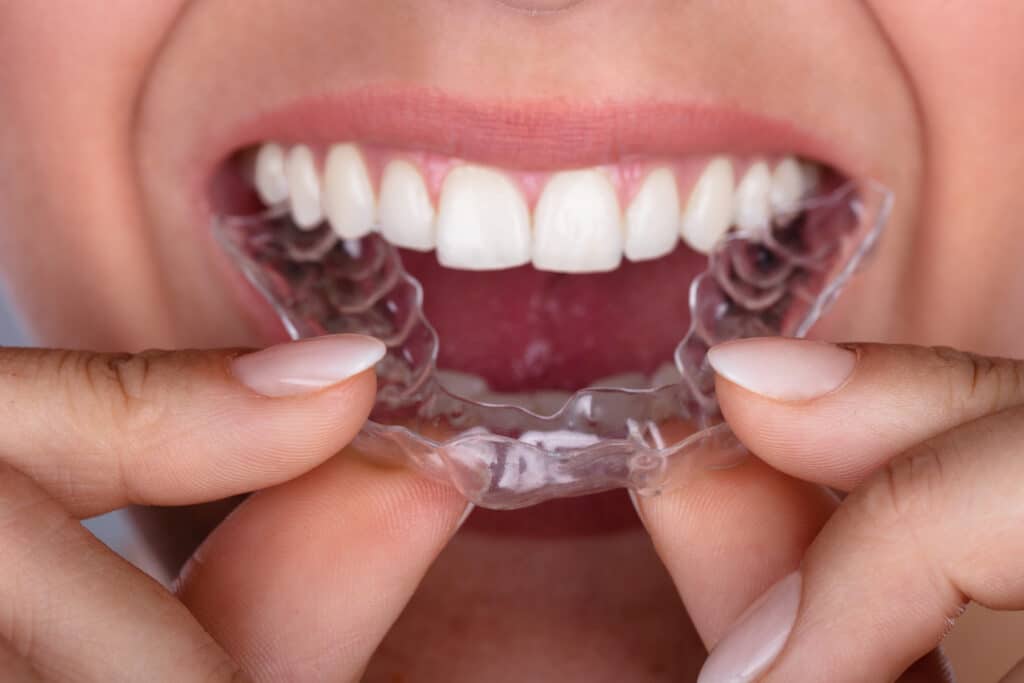
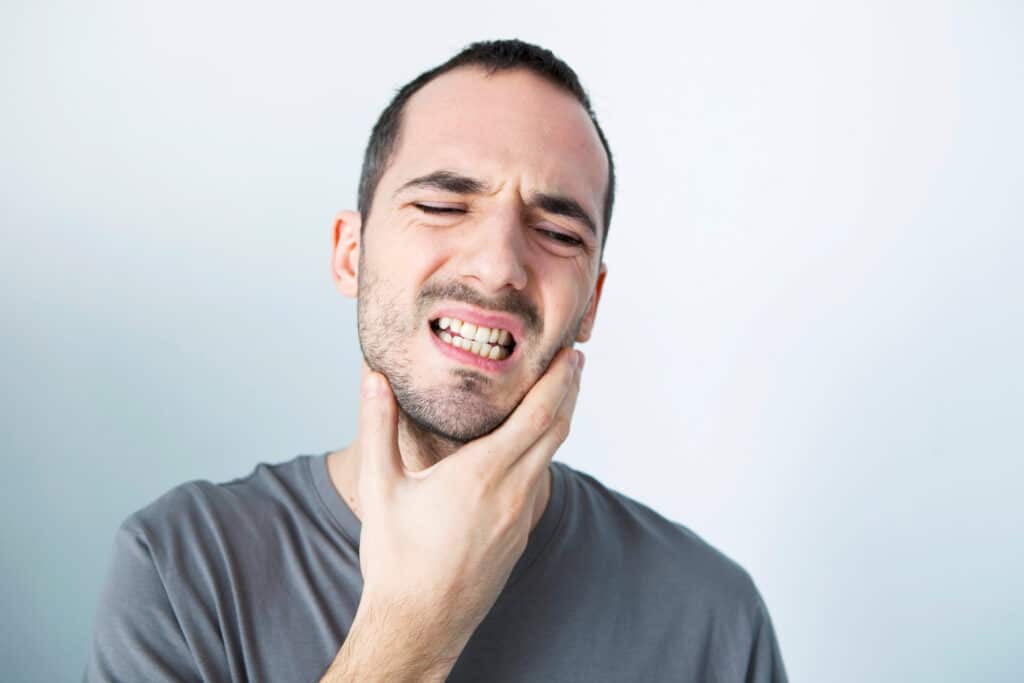
Have you ever woken up with a headache or a sore jaw? Maybe your partner has complained about you grinding your teeth loudly in your sleep. Teeth grinding, also known as bruxism, is a common condition that many people experience. If left untreated, it can result in tooth damage, jaw pain, and regular headaches. This blog post will discuss what causes teeth grinding and give you tips on how to stop it.
What is Bruxism?
Bruxism is the medical term for teeth grinding. It usually occurs at night, typically while we are asleep. This involuntary action can occur each time your jaw closes or it might happen in bursts, lasting several seconds or minutes.
What Are the Causes of Teeth Grinding?
The causes of teeth grinding vary from person to person. Stress and anxiety are often the most common culprits of teeth grinding. Others may find that an abnormal bite or crooked teeth can lead to bruxism. Some medical conditions such as Parkinson’s disease, epilepsy, and sleep apnea have also been linked to teeth grinding.
Symptoms of Bruxism
Signs and symptoms vary, and can include:
- Abraded teeth
- Chipped or cracked teeth
- Facial pain
- Overly sensitive teeth
- Tense facial and jaw muscles
- Headaches
- Dislocation of the jaw
- Locking of the jaw
- Wearing away of the tooth enamel, exposing the underlying dentin (inside of the tooth)
- A popping or clicking in the temporomandibular joint (TMJ)
- Tongue indentations
- Damage to the inside of the cheek
- Wear facets (flat smooth areas created on the biting surfaces of the teeth as they are rubbed together repeatedly)
How Do I Stop Teeth Grinding?
Identify the cause of your teeth grinding.
The first step in addressing bruxism is to determine the cause of the condition. Stress, anxiety, and sleep disorders are common triggers for teeth grinding. Additionally, certain medications can also contribute to the condition. If you are experiencing regular teeth grinding, it is a good idea to consult with a dentist or a medical professional to determine the root cause of the condition.
Relax and unwind before bed.
Stress and anxiety can significantly contribute to teeth grinding. Therefore, it is important to try to relax and unwind before going to bed. You can listen to calming music, practice meditation, or take a warm bath. Whatever helps promote calmness and relaxation, incorporate it into your bedtime routine.
Avoid stimulants before bedtime.
Caffeine, alcohol, and tobacco products can all interfere with your ability to get a good night’s sleep. Avoid consuming these products before bedtime and opt instead for a glass of water or a herbal tea to promote relaxation.
Wear a mouthguard.
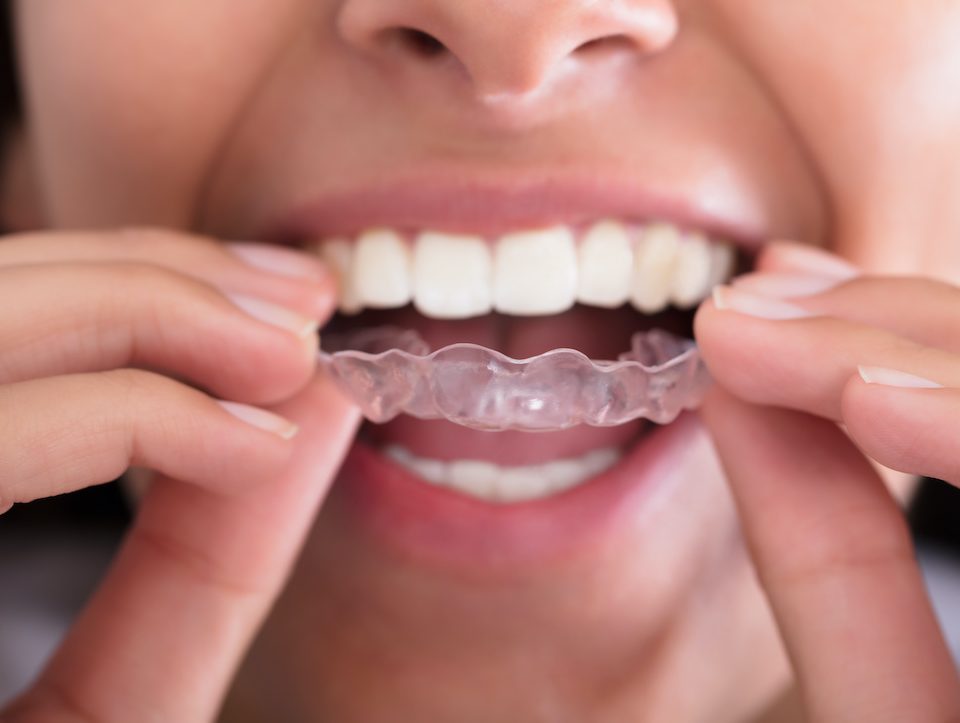
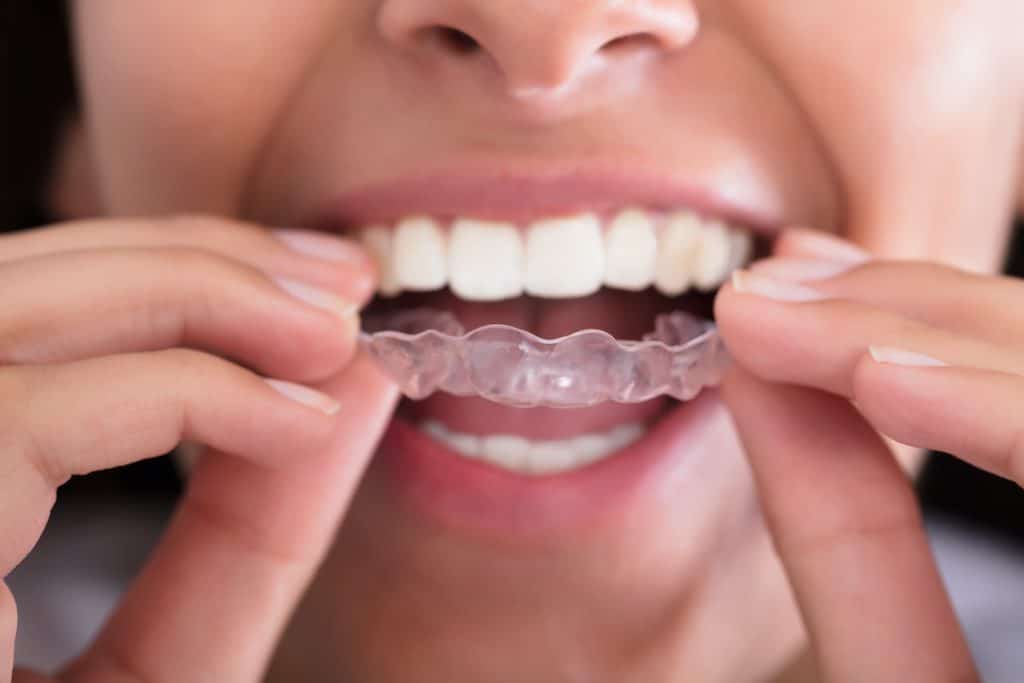
If you regularly grind your teeth, wearing a mouthguard can help protect your teeth from damage and relieve jaw pain caused by teeth grinding. A mouthguard will cushion your teeth and prevent them from grinding against each other. Your dentist can custom-fit a mouthguard for you.
Consider seeking professional treatment.
If your teeth grinding is linked to an underlying condition like sleep apnea, your doctor may recommend professional treatment. Treatment options may include CPAP (Continuous Positive Airway Pressure) machines for sleep apnea or cognitive-behavioral therapy to address stress and anxiety.
Teeth grinding can be a common and frustrating condition to deal with. However, the good news is that it can be managed and treated. Identifying the cause is the first step in getting proper treatment. Use relaxation techniques, avoid stimulants before bedtime, wear a mouthguard, and consider seeking professional help. With these tips, you are on the road to achieving a better night’s sleep and protecting your teeth from damage.
Night Guards for Teeth Grinding
If you find yourself regularly grinding your teeth, you may want to consider a nightguard. Night Guards are plastic devices worn over the teeth while sleeping to protect them from the effects of grinding. These devices can help relieve jaw pain and prevent long-term tooth damage associated with bruxism. Talk to your dentist about getting fitted for a custom night guard that will best suit your needs. A night guard is beneficial for people with bruxism because it keeps your teeth from grinding together, reducing the risks of tooth damage.
Make an Appointment with Premier Dentistry of Eagle
If you think you may be suffering from teeth grinding, make an appointment with the experts at Premier Dentistry of Eagle. We can help diagnose the condition and provide treatment to prevent tooth damage or jaw pain. We offer comprehensive dental services for all your needs. Contact us today to schedule an appointment!