Understanding the Effects of Stress-Related Teeth Grinding

How Adults Can Benefit from Fluoride
July 20, 2023
Relieving the Symptoms of Dry Mouth
August 4, 2023
Bruxism is an often overlooked but serious issue triggered by stress and anxiety-related clenching or grinding of the teeth. Left untreated, it can lead to long term damage that affects your oral health and quality of life. This blog post will explore the complex relationship between stress, teeth grinding, and its potential effects. We’ll also discuss what steps you can take to ensure your dental health if you find yourself exhibiting symptoms of bruxism.
What is Teeth Grinding?
Bruxism, also known as teeth grinding, is a condition in which you clench and/or grind your teeth, often due to stress or anxiety. It’s usually involuntary, so most people don’t realize they’re doing it. However, bruxism can cause serious damage to your mouth over time if it isn’t monitored and treated appropriately.
Teeth Grinding Causes
Causes of bruxism can range from stress and anxiety to lifestyle factors such as substance use, certain medications, or sleep disorders. It’s important to note that it is a symptom of a larger problem, so while treating the underlying issue should be the main goal, managing the symptoms of bruxism should also be an important part of your treatment plan.
Stress and Teeth Grinding
Stress and anxiety are two of the most common triggers for bruxism, as these negative emotions can cause you to clench or grind your teeth without even realizing it. Therefore, in order to effectively manage stress-related bruxism, it’s important to take steps to reduce your overall stress levels. This can include establishing a regular relaxation practice, such as yoga or meditation, engaging in regular exercise, eating a balanced diet, and getting adequate sleep.
Bruxism Symptoms
Signs and symptoms of bruxism may include:
- Teeth grinding or clenching, which may be loud enough to wake up your sleep partner
- Teeth that are flattened, fractured, chipped or loose
- Worn tooth enamel, exposing deeper layers of your tooth
- Increased tooth pain or sensitivity
- Tired or tight jaw muscles, or a locked jaw that won’t open or close completely
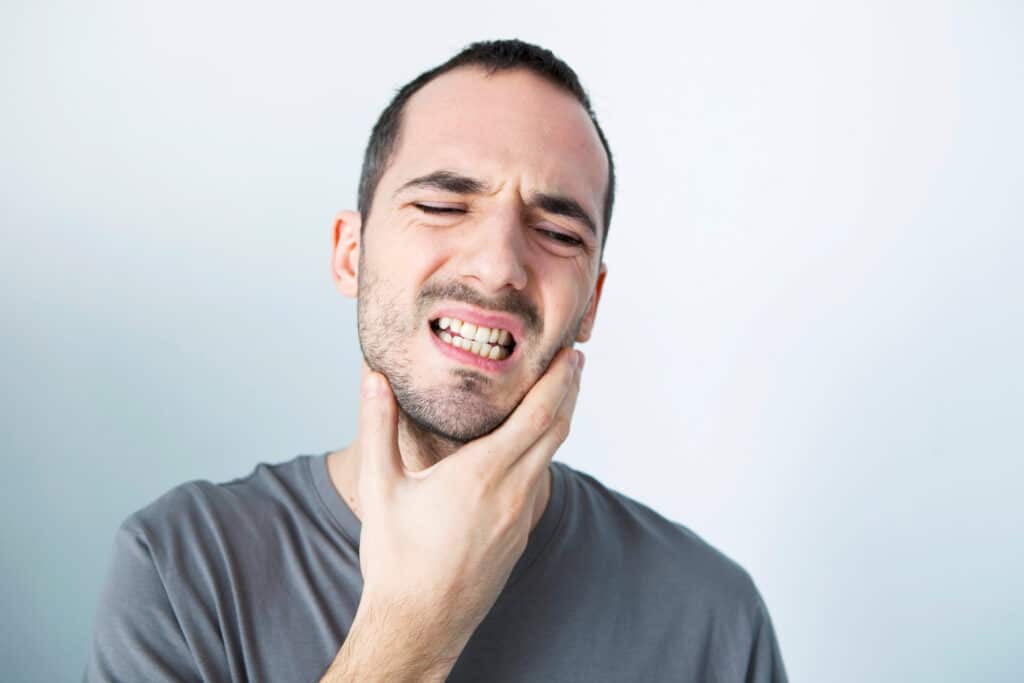
- Jaw, neck or face pain or soreness
- Pain that feels like an earache, though it’s actually not a problem with your ear
- Dull headache starting in the temples
- Damage from chewing on the inside of your cheek
- Sleep disruption
Effects of Bruxism
The effects of bruxism can be far-reaching, both physically and emotionally. It can lead to jaw pain, tooth damage, headaches, facial pain, and other health issues such as earache or sinus problems. Additionally, it can cause further emotional stress due to the worry of potential dental damage. Teeth grinding can cause several problems:
- Changes in how you look (aesthetic problems) and your facial profile.
- Fractured or loosened teeth.
- Harming your TMJs and jaw and neck muscles.
- Loss of teeth.
- Wearing down teeth.
Treating Bruxism
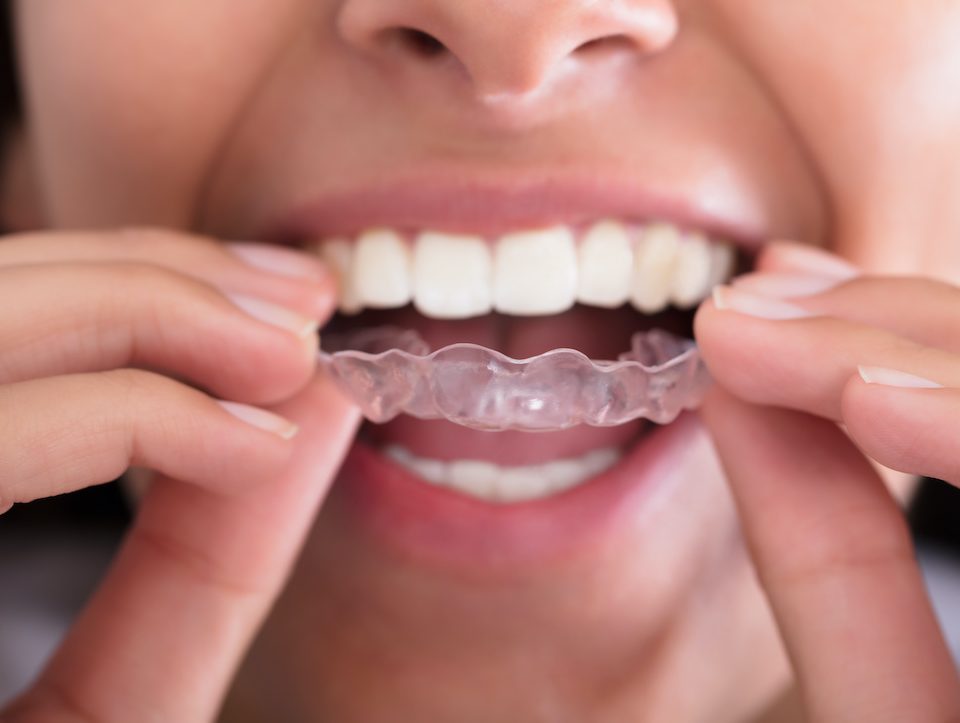
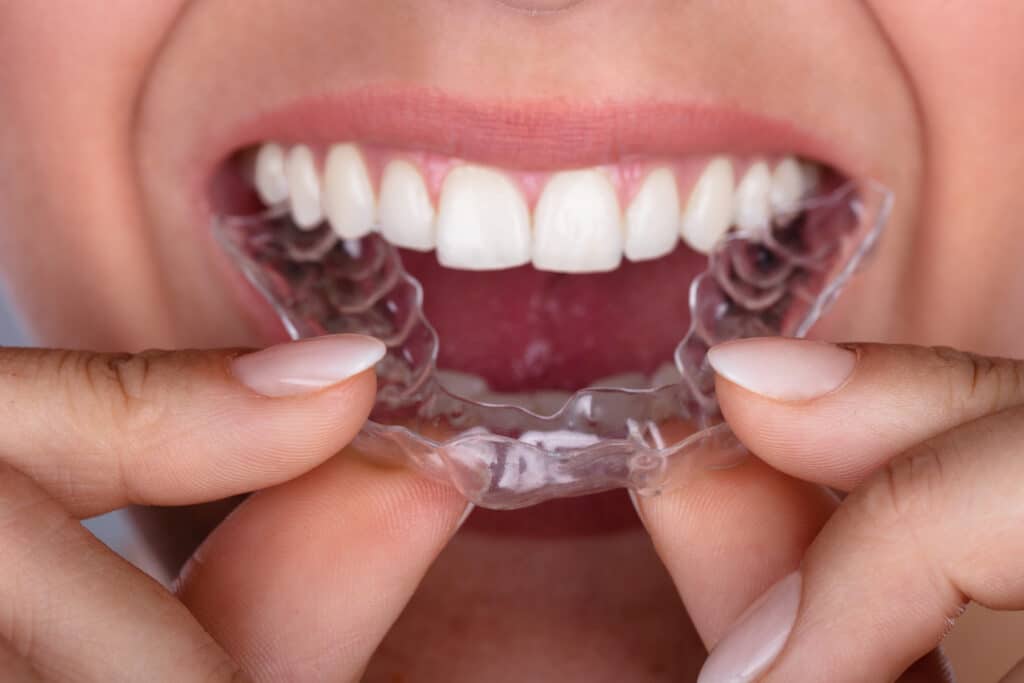
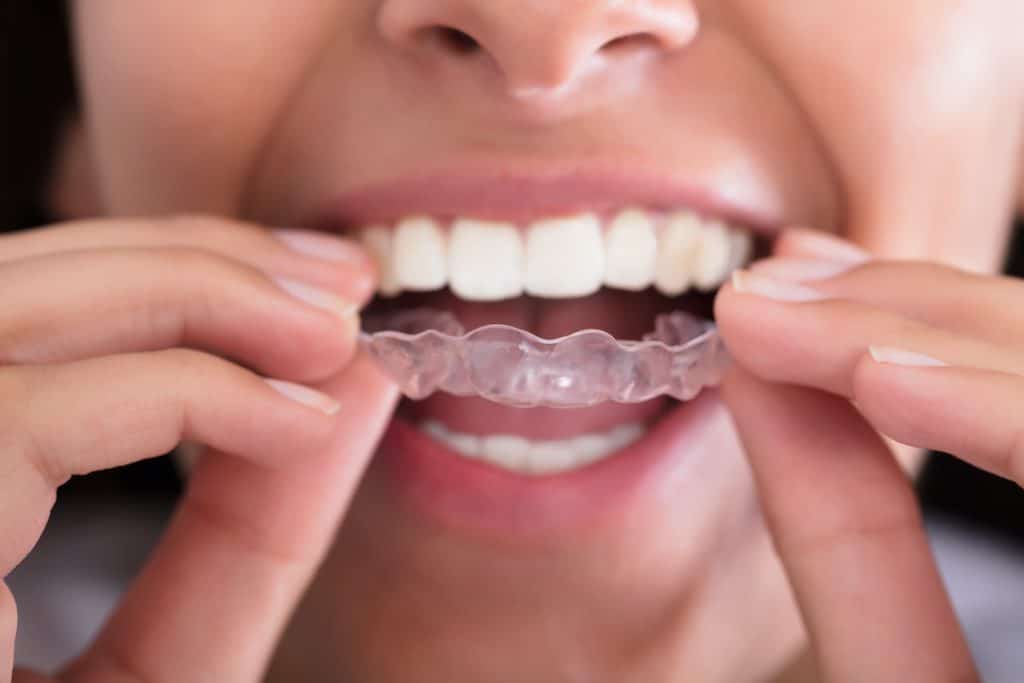
In most cases, bruxism can be successfully managed with a combination of lifestyle changes and stress management techniques. If necessary, your dentist may recommend the use of a night guard or mouth guard to protect your teeth from further damage caused by grinding and clenching while sleeping. Additionally, practicing relaxation methods such as yoga or meditation, engaging in regular exercise, getting adequate sleep, and avoiding stimulants like caffeine can all help to reduce stress and alleviate bruxism symptoms. If you find yourself exhibiting any of the signs or symptoms associated with bruxism, make sure to reach out to your dentist for an evaluation and treatment plan. Early detection and intervention can go a long way in protecting your teeth from further damage caused by teeth grinding.
When to See the Dentist
If you think you may be grinding your teeth, it’s important to seek the help of a qualified dentist. The earlier you can detect and treat bruxism, the better chance you have of preventing long-term damage to your teeth and jaw. Your dentist will be able to help diagnose and treat any underlying causes of the condition as well as recommend treatments such as a night guard or mouth guard to help protect your teeth while you sleep.
By understanding the relationship between stress, bruxism, and its potential effects on your oral health, you can take steps to reduce your risk of experiencing long-term damage from grinding or clenching your teeth. Remember: with early intervention and lifestyle changes, it is possible to keep your teeth healthy and strong for years to come. If you think that stress or anxiety may be causing you to grind or clench your teeth, don’t hesitate to reach out to a qualified dentist for help.
Make an Appointment with Premier Dentistry of Eagle
If you’re experiencing teeth grinding or other symptoms of bruxism, contact us at our Eagle office to make an appointment. Our experienced team can help diagnose the causes and provide treatments to protect your teeth from further damage. We look forward to helping you maintain a healthy smile for years to come!