The Hidden Damage Teeth Grinding Can Cause Over Time

Why Summer Is the Perfect Time for Cosmetic Dentistry Treatments
June 11, 2026
Many people grind or clench their teeth without even realizing it. While occasional grinding may not seem like a major concern, chronic teeth grinding—also known as bruxism—can quietly cause significant damage to your teeth, jaw, and overall oral health over time.
Because grinding often happens during sleep, many patients don’t recognize the problem until symptoms become more noticeable or painful.
At Premier Dentistry of Eagle, we help patients identify the signs of teeth grinding early and provide treatment options designed to protect healthy smiles and prevent long-term damage.
What Is Teeth Grinding?
Teeth grinding, or bruxism, occurs when patients unconsciously clench or grind their teeth together.
Grinding may happen:
- During sleep
- While concentrating
- During periods of stress or anxiety
- Throughout the day without awareness
Over time, the constant pressure placed on the teeth and jaw can lead to a variety of oral health problems.
Common Causes of Teeth Grinding
Several factors may contribute to bruxism.
Common Causes Include:
- Stress and anxiety
- Poor sleep habits
- Bite misalignment
- Jaw tension
- Sleep disorders
- Lifestyle factors such as caffeine or alcohol use
In many cases, teeth grinding develops gradually and worsens over time if not addressed.
Signs You May Be Grinding Your Teeth
Because grinding often happens at night, symptoms are frequently the first clue.
Common Signs Include:
- Morning headaches
- Jaw soreness or tightness
- Tooth sensitivity
- Worn or flattened teeth
- Chipped or cracked teeth
- Facial pain
- Clicking or popping in the jaw
Some patients may also notice disrupted sleep or tension throughout the neck and shoulders.
How it Damages Teeth
One of the biggest concerns with chronic bruxism is the wear it places on tooth enamel.
Over time, grinding can lead to:
- Worn enamel
- Cracked or chipped teeth
- Tooth fractures
- Increased sensitivity
- Damage to dental work such as crowns or fillings
Once enamel becomes worn away, teeth become more vulnerable to decay and sensitivity.
Teeth Grinding Can Affect Your Jaw Too
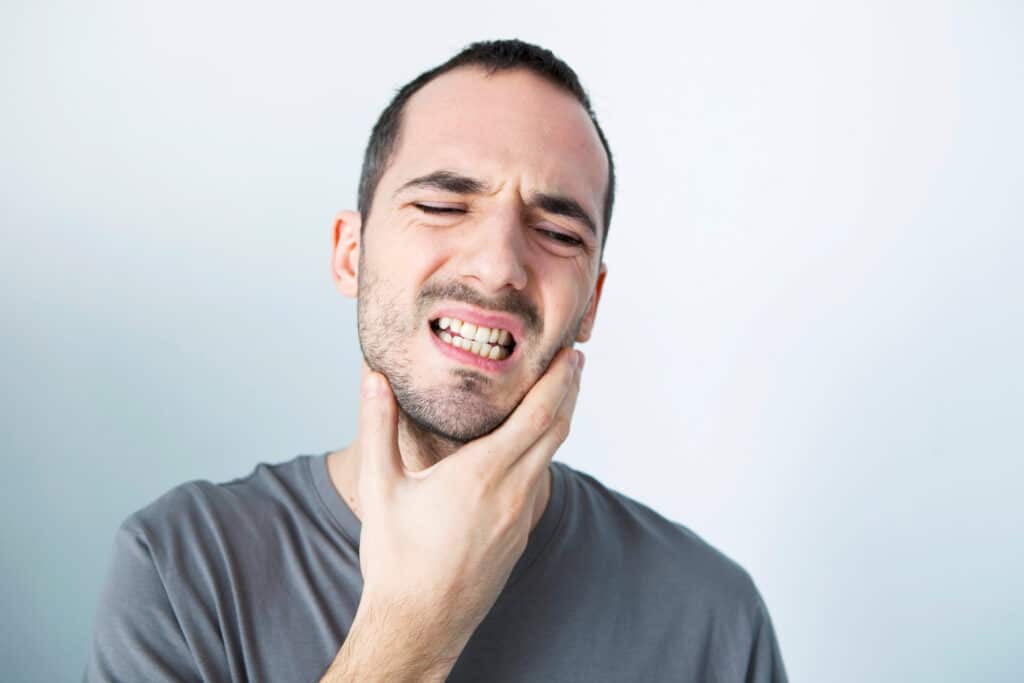
Bruxism doesn’t only affect teeth, it can also strain the jaw joints and surrounding muscles.
It may contribute to:
- TMJ discomfort
- Jaw inflammation
- Difficulty chewing
- Limited jaw movement
- Facial tension and pain
Addressing grinding early can help reduce stress on the jaw and surrounding muscles.
Why Early Treatment Matters
Many patients assume bruxism is harmless, but untreated bruxism can gradually create more extensive damage that may eventually require restorative treatment.
Early care may help:
- Protect enamel from wear
- Prevent cracked teeth
- Reduce jaw pain and headaches
- Preserve existing dental work
- Improve overall comfort
The sooner grinding is identified, the easier it is to help minimize long-term damage.
Stress and Teeth Grinding
Stress is one of the most common triggers for teeth grinding.
When stress levels rise, many people unconsciously:
- Clench their jaw
- Tighten facial muscles
- Grind their teeth during sleep
Managing stress through healthy sleep habits, relaxation techniques, and self-care may help reduce grinding severity for some patients.
Nightguards Can Help Protect Your Smile
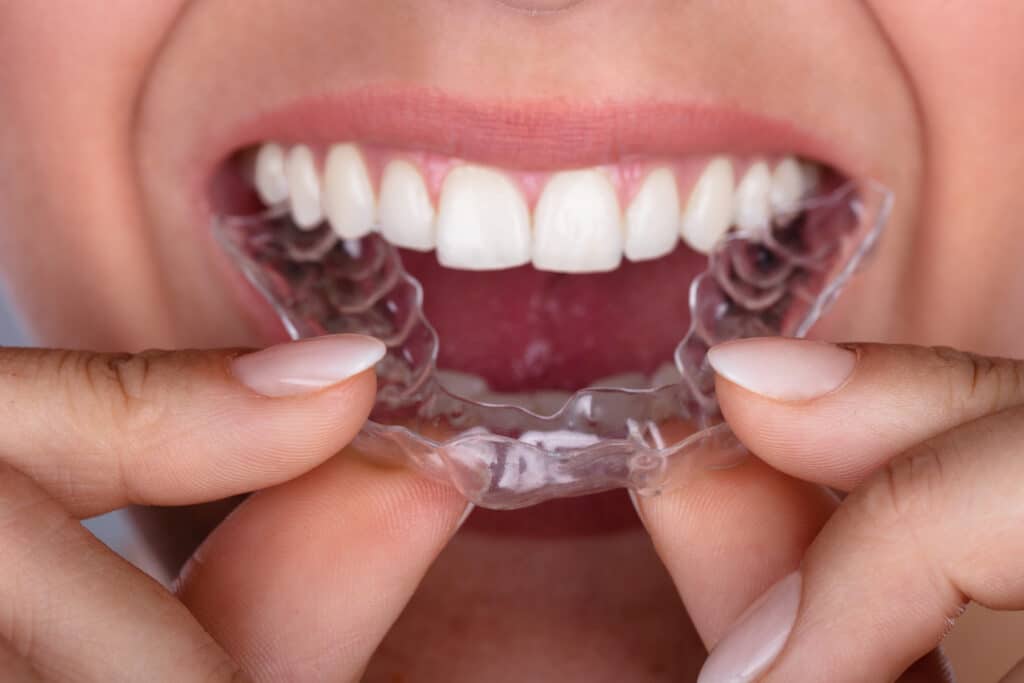
One of the most common treatments for bruxism is a custom nightguard.
A nightguard helps:
- Cushion teeth from grinding pressure
- Reduce enamel wear
- Protect dental restorations
- Decrease jaw strain
Custom nightguards are designed to fit comfortably and provide better protection than over-the-counter options.
Healthy Habits That May Help Reduce Grinding
In addition to professional treatment, certain habits may help reduce grinding and jaw tension.
Helpful Tips Include:
- Avoid chewing ice or hard objects
- Reduce caffeine intake before bed
- Practice stress management techniques
- Maintain consistent sleep habits
- Stretch and relax jaw muscles
Small lifestyle changes can help support healthier jaw function and comfort.
Protect Your Smile from Long-Term Damage
Teeth grinding may seem minor at first, but over time it can quietly cause significant damage to your smile, jaw, and oral health. Recognizing symptoms early and seeking treatment can help protect your smile and prevent more serious complications later.
At Premier Dentistry of Eagle, we’re committed to helping patients preserve healthy, comfortable smiles with personalized preventive and restorative dental care.
Schedule your appointment today to learn more about protecting your smile from the hidden effects of teeth grinding.