Why Your Bite Matters More Than You Think

Dental X-Rays: Why Your Dentist Needs to See More Than Your Smile
September 24, 2026
How Does Aging Affect Your Smile?
October 9, 2026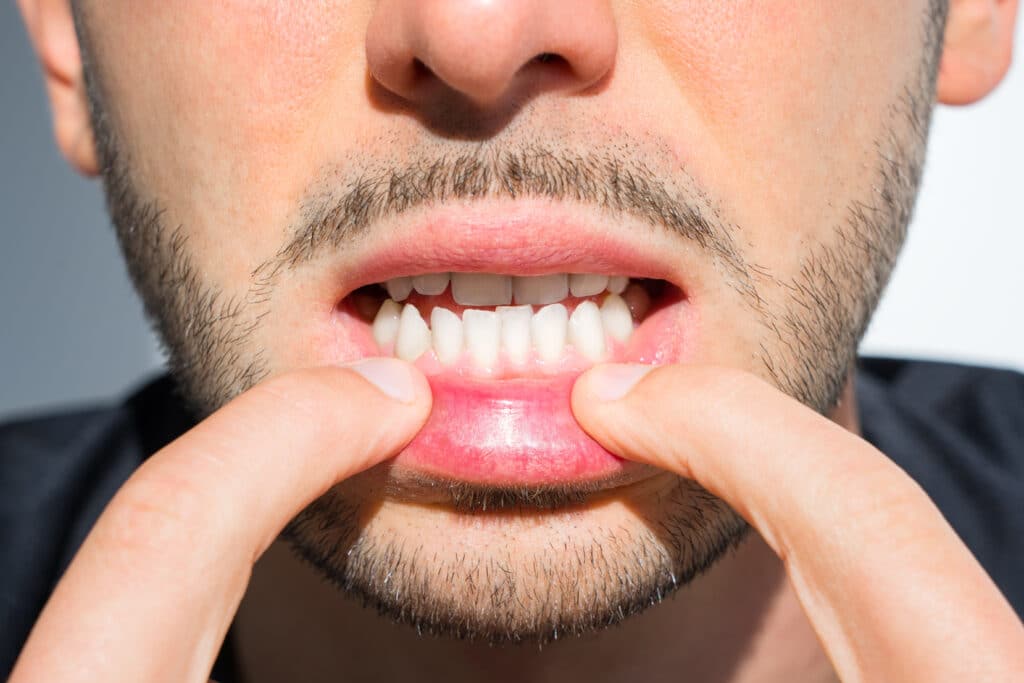
Why Your Bite Matters More Than You Think
When you think about a healthy smile, you probably picture clean, white teeth and healthy gums. But there’s another important part of your oral health that often goes unnoticed: your bite.
Your bite, also called your occlusion, refers to how your upper and lower teeth come together when you close your mouth. While it might seem like a small detail, the way your teeth fit together can affect everything from chewing and speaking to tooth wear and jaw comfort.
At Premier Dentistry of Eagle, we believe a healthy smile is about more than appearances. Understanding how your bite works and recognizing potential problems can help you protect your teeth and maintain comfortable oral function for years to come.
What Is Your Bite?
Your bite describes the relationship between your upper and lower teeth when your jaws come together.
Ideally, your teeth should meet in a way that allows you to chew comfortably and distribute biting forces without placing excessive stress on individual teeth.
However, everyone’s bite is slightly different.
Some people naturally have teeth that don’t line up perfectly but still function comfortably. Others may experience problems because certain teeth make contact unevenly or because their jaws don’t align as expected.
When teeth or jaws are misaligned, the condition is often referred to as malocclusion.
Not every case of malocclusion requires treatment, but significant alignment problems can sometimes contribute to oral health concerns.
Common Types of Bite Problems
Bite problems can develop in several different ways.
Overbite
An overbite occurs when the upper front teeth overlap the lower front teeth vertically.
Some overlap is normal. However, a deep overbite may contribute to excessive tooth wear or irritation of the surrounding tissues in certain cases.
Underbite
An underbite occurs when the lower front teeth sit farther forward than the upper front teeth.
Depending on its severity, an underbite may affect chewing, tooth contact, and overall jaw function.
Crossbite
A crossbite occurs when one or more upper teeth bite inside the corresponding lower teeth rather than outside them.
Crossbites can affect the front or back teeth and may contribute to uneven wear or functional difficulties.
Open Bite
An open bite occurs when certain upper and lower teeth don’t touch when the jaws are closed.
For example, the front teeth may remain separated even when the back teeth are together.
This can sometimes make biting into certain foods more difficult.
Crowding and Spacing
Teeth that overlap, twist, or have large gaps may also affect how the bite functions.
Crowded teeth can be more difficult to clean thoroughly, potentially increasing the risk of plaque buildup in hard-to-reach areas.
Why Does Your Bite Matter?
Your teeth, jaw muscles, and jaw joints work together every time you eat, speak, or swallow.
When these structures function comfortably, you may rarely think about them.
However, certain bite problems can affect the way forces are distributed across your teeth and may contribute to functional challenges.
Let’s look at some of the ways your bite can influence your oral health.
1. Your Bite Affects How You Chew
Chewing is one of the most important functions of your teeth.
Your front teeth help bite into food, while your back teeth grind and break it down into smaller pieces.
When your teeth don’t meet properly, chewing may become less efficient or uncomfortable.
Some people may find themselves favoring one side of the mouth or avoiding certain foods.
Significant bite problems can also make it difficult to bite through foods using the front teeth.
If you’ve noticed changes in how comfortably you chew, a dental examination can help identify whether your bite is contributing.
2. An Uneven Bite May Contribute to Tooth Wear
Your teeth are designed to withstand the forces of everyday chewing.
However, certain bite patterns can place greater pressure on individual teeth.
Over time, excessive or uneven forces may contribute to tooth wear, particularly when combined with teeth grinding or clenching.
Signs of tooth wear may include:
- Flattened biting surfaces
- Chipped or fractured teeth
- Worn enamel
- Increased tooth sensitivity
- Changes in the shape of your teeth
Tooth wear can have several causes, including acidic foods and drinks, grinding, and natural aging.
Your dentist can evaluate the pattern of wear and determine whether bite-related factors may be involved.
3. Your Bite Can Affect Jaw Comfort
Your jaw joints, known as the temporomandibular joints or TMJs, connect your lower jaw to your skull.
These joints allow you to open and close your mouth, chew, speak, and move your jaw from side to side.
Some people experience jaw discomfort, clicking, stiffness, or difficulty opening their mouths.
These symptoms may be associated with temporomandibular disorders (TMD).
Although bite alignment was once thought to be a primary cause of many TMJ problems, research shows that TMD is complex and can involve several factors, including muscle activity, joint conditions, stress, and pain sensitivity.
Not every bite problem causes jaw pain, and changing the bite isn’t automatically an appropriate treatment for TMD.
A dental evaluation can help identify possible contributing factors and guide appropriate care.
4. Bite Problems May Make Oral Hygiene More Challenging
Brushing and flossing are essential for maintaining healthy teeth and gums.
However, crowded or overlapping teeth can create areas that are more difficult to reach with a toothbrush or dental floss.
When plaque remains on tooth surfaces, it can increase the risk of cavities and gum inflammation.
Bite alignment doesn’t directly cause gum disease, but certain tooth positions may make effective cleaning more challenging.
If you have crowded teeth, your dentist or dental hygienist can recommend techniques and tools to help you clean between them.
These may include dental floss, interdental brushes, or other appropriate cleaning aids.
5. Your Bite Can Influence Tooth Sensitivity
Tooth sensitivity can develop for many reasons, including enamel wear, gum recession, cavities, and exposed dentin.
In some cases, excessive biting forces or teeth grinding may contribute to wear or damage that makes teeth more sensitive.
You might notice discomfort when eating cold foods, drinking hot beverages, or biting down.
However, sensitivity isn’t always caused by your bite.
A dental examination is important for determining whether the problem involves decay, a cracked tooth, gum recession, or another condition.
6. Bite Changes Can Be a Sign of Another Dental Problem
Your bite isn’t necessarily permanent.
Over time, changes in your teeth, gums, restorations, or jaw structures can affect how your teeth come together.
For example, a missing tooth may allow neighboring teeth to shift gradually.
A damaged or worn dental restoration can also change the way certain teeth make contact.
Sometimes, patients notice that their teeth suddenly feel different when they bite down.
If your bite changes unexpectedly, particularly after an injury or dental procedure, it’s worth having it evaluated.
What Causes Bite Problems?
Bite alignment is influenced by several factors.
Genetics plays a significant role in determining jaw size, tooth size, and the way teeth develop.
Other possible contributors include:
- Differences in jaw growth
- Crowded or missing teeth
- Certain childhood oral habits
- Dental injuries
- Tooth loss
- Changes in dental restorations
- Tooth movement over time
Some bite problems develop during childhood, while others become more noticeable in adulthood.
Because the causes vary, treatment recommendations should be based on an individual examination.
How Does Your Dentist Evaluate Your Bite?
During a dental examination, your dentist may assess how your teeth fit together and whether there are signs of excessive wear or functional problems.
Your dentist may look at:
- How your upper and lower teeth contact
- Tooth alignment and spacing
- Signs of grinding or clenching
- Chipped or worn teeth
- The condition of existing fillings and crowns
- Jaw movement and comfort
- Areas that are difficult to clean
Dental X-rays, photographs, or digital scans may be recommended when additional information is needed.
The goal is to determine whether your bite is functioning comfortably and whether any concerns require attention.
Can Bite Problems Be Corrected?
Treatment depends on the type and severity of the bite problem, along with your symptoms and overall oral health.
Some people have minor alignment differences that don’t require any intervention.
For others, treatment options may include:
Orthodontic treatment: Braces or clear aligners may help reposition teeth and improve certain alignment problems.
Restorative dentistry: Crowns, fillings, or other restorations may be appropriate when damaged or missing teeth affect function.
Protective nightguards: A custom nightguard may be recommended for certain patients who grind or clench their teeth, particularly when protecting against tooth damage is a concern.
Specialist evaluation: More complex bite or jaw alignment concerns may require consultation with an orthodontist or another dental specialist.
Your dentist can help determine whether treatment is necessary and which options may be appropriate.
How Can You Protect Your Bite?
Maintaining a healthy bite begins with taking care of your teeth and addressing problems early.
Brush twice daily with fluoride toothpaste and floss every day to help prevent cavities and gum disease.
Keep up with regular dental examinations so your dentist can monitor tooth wear, alignment changes, and the condition of your restorations.
Avoid chewing on ice, pens, or other hard objects that could damage your teeth.
If you notice jaw discomfort, frequent tooth chipping, or changes in the way your teeth fit together, schedule an evaluation.
Addressing concerns early may help prevent additional damage or discomfort.
Keep Your Smile Healthy at Premier Dentistry of Eagle
Your bite does much more than bring your teeth together. It plays an important role in chewing, speaking, and maintaining comfortable oral function.
Although not every alignment difference causes problems, certain bite issues can contribute to tooth wear, cleaning difficulties, or discomfort.
At Premier Dentistry of Eagle, we take a comprehensive approach to oral health by looking beyond the appearance of your smile.
Whether you’ve noticed changes in your bite, experienced unexplained tooth wear, or simply want to stay proactive about your dental health, our team is here to help.
Schedule an appointment with Premier Dentistry of Eagle to learn more about your bite and how personalized dental care can help protect your smile.